the Creative Commons Attribution 3.0 License.
the Creative Commons Attribution 3.0 License.
Sensitivity of Greenland Ice Sheet surface mass balance to perturbations in sea surface temperature and sea ice cover: a study with the regional climate model MAR
X. Fettweis
W. J. van de Berg
M. R. van den Broeke
M. Erpicum
Related authors


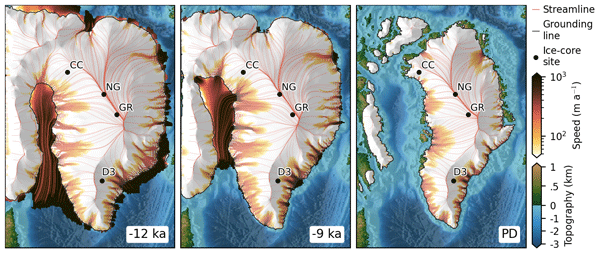
We studied the Holocene (past 11 700 years) to understand how the Greenland Ice Sheet has changed. Using 841 computer simulations, we tested different scenarios and matched them to historical ice elevation data, confirming our model's accuracy. Results show that Greenland's melting has raised sea levels by about 5.3 m since the Holocene began and by around 12 mm in just the past 500 years.

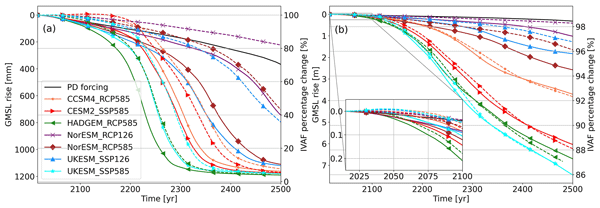

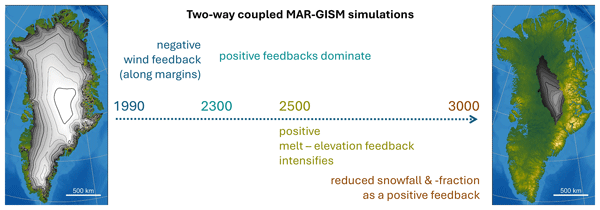
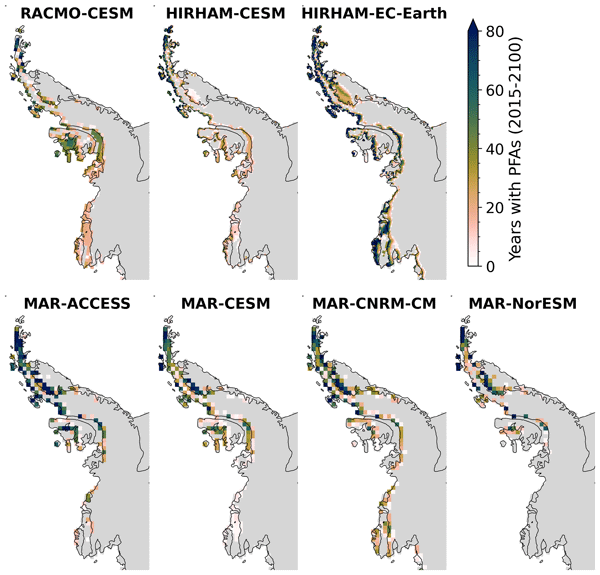
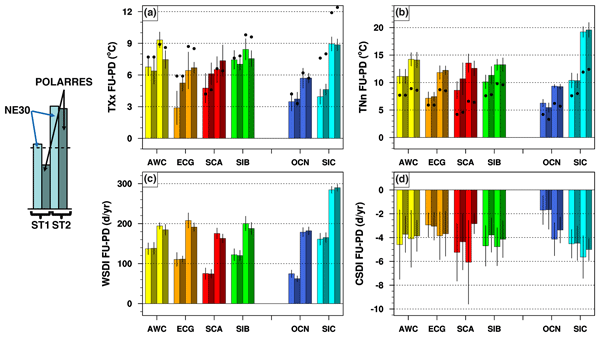
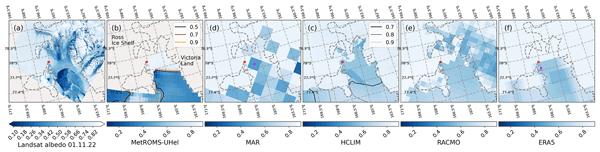
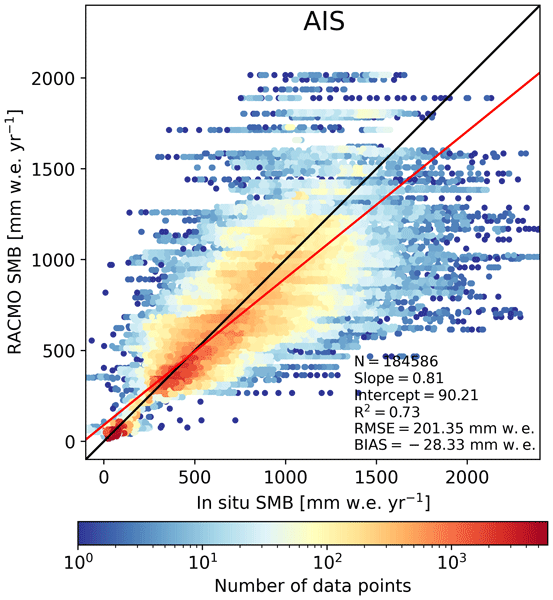
We studied the Holocene (past 11 700 years) to understand how the Greenland Ice Sheet has changed. Using 841 computer simulations, we tested different scenarios and matched them to historical ice elevation data, confirming our model's accuracy. Results show that Greenland's melting has raised sea levels by about 5.3 m since the Holocene began and by around 12 mm in just the past 500 years.
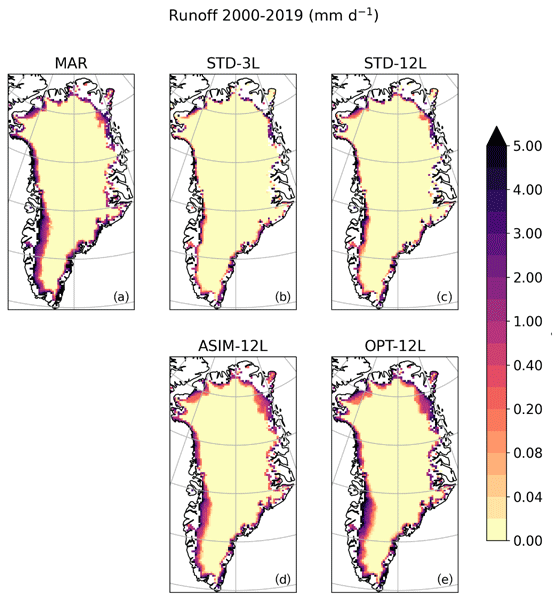
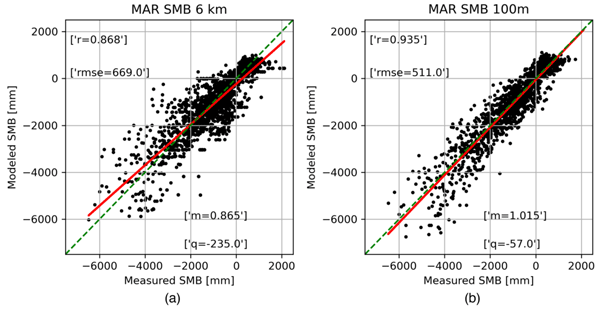
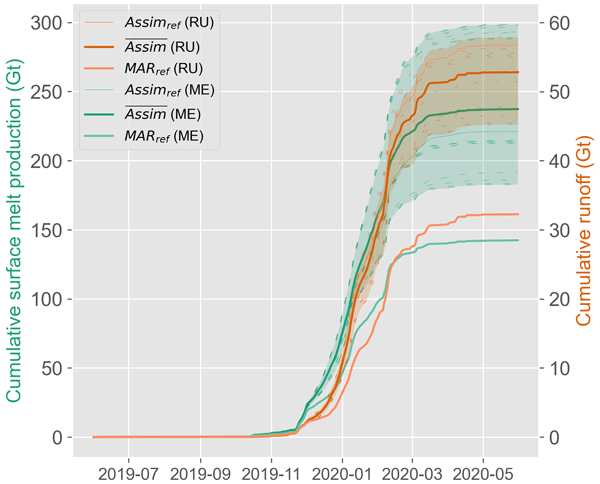
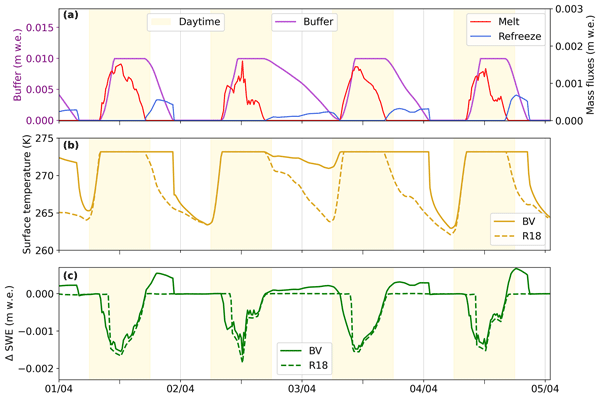
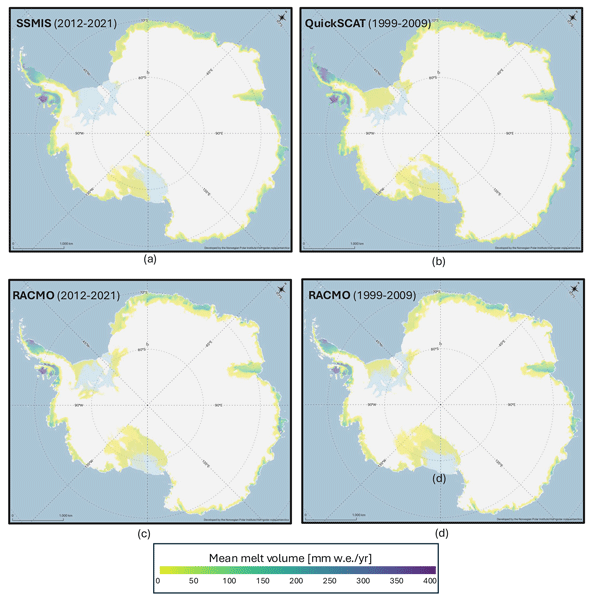
Modèle Atmosphérique Régional(MAR) to the assimilation of wet-snow occurrence estimated by remote sensing datasets. The assimilation is performed by nudging the MAR snowpack temperature. The data assimilation is performed over the Antarctic Peninsula for the 2019–2021 period. The results show an increase in the melt production (+66.7 %) and a decrease in surface mass balance (−4.5 %) of the model for the 2019–2020 melt season.