
Articles | Volume 20, issue 9
https://doi.org/10.5194/tc-20-5181-2026
© Author(s) 2026. This work is distributed under
the Creative Commons Attribution 4.0 License.
the Creative Commons Attribution 4.0 License.
https://doi.org/10.5194/tc-20-5181-2026
© Author(s) 2026. This work is distributed under
the Creative Commons Attribution 4.0 License.
the Creative Commons Attribution 4.0 License.
Research article
| 
16 Sep 2026
Research article |
| 16 Sep 2026
| 16 Sep 2026
Characteristics of glacier surface weathering crust and light-absorbing particles, and their combined impact on glacier albedo at the Potanin Glacier, Mongolia

Graduate School of Environmental Studies, Nagoya University, Nagoya, Japan
Kino Kobayashi
Graduate School of Science and Engineering, Chiba University, Chiba, Japan
now at: Arctic Environment Research Center, National Institute of Polar Research, Tachikawa, Japan
Masato Ono
Center for Ecological Research, Kyoto University, Otsu, Shiga, Japan
now at: Graduate School of Arts and Sciences, University of Tokyo, Meguro, Japan
Sayako Ueda
Graduate School of Environmental Studies, Nagoya University, Nagoya, Japan
Sho Ohata
Institute for Space–Earth Environmental Research, Nagoya University, Nagoya, Japan
now at: Graduate School of Environmental Studies, Nagoya University, Nagoya, Japan
Akira Watanabe
Graduate School of Bioagricultural Sciences, Nagoya University, Nagoya, Japan
Kazuo Osada
Graduate School of Environmental Studies, Nagoya University, Nagoya, Japan
Nozomu Takeuchi
Center for Environmental Remote Sensing, Chiba University, Chiba, Japan
Prevdagva Khalzan
Information and Research Institute of Meteorology, Hydrology and Environment, Ulaanbaatar, Mongolia
Sumito Matoba
Institute of Low Temperature Science, Hokkaido University, Sapporo, Japan
Tomonori Tanikawa
Meteorological Research Institute, Japan Meteorological Agency, Tsukuba, Ibaraki, Japan
Teruo Aoki
Meteorological Research Institute, Japan Meteorological Agency, Tsukuba, Ibaraki, Japan
Related authors
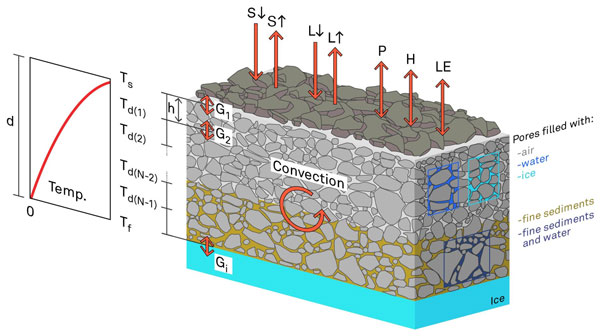
Francesca Pellicciotti, Adrià Fontrodona-Bach, David R. Rounce, Catriona L. Fyffe, Leif S. Anderson, Álvaro Ayala, Ben W. Brock, Pascal Buri, Stefan Fugger, Koji Fujita, Prateek Gantayat, Alexander R. Groos, Walter Immerzeel, Marin Kneib, Christoph Mayer, Shelley MacDonell, Michael McCarthy, James McPhee, Evan Miles, Heather Purdie, Ekaterina Rets, Akiko Sakai, Thomas E. Shaw, Jakob Steiner, Patrick Wagnon, and Alex Winter-Billington
The Cryosphere, 20, 1895–1928, https://doi.org/10.5194/tc-20-1895-2026, https://doi.org/10.5194/tc-20-1895-2026, 2026
Short summary
Short summary
Rock debris covers many of the world glaciers, modifying the transfer of atmospheric energy to the debris and into the ice. Models of different complexity simulate this process, and we compare 15 models at 9 sites to show that the most complex models at the debris-atmosphere interface have the highest performance. However, we lack debris properties and their derivation from measurements is ambiguous, hindering global modelling and calling for both model development and data collection.
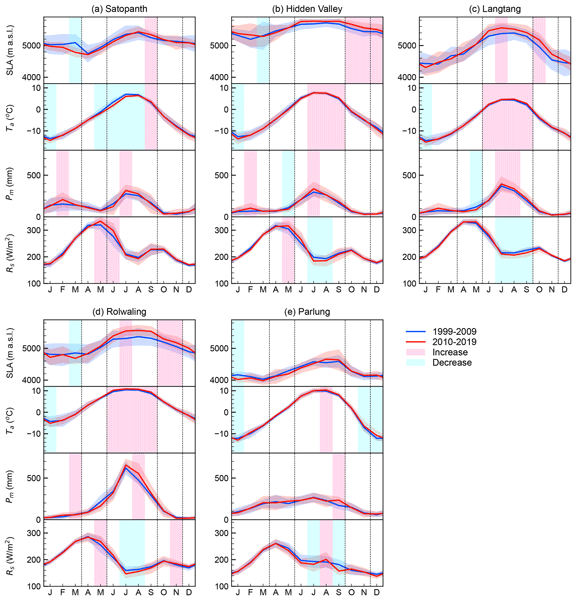
Orie Sasaki, Evan S. Miles, Francesca Pellicciotti, Akiko Sakai, and Koji Fujita
The Cryosphere, 19, 5283–5298, https://doi.org/10.5194/tc-19-5283-2025, https://doi.org/10.5194/tc-19-5283-2025, 2025
Short summary
Short summary
This study adapts a method to detect snowline altitude (SLA) using Google Earth Engine with high-resolution satellite imagery. Applying this method to five glaciated watersheds in the Himalayas reveals regional consistencies and differences in snow dynamics, as well as 20-year trends of snowline increases (3 catchments) and decreases (1) and no trend (1). We investigate the controls of these dynamics by analyzing climatic factors and topographic characteristics.
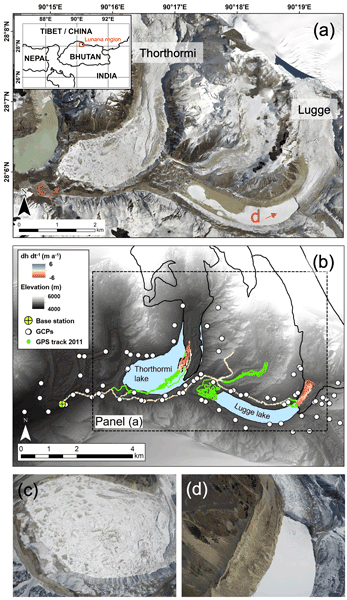
Yota Sato, Koji Fujita, Hiroshi Inoue, Akiko Sakai, and Karma
The Cryosphere, 16, 2643–2654, https://doi.org/10.5194/tc-16-2643-2022, https://doi.org/10.5194/tc-16-2643-2022, 2022
Short summary
Short summary
We investigate fluctuations in Bhutanese lake-terminating glaciers focusing on the dynamics change before and after proglacial lake formation at Thorthormi Glacier (TG) based on photogrammetry, satellite, and GPS surveys. The thinning rate of TG became double compared to before proglacial lake formation, and the flow velocity has also sped up considerably. Those changes would be due to the reduction in longitudinal ice compression by the detachment of the glacier terminus from the end moraine.
Masahiro Hori, Masashi Niwano, Rigen Shimada, and Teruo Aoki
Earth Syst. Sci. Data Discuss., https://doi.org/10.5194/essd-2026-635, https://doi.org/10.5194/essd-2026-635, 2026
Preprint under review for ESSD
Short summary
Short summary
JAXA has developed a global snow cover dataset from satellites covering 1978 to the present. New and earlier observations have been combined to continue the record. Ground data show over 80% snow-detection accuracy, while that of wet-snow detection is about 60–80%. The new data closely match the previous record. Analysis shows that Northern Hemisphere snow cover extent has decreased in all seasons, particularly in western Eurasia, although changes vary by region, highlighting warming’s effects.
Neige Calonne, Pascal Hagenmuller, Rémi Granger, Lisa Bouvet, Kévin Fourteau, Julien Brondex, François Tuzet, Yves Lejeune, Anne Dufour, Mathieu Fructus, Teruo Aoki, and Marie Dumont
Earth Syst. Sci. Data Discuss., https://doi.org/10.5194/essd-2026-718, https://doi.org/10.5194/essd-2026-718, 2026
Preprint under review for ESSD
Short summary
Short summary
We collected weekly measurements of snow microstructural properties over two winters at Col de Porte in the French Alps, a relatively warm alpine site, using complementary techniques including X-ray tomography, the SnowMicroPen, and optical instruments. The dataset captures snowpack evolution at fine vertical resolution and is a valuable resource for snow model evaluation and instrument comparisons. It also provides guidance for future snow monitoring campaigns in warm mountain environments.

Qianzhe Sun, Ruichen Zhou, Sho Ohata, Chiaki Shirota, Tuukka Petäjä, Ilona Jaakkola, Lauri Ahonen, Markku Kulmala, and Michihiro Mochida
Atmos. Chem. Phys., 26, 12813–12836, https://doi.org/10.5194/acp-26-12813-2026, https://doi.org/10.5194/acp-26-12813-2026, 2026
Short summary
Short summary
Source identification of atmospheric aerosols is crucial for understanding their properties and resulting environmental impacts. By mass spectrometry for aerosol samples, organic aerosols in a European boreal forest were apportioned to five source-related types based on chemical structure, highlighting the importance of biomass-originated organics. Polarity-based fractionation advanced source apportionment, which is expected to improve the capability of property analysis for organic aerosols.
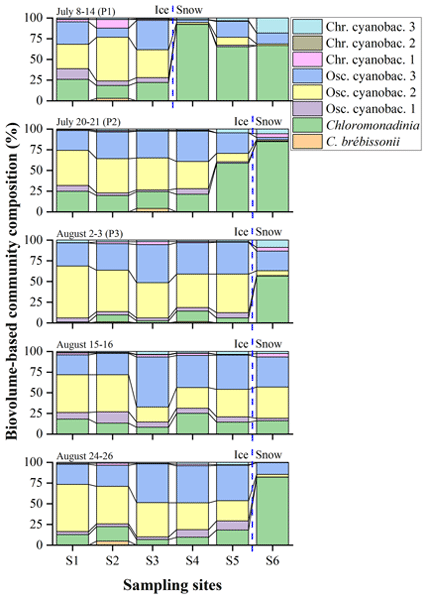
Yunjie Chen, Nozomu Takeuchi, Sota Tanaka, Saifei Li, Weizhen Zhang, Xingyu Huang, and Zhongqin Li
The Cryosphere, 20, 4957–4972, https://doi.org/10.5194/tc-20-4957-2026, https://doi.org/10.5194/tc-20-4957-2026, 2026
Short summary
Short summary
Photosynthetic microbes can darken snow and ice, accelerating glacier melt. While well studied in the Arctic, this process remains poorly understood in dust-rich Central Asian glaciers. We investigated microbial communities on a Tien Shan glacier across a melt season. Snow algae dominated early, but cyanobacteria prevailed once bare ice was exposed. Unlike the Arctic, typical glacier algae were absent, indicating a distinct ecosystem that may influence regional melting and water resources.
Mizuki Hirano, Yoshinori Iizuka, Takuto Ando, Kaoru Kawakami, Mai Matsumoto, Yutaka Kurosaki, Hiroshi Ohno, Sumito Matoba, Shoichi Mori, Yosuke Satoh, and Fumiaki Saito
EGUsphere, https://doi.org/10.5194/egusphere-2026-4810, https://doi.org/10.5194/egusphere-2026-4810, 2026
Short summary
Short summary
Boreal wildfires strongly affect global climate. Scientists track past fires using ice cores, but conventional water-soluble markers can move or degrade in ice. We identified oleamide—a water-insoluble compound—in a Greenland ice core (1799–2020) for the first time. Oleamide forms during intense fire heat (300–500 °C) and stays immobilized in ice. Its peaks match major wildfires in 1908, 1961, and 1994, providing a robust new proxy for reconstructing Arctic fire history.
Saaya Hamamoto, Yoshinori Iizuka, Takuro Aizawa, Kaoru Kawakami, Mai Matsumoto, Sumito Matoba, Hayoung Bong, Kei Yoshimura, Atsushi Okazaki, Laura Jasmin Dietrich, Hans Christian Steen-Larsen, and Ryu Uemura
EGUsphere, https://doi.org/10.5194/egusphere-2026-3602, https://doi.org/10.5194/egusphere-2026-3602, 2026
Short summary
Short summary
We developed a new 150-year age scale for an ice core from southeast Greenland by matching its oxygen-isotope variations with climate-model simulations. The record resolves changes over several months and shows that snowfall remained nearly evenly distributed through the seasons from 1871 to 2020. This stability suggests that the regional balance of atmospheric circulation and moisture transport changed little at this site despite recent Arctic warming.
Kouji Adachi, Nora Bergner, Joanna Alden, Julia Schmale, Sho Ohata, and Yutaka Tobo
EGUsphere, https://doi.org/10.5194/egusphere-2026-3518, https://doi.org/10.5194/egusphere-2026-3518, 2026
Short summary
Short summary
We analyzed aerosol samples collected in southern Greenland within plumes from the Canadian wildfires in 2023 at the individual particle scale. The results show that the wildfire plume samples contained organic material embedding numerous small soot particles and potassium sulfate. In contrast, the background samples were rich in sea salt and sulfate. These findings enhance our understanding of the optical properties and aging processes of wildfire aerosols in the Arctic.
Masato Ono, Kino Kobayashi, Takumi Suzuki, Ryohei Abe, Suzunosuke Usuba, Jun Uetake, and Nozomu Takeuchi
EGUsphere, https://doi.org/10.5194/egusphere-2026-2789, https://doi.org/10.5194/egusphere-2026-2789, 2026
Short summary
Short summary
We studied red snow in Alaska to learn why these blooms vary in their microscopic life. By examining snow using microscopes and genetic analysis, we found that the ground beneath, either glacier ice or soil, dictates which algae grow. Algae on ice were mostly round, while those on soil were larger and had diverse shapes. Factors like snow depth mattered more than nutrients. This proves the underlying surface acts as a reservoir for life, shaping how red snow develops.
Mizuo Kajino, Narihiro Orikasa, Rei Kudo, Atsushi Shimizu, Tomoaki Nishizawa, Yoshitaka Jin, Kazuo Osada, Satoko Kayaba, Tomoki Kajikawa, Rio Ishikawa, and Keiya Yumimoto
EGUsphere, https://doi.org/10.5194/egusphere-2026-1666, https://doi.org/10.5194/egusphere-2026-1666, 2026
Short summary
Short summary
Aerosol size distribution is important for understanding the climate impacts of aerosols; however, it is difficult to validate modeled size distributions. This study introduces a new method that compares physical variables, such as cloud condensation nuclei and light extinction coefficients, derived from size distribution measurements. Using data from Tsukuba, Japan, the method shows that the new model (v2.0) improves predictions of aerosol size distribution by about 17% compared to v1.0.
John Backman, Sho Ohata, Yutaka Kondo, Jonas Svensson, Eija Asmi, Hitoshi Matsui, and Tatsuhiro Mori
EGUsphere, https://doi.org/10.5194/egusphere-2026-2102, https://doi.org/10.5194/egusphere-2026-2102, 2026
Short summary
Short summary
The Arctic climate is affected detrimentally by black carbon (BC). Our unique long-term observational results imply that Arctic BC size distributions do not wary substantially in space nor time although the mass concentration of BC can vary by orders of magnitude. Our findings suggest that, when modeling the climate impacts of BC in the Arctic, it is realistic to consider a BC size distribution with low variability.
Francesca Pellicciotti, Adrià Fontrodona-Bach, David R. Rounce, Catriona L. Fyffe, Leif S. Anderson, Álvaro Ayala, Ben W. Brock, Pascal Buri, Stefan Fugger, Koji Fujita, Prateek Gantayat, Alexander R. Groos, Walter Immerzeel, Marin Kneib, Christoph Mayer, Shelley MacDonell, Michael McCarthy, James McPhee, Evan Miles, Heather Purdie, Ekaterina Rets, Akiko Sakai, Thomas E. Shaw, Jakob Steiner, Patrick Wagnon, and Alex Winter-Billington
The Cryosphere, 20, 1895–1928, https://doi.org/10.5194/tc-20-1895-2026, https://doi.org/10.5194/tc-20-1895-2026, 2026
Short summary
Short summary
Rock debris covers many of the world glaciers, modifying the transfer of atmospheric energy to the debris and into the ice. Models of different complexity simulate this process, and we compare 15 models at 9 sites to show that the most complex models at the debris-atmosphere interface have the highest performance. However, we lack debris properties and their derivation from measurements is ambiguous, hindering global modelling and calling for both model development and data collection.
Sayako Ueda, Akiko Sakai, Sho Ohata, Purevdagva Khalzan, Sumito Matoba, Ken Kondo, and Hitoshi Matsui
Atmos. Chem. Phys., 26, 3167–3184, https://doi.org/10.5194/acp-26-3167-2026, https://doi.org/10.5194/acp-26-3167-2026, 2026
Short summary
Short summary
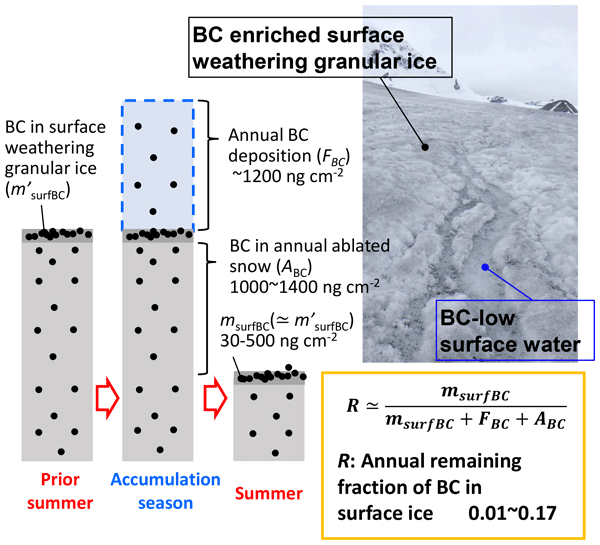
Light-absorbing particles on surface ice in ablation areas can accelerate glacier melting and shrinkage. Snow and ice were collected from the ablation area of Potanin Glacier, Mongolia. The black carbon (BC) mass concentration of surface granular ice was much larger than that of fresh snow and surface melted water, suggesting that BC is retained in the granular ice at melting. The granular ice retained BC particles best in the upstream ablation area, but the capacity decreased in the downstream ablation area.
Yutaka Kurosaki, Sumito Matoba, Mai Matsumoto, Tetsuhide Yamasaki, Ilannguaq Hendriksen, and Yoshinori Iizuka
The Cryosphere, 19, 6171–6186, https://doi.org/10.5194/tc-19-6171-2025, https://doi.org/10.5194/tc-19-6171-2025, 2025
Short summary
Short summary
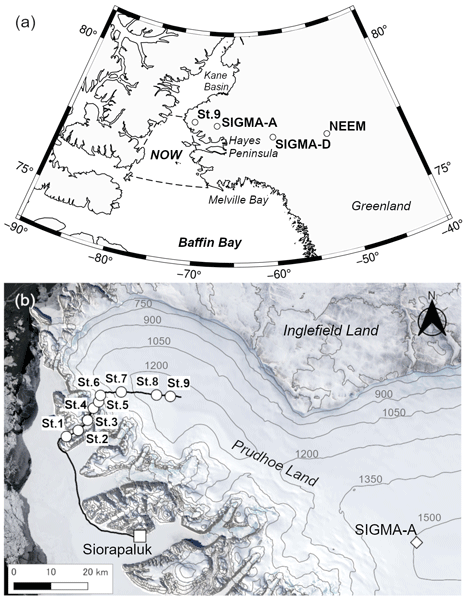
We conducted snow observations on the coastal region in the northwestern Greenland Ice Sheet close to the North Water. The snowpack on the coastal region in the northwestern Greenland Ice Sheet contained aerosols originated from ocean biological activity and frost flowers in the North Water. The chemical substances in an ice core from the coastal region in the northwestern Greenland Ice Sheet could help explain past changes in ocean biological and sea ice conditions in the North Water.
Masato Ono, Kino Kobayashi, Daiki Seto, Fuki Konishi, Kaito Wada, Suzunosuke Usuba, and Nozomu Takeuchi
The Cryosphere, 19, 5983–5999, https://doi.org/10.5194/tc-19-5983-2025, https://doi.org/10.5194/tc-19-5983-2025, 2025
Short summary
Short summary
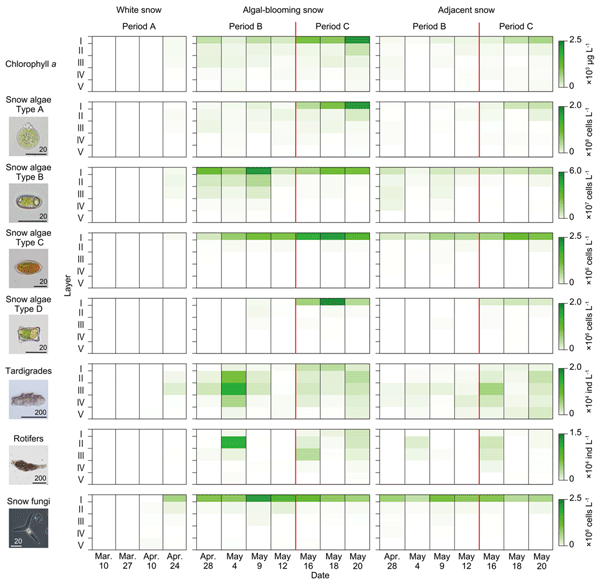
We described the temporal and vertical changes in biological communities, including snow algae, microinvertebrates, and snow fungi, within snowpacks in Northern Japan. Temporal changes in microbial activity, showing clear shifts across three defined periods of the melting season, were regulated by snow depth, temperature increase, and the phenology of trees above the snow surface, highlighting the complex interplay between physical and biological factors in shaping snow ecosystems.
Orie Sasaki, Evan S. Miles, Francesca Pellicciotti, Akiko Sakai, and Koji Fujita
The Cryosphere, 19, 5283–5298, https://doi.org/10.5194/tc-19-5283-2025, https://doi.org/10.5194/tc-19-5283-2025, 2025
Short summary
Short summary
This study adapts a method to detect snowline altitude (SLA) using Google Earth Engine with high-resolution satellite imagery. Applying this method to five glaciated watersheds in the Himalayas reveals regional consistencies and differences in snow dynamics, as well as 20-year trends of snowline increases (3 catchments) and decreases (1) and no trend (1). We investigate the controls of these dynamics by analyzing climatic factors and topographic characteristics.
Kouji Adachi, Atsushi Yoshida, Tatsuhiro Mori, Nobuhiro Moteki, Sho Ohata, Kazuyuki Kita, Yoshimi Kawai, and Makoto Koike
Atmos. Chem. Phys., 25, 12599–12613, https://doi.org/10.5194/acp-25-12599-2025, https://doi.org/10.5194/acp-25-12599-2025, 2025
Short summary
Short summary
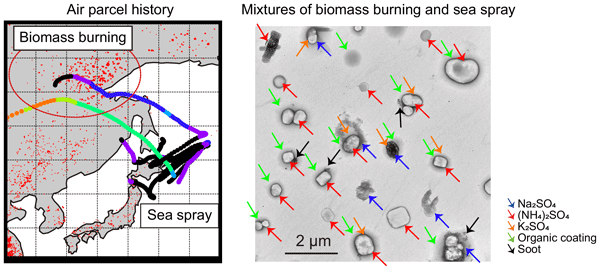
This study measured the compositions and mixing states of individual aerosol particles collected at different altitudes over the western North Pacific by simultaneous sampling from an aircraft and a research vessel. The results showed that they were strongly influenced by Siberian Forest biomass burning and mixed with sea spray, and various aerosol compositions were identified at different altitudes, sizes, and aerosol sources, highlighting a wide range of individual particle compositions.
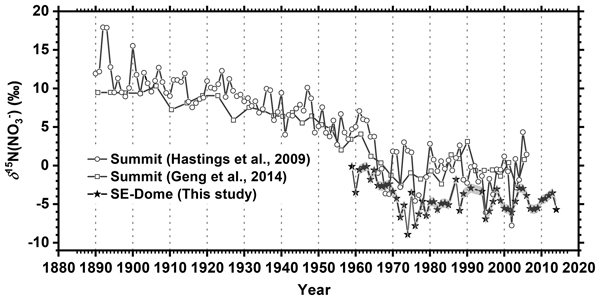
Zhao Wei, Shohei Hattori, Asuka Tsuruta, Zhuang Jiang, Sakiko Ishino, Koji Fujita, Sumito Matoba, Lei Geng, Alexis Lamothe, Ryu Uemura, Naohiro Yoshida, Joel Savarino, and Yoshinori Iizuka
Atmos. Chem. Phys., 25, 5727–5742, https://doi.org/10.5194/acp-25-5727-2025, https://doi.org/10.5194/acp-25-5727-2025, 2025
Short summary
Short summary
Nitrate isotope records in ice cores reveal changes in NOₓ emissions and atmospheric oxidation chemistry driven by human activity. However, UV-driven postdepositional processes can alter nitrate in snow, making snow accumulation rates critical for preserving these records. This study examines nitrate isotopes in a southeastern Greenland ice core, where high snow accumulation minimizes these effects, providing a reliable archive of atmospheric nitrogen cycling.

Kumiko Goto-Azuma, Yoshimi Ogawa-Tsukagawa, Kaori Fukuda, Koji Fujita, Motohiro Hirabayashi, Remi Dallmayr, Jun Ogata, Nobuhiro Moteki, Tatsuhiro Mori, Sho Ohata, Yutaka Kondo, Makoto Koike, Sumito Matoba, Moe Kadota, Akane Tsushima, Naoko Nagatsuka, and Teruo Aoki
Atmos. Chem. Phys., 25, 657–683, https://doi.org/10.5194/acp-25-657-2025, https://doi.org/10.5194/acp-25-657-2025, 2025
Short summary
Short summary
Monthly ice core records spanning 350 years from Greenland show trends in refractory black carbon (rBC) concentrations and sizes. rBC levels have increased since the 1870s due to the inflow of anthropogenic rBC, with larger diameters than those from biomass burning (BB) rBC. High summer BB rBC peaks may reduce the ice sheet albedo, but BB rBC showed no increase until the early 2000s. These results are vital for validating aerosol and climate models.
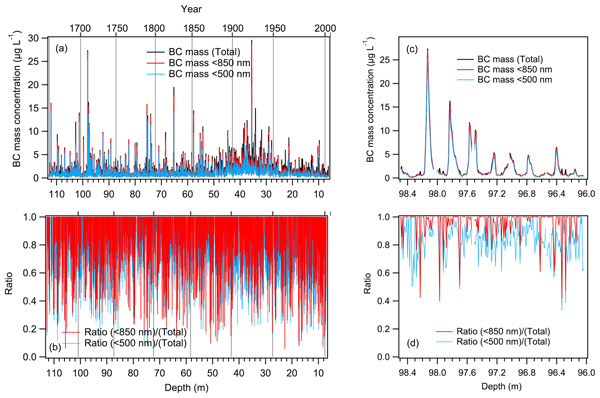
Kumiko Goto-Azuma, Remi Dallmayr, Yoshimi Ogawa-Tsukagawa, Nobuhiro Moteki, Tatsuhiro Mori, Sho Ohata, Yutaka Kondo, Makoto Koike, Motohiro Hirabayashi, Jun Ogata, Kyotaro Kitamura, Kenji Kawamura, Koji Fujita, Sumito Matoba, Naoko Nagatsuka, Akane Tsushima, Kaori Fukuda, and Teruo Aoki
Atmos. Chem. Phys., 24, 12985–13000, https://doi.org/10.5194/acp-24-12985-2024, https://doi.org/10.5194/acp-24-12985-2024, 2024
Short summary
Short summary
We developed a continuous flow analysis system to analyze an ice core from northwestern Greenland and coupled it with an improved refractory black carbon (rBC) measurement technique. This allowed accurate high-resolution analyses of size distributions and concentrations of rBC particles with diameters of 70 nm–4 μm for the past 350 years. Our results provide crucial insights into rBC's climatic effects. We also found previous ice core studies substantially underestimated rBC mass concentrations.
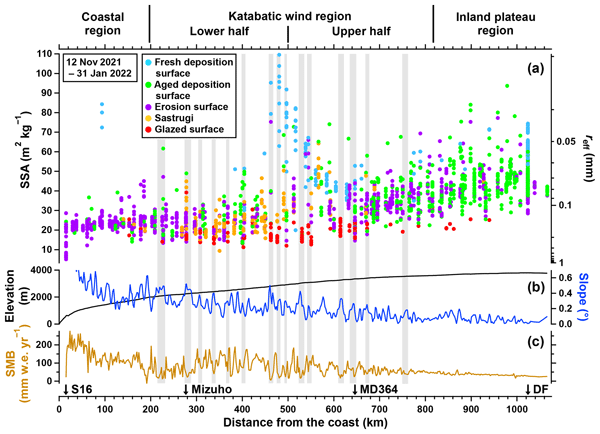
Ryo Inoue, Teruo Aoki, Shuji Fujita, Shun Tsutaki, Hideaki Motoyama, Fumio Nakazawa, and Kenji Kawamura
The Cryosphere, 18, 3513–3531, https://doi.org/10.5194/tc-18-3513-2024, https://doi.org/10.5194/tc-18-3513-2024, 2024
Short summary
Short summary
We measured the snow specific surface area (SSA) at ~2150 surfaces between the coast near Syowa Station and Dome Fuji, East Antarctica, in summer 2021–2022. The observed SSA shows no elevation dependence between 15 and 500 km from the coast and increases toward the dome area beyond the range. SSA varies depending on surface morphologies and meteorological events. The spatial variation of SSA can be explained by snow metamorphism, snowfall frequency, and wind-driven inhibition of snow deposition.
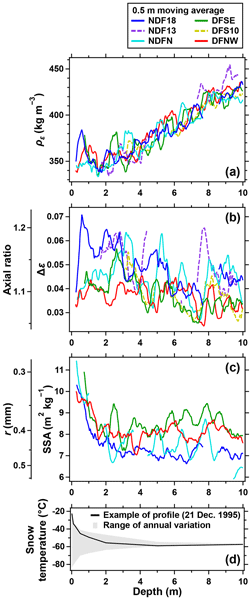
Ryo Inoue, Shuji Fujita, Kenji Kawamura, Ikumi Oyabu, Fumio Nakazawa, Hideaki Motoyama, and Teruo Aoki
The Cryosphere, 18, 425–449, https://doi.org/10.5194/tc-18-425-2024, https://doi.org/10.5194/tc-18-425-2024, 2024
Short summary
Short summary
We measured the density, microstructural anisotropy, and specific surface area (SSA) of six firn cores collected within 60 km of Dome Fuji, Antarctica. We found a lack of significant density increase, development of vertically elongated microstructures, and a rapid decrease in SSA in the top few meters due to the metamorphism driven by water vapor transport under a temperature gradient. We highlight the significant spatial variability in the properties, which depends on the accumulation rate.
Motoshi Nishimura, Teruo Aoki, Masashi Niwano, Sumito Matoba, Tomonori Tanikawa, Tetsuhide Yamasaki, Satoru Yamaguchi, and Koji Fujita
Earth Syst. Sci. Data, 15, 5207–5226, https://doi.org/10.5194/essd-15-5207-2023, https://doi.org/10.5194/essd-15-5207-2023, 2023
Short summary
Short summary
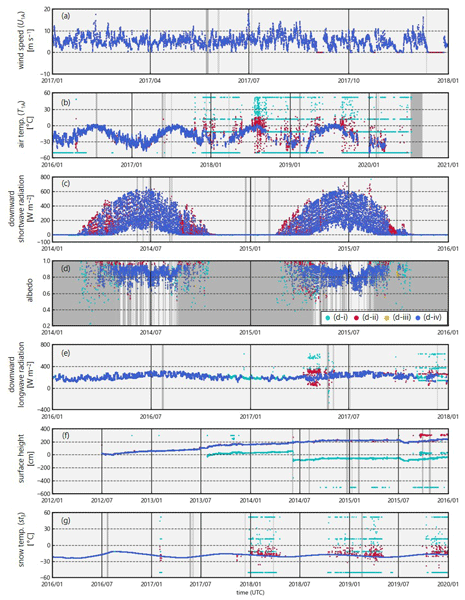
We presented the method of data quality checks and the dataset for two ground weather observations in northwest Greenland. We found that the warm and clear weather conditions in the 2015, 2019, and 2020 summers caused the snowmelt and the decline in surface reflectance of solar radiation at a low-elevated site (SIGMA-B; 944 m), but those were not seen at the high-elevated site (SIGMA-A; 1490 m). We hope that our data management method and findings will help climate scientists.
Sayako Ueda, Yoko Iwamoto, Fumikazu Taketani, Mingxu Liu, and Hitoshi Matsui
Atmos. Chem. Phys., 23, 10117–10135, https://doi.org/10.5194/acp-23-10117-2023, https://doi.org/10.5194/acp-23-10117-2023, 2023
Short summary
Short summary
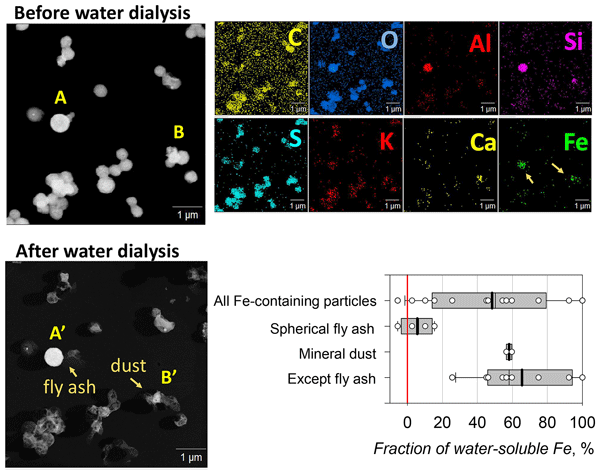
We examine iron in atmospheric fine aerosol particles collected over the Indian Ocean during shipborne observations in November 2018. Transmission electron microscopy analysis with water dialysis shows that various types of iron (fly ash, iron oxide, and mineral dust) co-exist with ammonium sulfate and that their solubility differs depending on the iron type. Using PM2.5 bulk samples and global model simulations, we elucidate their origins, aging, and implications for present iron simulations.
Yukihiko Onuma, Koji Fujita, Nozomu Takeuchi, Masashi Niwano, and Teruo Aoki
The Cryosphere, 17, 3309–3328, https://doi.org/10.5194/tc-17-3309-2023, https://doi.org/10.5194/tc-17-3309-2023, 2023
Short summary
Short summary
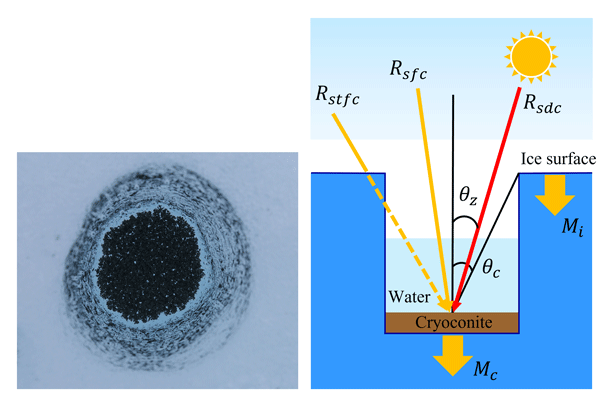
We established a novel model that simulates the temporal changes in cryoconite hole (CH) depth using heat budgets calculated independently at the ice surface and CH bottom based on hole shape geometry. The simulations suggest that CH depth is governed by the balance between the intensity of the diffuse component of downward shortwave radiation and the wind speed. The meteorological conditions may be important factors contributing to the recent ice surface darkening via the redistribution of CHs.
Franz Martin Schnaiter, Claudia Linke, Eija Asmi, Henri Servomaa, Antti-Pekka Hyvärinen, Sho Ohata, Yutaka Kondo, and Emma Järvinen
Atmos. Meas. Tech., 16, 2753–2769, https://doi.org/10.5194/amt-16-2753-2023, https://doi.org/10.5194/amt-16-2753-2023, 2023
Short summary
Short summary
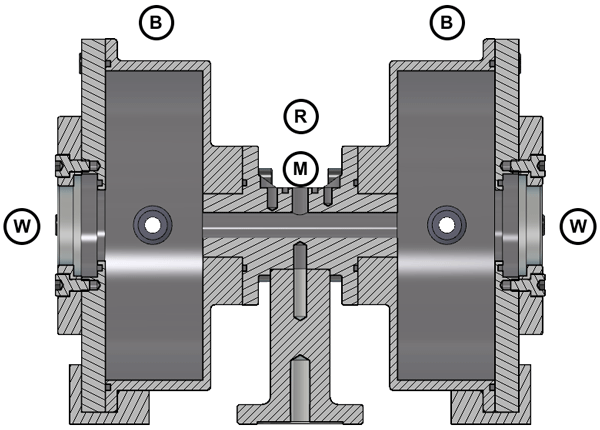
Light-absorbing particles from combustion processes are important contributors to climate warming. Their highly variable spectral light absorption properties need to be monitored in the field. Commonly used methods show measurement artefacts that are difficult to correct. We introduce a new instrument that is based on the photoacoustic effect. Long-term operation in the Finnish Arctic demonstrates the applicability of the new instrument for unattended light absorption monitoring.
Hitoshi Matsui, Tatsuhiro Mori, Sho Ohata, Nobuhiro Moteki, Naga Oshima, Kumiko Goto-Azuma, Makoto Koike, and Yutaka Kondo
Atmos. Chem. Phys., 22, 8989–9009, https://doi.org/10.5194/acp-22-8989-2022, https://doi.org/10.5194/acp-22-8989-2022, 2022
Short summary
Short summary
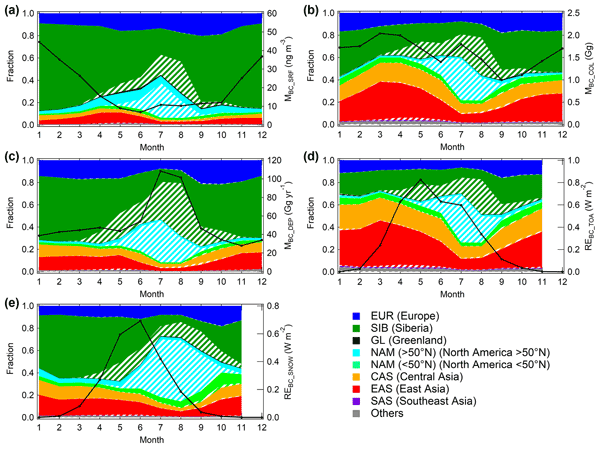
Using a global aerosol model, we find that the source contributions to radiative effects of black carbon (BC) in the Arctic are quite different from those to mass concentrations and deposition flux of BC in the Arctic. This is because microphysical properties (e.g., mixing state), altitudes, and seasonal variations of BC in the atmosphere differ among emissions sources. These differences need to be considered for accurate simulations of Arctic BC and its source contributions and climate impacts.
Yota Sato, Koji Fujita, Hiroshi Inoue, Akiko Sakai, and Karma
The Cryosphere, 16, 2643–2654, https://doi.org/10.5194/tc-16-2643-2022, https://doi.org/10.5194/tc-16-2643-2022, 2022
Short summary
Short summary
We investigate fluctuations in Bhutanese lake-terminating glaciers focusing on the dynamics change before and after proglacial lake formation at Thorthormi Glacier (TG) based on photogrammetry, satellite, and GPS surveys. The thinning rate of TG became double compared to before proglacial lake formation, and the flow velocity has also sped up considerably. Those changes would be due to the reduction in longitudinal ice compression by the detachment of the glacier terminus from the end moraine.
Yange Deng, Hiroaki Fujinari, Hikari Yai, Kojiro Shimada, Yuzo Miyazaki, Eri Tachibana, Dhananjay K. Deshmukh, Kimitaka Kawamura, Tomoki Nakayama, Shiori Tatsuta, Mingfu Cai, Hanbing Xu, Fei Li, Haobo Tan, Sho Ohata, Yutaka Kondo, Akinori Takami, Shiro Hatakeyama, and Michihiro Mochida
Atmos. Chem. Phys., 22, 5515–5533, https://doi.org/10.5194/acp-22-5515-2022, https://doi.org/10.5194/acp-22-5515-2022, 2022
Short summary
Short summary
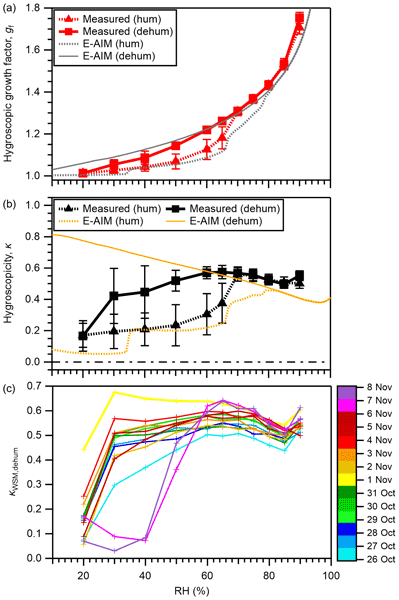
Offline analyses of the hygroscopicity and composition of atmospheric aerosols are complementary to online analyses in view of the applicability to broader sizes, specific compound groups, and investigations at remote sites. This offline study characterized the composition of water-soluble matter in aerosols and their humidity-dependent hygroscopicity on Okinawa, a receptor site of East Asian outflow. Further, comparison with online analyses showed the appropriateness of the offline method.
Rupert Holzinger, Oliver Eppers, Kouji Adachi, Heiko Bozem, Markus Hartmann, Andreas Herber, Makoto Koike, Dylan B. Millet, Nobuhiro Moteki, Sho Ohata, Frank Stratmann, and Atsushi Yoshida
Atmos. Chem. Phys. Discuss., https://doi.org/10.5194/acp-2022-95, https://doi.org/10.5194/acp-2022-95, 2022
Revised manuscript not accepted
Short summary
Short summary
In spring 2018 the research aircraft Polar 5 conducted flights in the Arctic atmosphere. The flight operation was from Station Nord in Greenland, 1700 km north of the Arctic Circle (81°43'N, 17°47'W). Using a mass spectrometer we measured more than 100 organic compounds in the air. We found a clear signature of natural organic compounds that are transported from forests to the high Arctic. These compounds have the potential to change the cloud cover and energy budget of the Arctic region.
Sho Ohata, Makoto Koike, Atsushi Yoshida, Nobuhiro Moteki, Kouji Adachi, Naga Oshima, Hitoshi Matsui, Oliver Eppers, Heiko Bozem, Marco Zanatta, and Andreas B. Herber
Atmos. Chem. Phys., 21, 15861–15881, https://doi.org/10.5194/acp-21-15861-2021, https://doi.org/10.5194/acp-21-15861-2021, 2021
Short summary
Short summary
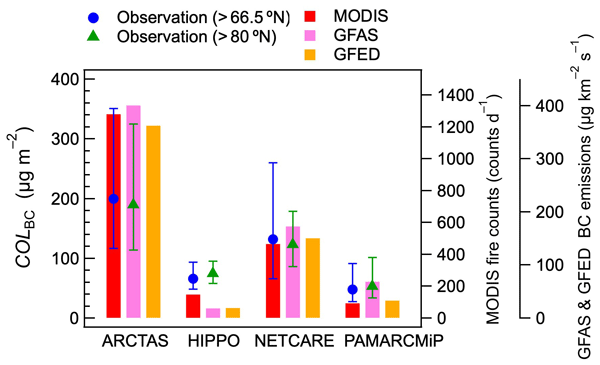
Vertical profiles of black carbon (BC) in the Arctic were measured during the PAMARCMiP aircraft-based experiment in spring 2018 and compared with those observed during previous aircraft campaigns in 2008, 2010, and 2015. Their differences were explained primarily by the year-to-year variation of biomass burning activities in northern midlatitudes over Eurasia. Our observations provide a bases to evaluate numerical model simulations that assess the BC radiative effects in the Arctic spring.
Cited articles
Anesio, A. M., Lutz, S., Chrismas, N. A. M., and Bennning, L. G.: The microbiome of glaciers and ice sheets, npj Biofilms Microbiomes, 3, 10, https://doi.org/10.1038/s41522-017-0019-0, 2017.
Antony, R., Rossel, P. E., Feord, H. K., Dittmar, T., Tranter, M., Anesio, A. M., and Benning, L. G.: Extraction strategies for profiling the molecular composition of particulate organic matter on glacier surfaces, Environ. Sci. Technol., 59, 4455–4468, https://doi.org/10.1021/acs.est.4c10088, 2025.
Aoki, T., Fukabori, M., Hachikubo, A., Tachibana, Y., and Nishio, F.: Effects of snow physical parameters on spectral albedo and bidirectional reflectance of snow surface, J. Geophys. Res., 105, 10219– 10236, https://doi.org/10.1029/1999JD901122, 2000.
Aoki, T., Hachikubo, A., and Hori, M.: Effects of snow physical parameters on shortwave broadband albedos, J. Geophys. Res., 108, 4616, https://doi.org/10.1029/2003JD003506, 2003.
Aoki, T., Kuchiki, K., Niwano, M., Kodama, Y., Hosaka, M., and Tanaka, T.: Physically based snow albedo model for calculating broadband albedos and the solar heating profile in snowpack for general circulation models, J. Geophys. Res., 116, D11114, https://doi.org/10.1029/2010JD015507, 2011.
Braithwaite, R. J.: Positive degree-day factors for ablation on the Greenland ice sheet studied by energy-balance modelling, J. Glaciol., 41, 153–160, https://doi.org/10.3189/S0022143000017846, 1995.
Chen, Y., Takeuchi, N., Wang, F., and Li, Z.: Characteristics of chemical solutes and mineral dust in ice of the ablation area of a glacier in the Tien Shan Mountains, Central Asia, Front. Earth Sci., 10, 904261, https://doi.org/10.3389/feart.2022.904261, 2022.
Christner, B. C., Lavender, H. F., Davis, C. L., Oliver, E. E., Neuhaus, S. U., Myers, K. F., Hagedorn, B., Tulaczyk, S. M., Doran, P. T., and Stone, W. C.: Microbial processes in the weathering crust aquifer of a temperate glacier, The Cryosphere, 12, 3653–3669, https://doi.org/10.5194/tc-12-3653-2018, 2018.
Cook, J. M., Hodson, A. J., and Irvine-Fynn, T. D. L.: Supraglacial weathering crust dynamics inferred from cryoconite hole hydrology, Hydrol. Process., 30, 433–446, https://doi.org/10.1002/hyp.10602, 2016.
Cook, J. M., Hodson, A. J., Gardner, A. S., Flanner, M., Tedstone, A. J., Williamson, C., Irvine-Fynn, T. D. L., Nilsson, J., Bryant, R., and Tranter, M.: Quantifying bioalbedo: a new physically based model and discussion of empirical methods for characterising biological influence on ice and snow albedo, The Cryosphere, 11, 2611–2632, https://doi.org/10.5194/tc-11-2611-2017, 2017a.
Cook, J. M., Hodson, A. J., Taggart, A. J., Mernild, S. H., and Tranter, M.: A predictive model for the spectral “bioalbedo” of snow, J. Geophys. Res.-Earth, 122, 434–454, https://doi.org/10.1002/2016JF003932, 2017b.
Cooper, M. G., Smith, L. C., Rennermalm, A. K., Miège, C., Pitcher, L. H., Ryan, J. C., Yang, K., and Cooley, S. W.: Meltwater storage in low-density near-surface bare ice in the Greenland ice sheet ablation zone, The Cryosphere, 12, 955–970, https://doi.org/10.5194/tc-12-955-2018, 2018.
Dean, W. E.: Determination of carbonate and organic matter in calcareous sediments and sedimentary rocks by loss on ignition; comparison with other methods, J. Sediment. Res., 44, 242–248, 1974.
Di Mauro, B. and Fugazza, D.: Pan-Alpine glacier phenology reveals lowering albedo and increase in ablation season length, Remote Sens. Environ., 279, 113119, https://doi.org/10.1016/j.rse.2022.113119, 2022.
Dumont, M., Arnaud, L., Picard, G., Libois, Q., Lejeune, Y., Nabat, P., Voisin, D., and Morin, S.: In situ continuous visible and near-infrared spectroscopy of an alpine snowpack, The Cryosphere, 11, 1091–1110, https://doi.org/10.5194/tc-11-1091-2017, 2017.
Flanner, M. G. and Zender, C. S.: Linking snowpack microphysics and albedo evolution, J. Geophys. Res., 111, D12208, https://doi.org/10.1029/2005JD006834, 2006.
Flanner, M. G., Arnheim, J. B., Cook, J. M., Dang, C., He, C., Huang, X., Singh, D., Skiles, S. M., Whicker, C. A., and Zender, C. S.: SNICAR-ADv3: a community tool for modeling spectral snow albedo, Geosci. Model Dev., 14, 7673–7704, https://doi.org/10.5194/gmd-14-7673-2021, 2021.
Flanner, M. G., Zender, C. S., Randerson, J. T., and Rasch, P. J.: Present-day climate forcing and response from black carbon in snow, J. Geophys. Res., 112, D11202, https://doi.org/10.1029/2006JD008003, 2007.
Greuell, W. and Smeets, P.: Variations with elevation in the surface energy balance on the Pasterze (Austria), J. Geophys. Res., 106, 31717–31727, 2001.
Halbach, L., Chevrollier, L. A., Doting, E. L., Fahrner, S., Langford, H., McCutcheon, J., Pearce, D. A., Rassner, S. M. E., and Edwards, A.: Pigment signatures of algal communities and their implications for glacier surface darkening, Sci. Rep., 12, 17643, https://doi.org/10.1038/s41598-022-22271-4, 2022.
Hartl, L., Felbauer, L., Schwaizer, G., and Fischer, A.: Small-scale spatial variability in bare-ice reflectance at Jamtalferner, Austria, The Cryosphere, 14, 4063–4081, https://doi.org/10.5194/tc-14-4063-2020, 2020.
Hugonnet, R., McNabb, R., Berthier, E., Menounos, B., Nuth, C., Girod, L., Farinotti, D., Huss, M., Dussaillant, I., Brun, F., and Kääb, A.: Accelerated global glacier mass loss in the early twenty-first century, Nature, 592, 726–731, https://doi.org/10.1038/s41586-021-03436-z, 2021.
Ikeya, K. and Watanabe, A.: Direct expression of an index for the degree of humification of humic acids using organic carbon concentration, Soil Sci. Plant Nutr., 49, 47–53, https://doi.org/10.1080/00380768.2003.10409978, 2003.
Ikeya, K., Sleighter, R. L., Hatcher, P. G., and Watanabe, A.: Fourier transform ion cyclotron resonance mass spectrometric analysis of the green fraction of soil humic acids, Rapid. Commun. Mass Sp., 27, 2559–2568, https://doi.org/10.1002/rcm.6718, 2013.
Ikeya, K., Maie, N., Han, X., Wang, G., and Watanabe, A.: Comparison of carbon skeletal structures in black humic acids from different soil origins, Soil Sci. Plant Nutr., 65, 109–113, https://doi.org/10.1080/00380768.2019.1584016, 2019.
Irvine-Fynn, T. D., Cook, J. M., Edwards, A., Mowlem, M. C., Hodson, A. J., and Tranter, M.: Storage and export of microbial biomass across the western Greenland ice sheet, Nat. Commun., 12, 3960, https://doi.org/10.1038/s41467-021-24040-9, 2021.
Khalzan, P., Sakai, A., and Fujita, K.: Mass balance of four Mongolian glaciers: In-situ measurements, long-term reconstruction and sensitivity analysis, Front. Earth Sci., 9, 785306, https://doi.org/10.3389/feart.2021.785306, 2022.
Khalzan, P., Sadyrov, S., Sakai, A., Tanaka, K., and Fujita, K.: Glacier meltwater contribution to river runoff in Western Mongolia, J. Hydrol.-Regional Studies, 59, 102375, https://doi.org/10.1016/j.ejrh.2025.102375, 2025.
Kumada, K., Watanabe, A., Uchida, Y., and Saigusa, M.: Studies on the humus composition of Japanese soils, Soil Sci. Plant Nutr., 13, 1–8, 1967.
Kuwatsuka, S., Watanabe, A., Itoh, K., and Arai, S.: Comparison of two methods of preparation of humic and fulvic acids, IHSS method and NAGOYA method, Soil Sci. Plant Nutr., 38, 23–30, https://doi.org/10.1080/00380768.1992.10416948, 1992.
Langford, H., Hodson, A., Banwart, S., and Bøggild, C.: The microstructure and biogeochemistry of Arctic cryoconite granules, Ann. Glaciol., 51, 87–94, https://doi.org/10.3189/172756411795932083, 2010.
Leifeld, J.: Thermal stability of black carbon characterised by oxidative differential scanning calorimetry, Org. Geochem., 38, 112–127, https://doi.org/10.1016/j.orggeochem.2006.08.004, 2007.
Li, X., Kang, S., He, X., Qu, B., Tripathee, L., Jing, Z., Paudyal, R., Li, Y., Zhang, Y., Yan, F., Li, G., and Li, C.: Light-absorbing impurities accelerate glacier melt in the central Tibetan Plateau, Sci. Total Environ., 587–588, 310–319, 2017.
McCutcheon, J., Lutz, S., Williamson, C., Cook, J. M., Tedstone, A. J., Vanderstraeten, A., Wilson, S. A., Stockdale, A., Bonneville, S., McQuaid, J. B., Tranter, M., Hawkings, J., Wadham, J., and Irvine-Fynn, T.: Mineral phosphorus drives glacier algal blooms on the Greenland Ice Sheet, Nat. Commun., 12, 570, https://doi.org/10.1038/s41467-020-20627-w, 2021.
Mori, T., Moteki, N., Ohata, S., Koike, M., Goto-Azuma, K., Miyazaki, Y., and Kondo, Y.: Improved technique for measuring the size distribution of black carbon particles in liquid water, Aerosol Sci. Tech., 50, 242–254, https://doi.org/10.1080/02786826.2016.1147644, 2016.
Moteki, N., Kondo, Y., and Nakamura, S.: Method to measure refractive indices of small nonspherical particles: application to black carbon particles, J. Aerosol Sci., 41, 513–521, https://doi.org/10.1016/j.jaerosci.2010.02.013, 2010.
Naegeli, K. and Huss, M.: Sensitivity of mountain glacier mass balance to changes in bare-ice albedo, Ann. Glaciol., 58, 119–129, https://doi.org/10.1017/aog.2017.25, 2017.
Nagatsuka, N., Takeuchi, N., Nakano, T., Kokado, E., and Li, Z.: Sr, Nd and Pb stable isotopes of surface dust on Ürümqi glacier No. 1 in western China, Ann. Glaciol., 51, 95–105, https://doi.org/10.3189/172756411795931895, 2010.
Nagatsuka, N., Takeuchi, N., Uetake, J., Shimada, R.: Mineralogical composition of cryoconite on glaciers in northwest Greenland, Bull. Glaciol. Res., 32, 107–114, https://doi.org/10.5331/bgr.32.107, 2014.
Onuma, Y., Takeuchi, N., Tanaka, S., Nagatsuka, N., Niwano, M., and Aoki, T.: Physically based model of the contribution of red snow algal cells to temporal changes in albedo in northwest Greenland, The Cryosphere, 14, 2087–2101, https://doi.org/10.5194/tc-14-2087-2020, 2020.
Oerlemans, J. and Knap, W. H.: A 1 year record of global radiation and albedo in the ablation zone of Morteratschgletscher, Switzerland, J. Glaciol., 44, 231–238, https://doi.org/10.3189/S0022143000002574, 1998.
Painter, T. H., Duval, B., and Thomas, W. H.: Detection and quantification of snow algae with an airborne imaging spectrometer, Appl. Environ. Microb., 67, 5267–5272, https://doi.org/10.1128/AEM.67.11.5267-5272.2001, 2001.
Pan, C. G., Pope, A., Kamp, U., Dashtseren, A., Walther, M., and Syromyatina, M. V.: Glacier recession in the Altai Mountains of Mongolia in 1990–2016, Geogr. Ann. A, 100, 1–19, https://doi.org/10.1080/04353676.2017.1407560, 2017.
Pan, C. G., Kamp, U., Munkhjargal, M., Halvorson, S. J., Dashtseren, A., and Walther, M.: An estimated contribution of glacier runoff to Mongolia's Upper Khovd River Basin in the Altai Mountains, Mt. Res. Dev., 39, 12–20, https://doi.org/10.1659/MRD-JOURNAL-D-18-00059.1, 2019.
Pellicciotti, F., Brock, B., Strasser, U., Burlando, P., Funk, M., and Corripio, J.: An enhanced temperature-index glacier melt model including the shortwave radiation balance: development and testing for Haut Glacier d'Arolla, Switzerland, J. Glaciol., 51, 573–587, https://doi.org/10.3189/172756505781829124, 2005.
Picard, G. and Libois, Q.: Simulation of snow albedo and solar irradiance profile with the Two-streAm Radiative TransfEr in Snow (TARTES) v2.0 model, Geosci. Model Dev., 17, 8927–8953, https://doi.org/10.5194/gmd-17-8927-2024, 2024.
Sakai, A.: Ice albedo and its relationship with light-absorbing impurities and weathering crust at the Potanin Glacier, Mongolia, Zenodo [data set], https://doi.org/10.5281/zenodo.18437674, 2026.
Sinha, P. R., Kondo, Y., Goto-Azuma, K., Tsukagawa, Y., Fukuda, K., Koike, M., Mori, T., Oshima, N., Førland, E. J., Irwin, M., Gallet, J.-C., and Pedersen, C. A.: Seasonal progression of the deposition of black carbon by snowfall at Ny-Ålesund, Spitsbergen, J. Geophys. Res.-Atmos., 123, 997–1016, https://doi.org/10.1002/2017JD028027, 2018.
Skiles, S. M. and Painter, T. H.: Daily evolution in dust and black carbon content, snow grain size, and snow albedo during snowmelt, Rocky Mountains, Colorado, J. Glaciol., 63, 118–132, https://doi.org/10.1017/jog.2016.125, 2017.
Takeuchi, N. and Li, Z.: Characteristics of surface dust on Ürümqi Glacier No. 1 in the Tien Shan Mountains, China, Arct. Antarct. Alp. Res., 40, 744–750, https://doi.org/10.1657/1523-0430(07-094)[TAKEUCHI]2.0.CO;2, 2008.
Takeuchi, N., Kohshima, S., and Seko, K.: Structure, formation, and darkening process of albedo reducing material (cryoconite) on a Himalayan glacier: a granular algal mat growing on the glacier, Arct. Antarct. Alp. Res., 33, 115–122, https://doi.org/10.2307/1552211, 2001.
Takeuchi, N., Matsuda, Y., Sakai, A., and Fujita, K.: A large amount of biogenic surface dust (cryoconite) on a glacier in the Qilian Mountains, China, Bull. Glaciol. Res., 22, 1–8, 2005.
Takeuchi, N., Fujisawa, Y., Kadota, T., Tanaka, S., Miyairi, M., Shirakawa, T., Kusaka, R., Fedorov, A. N., Konstantinov, P., and Ohata, T.: The effect of impurities on the surface melt of a glacier in the Suntar-Khayata mountain range, Russian Siberia, Front. Earth Sci., 3, 82, https://doi.org/10.3389/feart.2015.00082, 2015.
Tedstone, A. J., Cook, J. M., Williamson, C. J., Hofer, S., McCutcheon, J., Irvine-Fynn, T., Gribbin, T., and Tranter, M.: Algal growth and weathering crust state drive variability in western Greenland Ice Sheet ice albedo, The Cryosphere, 14, 521–538, https://doi.org/10.5194/tc-14-521-2020, 2020.
The GlaMBIE Team: Community estimate of global glacier mass changes from 2000 to 2023, Nature, 639, 382–388, https://doi.org/10.1038/s41586-024-08545-z, 2025.
Traversa, G. and Di Mauro, B.: Weathering crust formation outpaces melt-albedo feedback on blue ice shelves of East Antarctica, Commun. Earth Environ., 5, 740, https://doi.org/10.1038/s43247-024-01896-5, 2024.
Ueda, S., Ohata, S., Iizuka, Y., Seki, O., Matoba, S., Matsui, H., Koike, M., and Kondo, Y.: Evaluation of sample storage methods for single particle analyses of black carbon in snow and ice: Merits and risks of glass and plastic vials for melted sample storage, Aerosol Sci. Tech., 60, 5–20, https://doi.org/10.1080/02786826.2025.2542900, 2026a.
Ueda, S., Sakai, A., Ohata, S., Khalzan, P., Matoba, S., Kondo, K., and Matsui, H.: Concentration and size distribution of black carbon over the ablation area of Potanin glacier: enrichment ability of surface weathering granular ice of water-insoluble particles with snow/ice melting, Atmos. Chem. Phys., 26, 3167–3184,https://doi.org/10.5194/acp-26-3167-2026, 2026b.
Uetake, J., Tanaka, S., Segawa, T., Takeuchi, N., Nagatsuka, N., Motoyama, H., and Aoki, T.: Microbial community variation in cryoconite granules on Qaanaaq Glacier, NW Greenland, FEMS Microbiol. Ecol., 92, fiw127, https://doi.org/10.1093/femsec/fiw127, 2016.
Watanabe, A. and Kuwatsuka, S.: Triangular diagram for humus composition in various types of soils, Soil Sci. Plant Nutr., 49, 167–170, 1991.
Watanabe, A., Kawasaki, S., Kitamura, S., and Yoshida, S.: Temporal changes in humic acids in cultivated soils with continuous manure application, Soil Sci. Plant Nutr., 53, 535–544, https://doi.org/10.1111/j.1747-0765.2007.00170.x, 2007.
Warren, S. G.: Optical properties of snow, Rev. Geophys., 20, 67–89, https://doi.org/10.1029/RG020i001p00067, 1982.
Warren, S. G. and Wiscombe, W. J.: A model for the spectral albedo of snow. II: Snow containing atmospheric aerosols, J. Atmos. Sci., 37, 2734–2745, 1980.
Whicker, C. A., Flanner, M. G., Dang, C., Zender, C. S., Cook, J. M., and Gardner, A. S.: SNICAR-ADv4: a physically based radiative transfer model to represent the spectral albedo of glacier ice, The Cryosphere, 16, 1197–1220, https://doi.org/10.5194/tc-16-1197-2022, 2022.
Woods, T. and Hewitt, I. J.: A model of the weathering crust and microbial activity on an ice-sheet surface, The Cryosphere, 17, 1967–1987, https://doi.org/10.5194/tc-17-1967-2023, 2023.
Yue, X., Li, Z., Zhao, J., Fan, J., Takeuchi, N., and Wang, L.: Variation in albedo and its relationship with surface dust at Urumqi Glacier No. 1 in Tien Shan, China, Front. Earth Sci., 8, 110, https://doi.org/10.3389/feart.2020.00110, 2020.
Zhang, Y., Gao, T., Kang, S., Sprenger, M., Tao, S., Du, W., Yang, J., Wang, F., and Meng, W.: Effects of black carbon and mineral dust on glacial melting on the Muz Taw glacier, Central Asia, Sci. Total Environ., 740, 140056, https://doi.org/10.1016/j.scitotenv.2020.140056, 2020.
Zhang, Y., Kang, S., Cong, Z., Schmale, J., Sprenger, M., Li, C., Yang, W., Gao, T., Sillanpää, M., Li, X., Liu, Y., Chen, P., and Zhang, X.: Light-absorbing impurities enhance glacier albedo reduction in the southeastern Tibetan plateau, J. Geophys. Res.-Atmos., 122, 6915–6933, https://doi.org/10.1002/2016JD026397, 2017.
Short summary
Glacier ice surfaces appear dark due to many light-absorbing particles (LAPs), such as mineral dust, microbial organic matter, and black carbon. In contrast, the development of a weathering crust on bare ice brightens the surface by increasing albedo. Field studies on the Potanin Glacier, Mongolia, defined a low-density surface layer as weathering granular ice. Broad-band albedo increased with this layer’s thickness but decreased with organic matter. High LAP amounts hindered crust growth.
Glacier ice surfaces appear dark due to many light-absorbing particles (LAPs), such as mineral...


