
Articles | Volume 20, issue 4
https://doi.org/10.5194/tc-20-2279-2026
© Author(s) 2026. This work is distributed under
the Creative Commons Attribution 4.0 License.
the Creative Commons Attribution 4.0 License.
https://doi.org/10.5194/tc-20-2279-2026
© Author(s) 2026. This work is distributed under
the Creative Commons Attribution 4.0 License.
the Creative Commons Attribution 4.0 License.
Research article
| 
21 Apr 2026
Research article |
| 21 Apr 2026
| 21 Apr 2026
Glacier mass balance and its response to 2022 heatwaves for Kangxiwa Glacier in the eastern Pamir: insights from time-lapse photography
Ying Xie
State Key Laboratory of Tibetan Plateau Earth System, Environment and Resources (TPESER), Institute of Tibetan Plateau Research, Chinese Academy of Sciences, Beijing 100101, China
Muztagh Ata Station for Westerly Environment Observation and Research, Chinese Academy of Sciences, Akto 845550, China
Baiqing Xu
State Key Laboratory of Tibetan Plateau Earth System, Environment and Resources (TPESER), Institute of Tibetan Plateau Research, Chinese Academy of Sciences, Beijing 100101, China
Muztagh Ata Station for Westerly Environment Observation and Research, Chinese Academy of Sciences, Akto 845550, China
Meilin Zhu
College of Earth and Environmental Sciences, Lanzhou University, Lanzhou 730000, China
Yu Fan
State Key Laboratory of Tibetan Plateau Earth System, Environment and Resources (TPESER), Institute of Tibetan Plateau Research, Chinese Academy of Sciences, Beijing 100101, China
College of Resources and Environment, University of Chinese Academy of Sciences, Beijing 100049, China
Pengling Wang
National Climate Centre, China Meteorological Administration, Beijing 100081, China
Song Yang
School of Geographical Sciences, China West Normal University, Nanchong 637009, China
Wenqing Zhao
State Key Laboratory of Tibetan Plateau Earth System, Environment and Resources (TPESER), Institute of Tibetan Plateau Research, Chinese Academy of Sciences, Beijing 100101, China
College of Resources and Environment, University of Chinese Academy of Sciences, Beijing 100049, China
Wei Yang
CORRESPONDING AUTHOR

State Key Laboratory of Tibetan Plateau Earth System, Environment and Resources (TPESER), Institute of Tibetan Plateau Research, Chinese Academy of Sciences, Beijing 100101, China
Muztagh Ata Station for Westerly Environment Observation and Research, Chinese Academy of Sciences, Akto 845550, China
Related authors
No articles found.
Zhengqiang He and Baiqing Xu
The Cryosphere, 20, 5745–5759, https://doi.org/10.5194/tc-20-5745-2026, https://doi.org/10.5194/tc-20-5745-2026, 2026
Short summary
Short summary
We continuously measured ice crystal sizes along two ice cores from the Tibetan Plateau. We found that the pattern of crystal size variation with depth is similar to that in polar ice cores. Crystal sizes increase abruptly in refrozen ice layers, while they decrease in impurity-rich bands. Notably, in specific layers, crystal size is linked to δ18O, which means the crystal sizes in mountain glacier ice cores can retain temperature signals, helping us understand past climate change.
Fengying Zhang, Xuelin Gao, Shihang Bai, Ji Zhang, Jing Gao, Rinzin Lhamo, Meilin Zhu, and Huabiao Zhao
EGUsphere, https://doi.org/10.5194/egusphere-2026-3661, https://doi.org/10.5194/egusphere-2026-3661, 2026
Short summary
Short summary
Extreme weather events can influence glacier change, but the role of tropical cyclones remains poorly understood. This study investigates the impact of a tropical cyclone in May 2021 on Naimona’nyi Glacier. The event brought heavy snowfall, increased cloud cover, and reduced incoming shortwave radiation, which suppressed melting and enhanced snow accumulation. As a result, the glacier experienced an extremely positive mass balance.
Yichan Xu, Meilin Zhu, Jing Gao, Daijiao Lin, Lei Hui, Fei Zhu, Huabiao Zhao, and Fengying Zhang
EGUsphere, https://doi.org/10.5194/egusphere-2025-4227, https://doi.org/10.5194/egusphere-2025-4227, 2025
Short summary
Short summary
Glaciers on the Tibetan Plateau are losing mass, yet their turbulent heat exchange with the atmosphere remains uncertain. Using direct observations from the Dunde Glacier (May–October 2023), we analyzed turbulent flux variations at the glacier surface and evaluated five turbulent flux methods. We also showed that during a humid heatwave, turbulent heat input rose sharply and accelerated melt, highlighting the need to improve models under extreme conditions.
Tong Zhang, Wei Yang, Yuzhe Wang, Chuanxi Zhao, Qingyun Long, and Cunde Xiao
The Cryosphere, 19, 4487–4498, https://doi.org/10.5194/tc-19-4487-2025, https://doi.org/10.5194/tc-19-4487-2025, 2025
Short summary
Short summary
This study investigates the 2018 Sedongpu glacier detachment in Southeastern Tibet using a two-dimensional ice flow model that includes an ice stiffness and basal slip positive feedback mechanism. The model simulates rapid transitions in glacier flow, triggering detachment when ice stress exceeds yield strength. The results, including ice speed and duration, align with observations, demonstrating the potential for early warning of similar hazards in the region.
Fei Zhu, Meilin Zhu, and Lu An
EGUsphere, https://doi.org/10.5194/egusphere-2025-2579, https://doi.org/10.5194/egusphere-2025-2579, 2025
Short summary
Short summary
Using on-site measurements and a new detection method, we found the 2022 summer heatwave caused unprecedented melting at the source of China’s Yangtze River and Tibet’s largest lake. Over 52 days, melting accounted for 65.2 % of the year’s ice loss—doubling previous summers. This extreme event, driven by persistent heat and unusual weather patterns, shows how rapidly vital water sources can disappear.
Zihao Li, Qiuyu Wang, Huan Xu, Wei Yang, and Wenke Sun
EGUsphere, https://doi.org/10.5194/egusphere-2025-1772, https://doi.org/10.5194/egusphere-2025-1772, 2025
Preprint archived
Short summary
Short summary
Our results show a steady retreat of glaciers in southeastern Tibet from 2000 to 2022, with an average annual loss of 85.03 ± 7.60 km². The retreat rate accelerated after 2010, increasing from 57.72 ± 16.81 km² to 97.72 ± 17.67 km² per year. The annual mass loss was calculated at 6.20 ± 0.22 gigatons. These findings underline the urgent need for continued monitoring of glacier dynamics due to climate change.
He Sun, Tandong Yao, Fengge Su, Wei Yang, and Deliang Chen
Hydrol. Earth Syst. Sci., 28, 4361–4381, https://doi.org/10.5194/hess-28-4361-2024, https://doi.org/10.5194/hess-28-4361-2024, 2024
Short summary
Short summary
Our findings show that runoff in the Yarlung Zangbo (YZ) basin is primarily driven by rainfall, with the largest glacier runoff contribution in the downstream sub-basin. Annual runoff increased in the upper stream but decreased downstream due to varying precipitation patterns. It is expected to rise throughout the 21st century, mainly driven by increased rainfall.
Yaoming Ma, Zhipeng Xie, Yingying Chen, Shaomin Liu, Tao Che, Ziwei Xu, Lunyu Shang, Xiaobo He, Xianhong Meng, Weiqiang Ma, Baiqing Xu, Huabiao Zhao, Junbo Wang, Guangjian Wu, and Xin Li
Earth Syst. Sci. Data, 16, 3017–3043, https://doi.org/10.5194/essd-16-3017-2024, https://doi.org/10.5194/essd-16-3017-2024, 2024
Short summary
Short summary
Current models and satellites struggle to accurately represent the land–atmosphere (L–A) interactions over the Tibetan Plateau. We present the most extensive compilation of in situ observations to date, comprising 17 years of data on L–A interactions across 12 sites. This quality-assured benchmark dataset provides independent validation to improve models and remote sensing for the region, and it enables new investigations of fine-scale L–A processes and their mechanistic drivers.
Chuanxi Zhao, Wei Yang, Evan Miles, Matthew Westoby, Marin Kneib, Yongjie Wang, Zhen He, and Francesca Pellicciotti
The Cryosphere, 17, 3895–3913, https://doi.org/10.5194/tc-17-3895-2023, https://doi.org/10.5194/tc-17-3895-2023, 2023
Short summary
Short summary
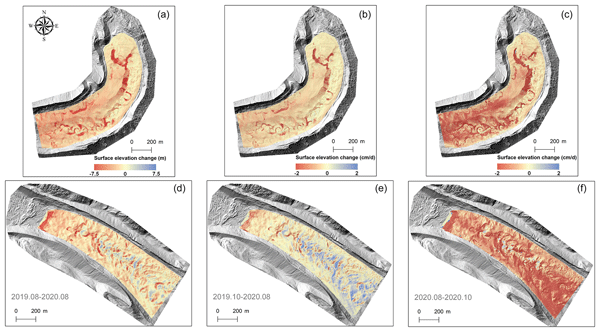
This paper quantifies the thinning and surface mass balance of two neighbouring debris-covered glaciers in the southeastern Tibetan Plateau during different seasons, based on high spatio-temporal resolution UAV-derived (unpiloted aerial
vehicle) data and in situ observations. Through a comparison approach and high-precision results, we identify that the glacier dynamic and debris thickness are strongly related to the future fate of the debris-covered glaciers in this region.
Wei Yang, Zhongyan Wang, Baosheng An, Yingying Chen, Chuanxi Zhao, Chenhui Li, Yongjie Wang, Weicai Wang, Jiule Li, Guangjian Wu, Lin Bai, Fan Zhang, and Tandong Yao
Nat. Hazards Earth Syst. Sci., 23, 3015–3029, https://doi.org/10.5194/nhess-23-3015-2023, https://doi.org/10.5194/nhess-23-3015-2023, 2023
Short summary
Short summary
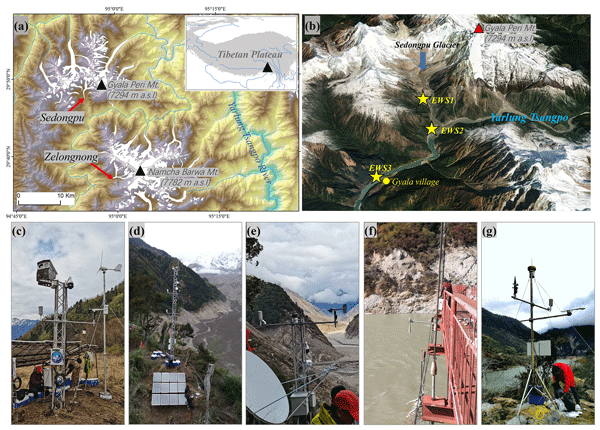
We present the structure and performance of the early warning system (EWS) for glacier collapse and river blockages in the southeastern Tibetan Plateau. The EWS warned of three collapse–river blockage chain events and seven small-scale events. The volume and location of the collapses and the percentage of ice content influenced the velocities of debris flows. Such a study is helpful for understanding the mechanism of glacier hazards and for establishing similar EWSs in other high-risk regions.
Wei Yang, Huabiao Zhao, Baiqing Xu, Jiule Li, Weicai Wang, Guangjian Wu, Zhongyan Wang, and Tandong Yao
The Cryosphere, 17, 2625–2628, https://doi.org/10.5194/tc-17-2625-2023, https://doi.org/10.5194/tc-17-2625-2023, 2023
Short summary
Short summary
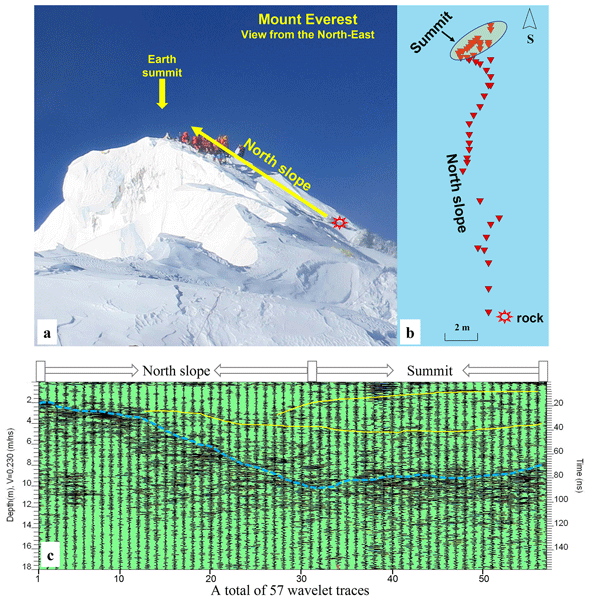
There is very strong scientific and public interest regarding the snow thickness on Mountain Everest. Previously reported snow depths derived by different methods and instruments ranged from 0.92 to 3.5 m. Our measurements in 2022 provide the first clear radar image of the snowpack at the top of Mount Everest. The snow thickness at Earth's summit was averaged to be 9.5 ± 1.2 m. This updated snow thickness is considerably deeper than values reported during the past 5 decades.
He Sun, Tandong Yao, Fengge Su, Wei Yang, Guifeng Huang, and Deliang Chen
Hydrol. Earth Syst. Sci. Discuss., https://doi.org/10.5194/hess-2023-16, https://doi.org/10.5194/hess-2023-16, 2023
Manuscript not accepted for further review
Short summary
Short summary
Based on field research campaigns since 2017 in the Yarlung Zangbo (YZ) river basin and a well-validated model, our results reveal that large regional differences in runoff regimes and changes exist in the basin. Annual runoff shows decreasing trend in the downstream sub-basin but increasing trends in the upper and middle sub-basins, due to opposing precipitation changes. Glacier runoff plays more important role in annual total runoff in downstream basin.
Marin Kneib, Evan S. Miles, Pascal Buri, Stefan Fugger, Michael McCarthy, Thomas E. Shaw, Zhao Chuanxi, Martin Truffer, Matthew J. Westoby, Wei Yang, and Francesca Pellicciotti
The Cryosphere, 16, 4701–4725, https://doi.org/10.5194/tc-16-4701-2022, https://doi.org/10.5194/tc-16-4701-2022, 2022
Short summary
Short summary
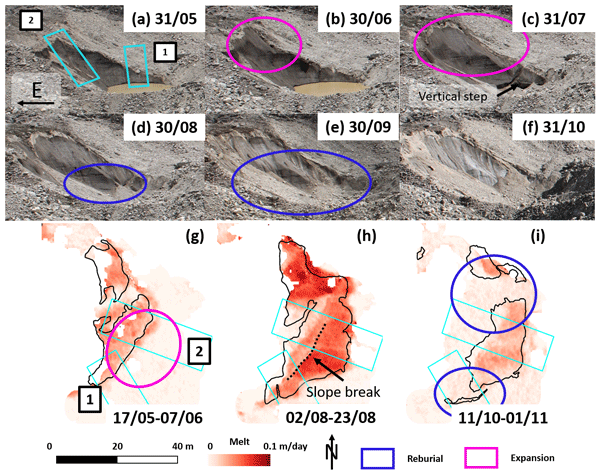
Ice cliffs are believed to be important contributors to the melt of debris-covered glaciers, but this has rarely been quantified as the cliffs can disappear or rapidly expand within a few weeks. We used photogrammetry techniques to quantify the weekly evolution and melt of four cliffs. We found that their behaviour and melt during the monsoon is strongly controlled by supraglacial debris, streams and ponds, thus providing valuable insights on the melt and evolution of debris-covered glaciers.
Yongqin Liu, Pengcheng Fang, Bixi Guo, Mukan Ji, Pengfei Liu, Guannan Mao, Baiqing Xu, Shichang Kang, and Junzhi Liu
Earth Syst. Sci. Data, 14, 2303–2314, https://doi.org/10.5194/essd-14-2303-2022, https://doi.org/10.5194/essd-14-2303-2022, 2022
Short summary
Short summary
Glaciers are an important pool of microorganisms, organic carbon, and nitrogen. This study constructed the first dataset of microbial abundance and total nitrogen in Tibetan Plateau (TP) glaciers and the first dataset of dissolved organic carbon in ice cores on the TP. These new data could provide valuable information for research on the glacier carbon and nitrogen cycle and help in assessing the potential impacts of glacier retreat due to global warming on downstream ecosystems.
Stefan Fugger, Catriona L. Fyffe, Simone Fatichi, Evan Miles, Michael McCarthy, Thomas E. Shaw, Baohong Ding, Wei Yang, Patrick Wagnon, Walter Immerzeel, Qiao Liu, and Francesca Pellicciotti
The Cryosphere, 16, 1631–1652, https://doi.org/10.5194/tc-16-1631-2022, https://doi.org/10.5194/tc-16-1631-2022, 2022
Short summary
Short summary
The monsoon is important for the shrinking and growing of glaciers in the Himalaya during summer. We calculate the melt of seven glaciers in the region using a complex glacier melt model and weather data. We find that monsoonal weather affects glaciers that are covered with a layer of rocky debris and glaciers without such a layer in different ways. It is important to take so-called turbulent fluxes into account. This knowledge is vital for predicting the future of the Himalayan glaciers.
Chuanxi Zhao, Wei Yang, Matthew Westoby, Baosheng An, Guangjian Wu, Weicai Wang, Zhongyan Wang, Yongjie Wang, and Stuart Dunning
The Cryosphere, 16, 1333–1340, https://doi.org/10.5194/tc-16-1333-2022, https://doi.org/10.5194/tc-16-1333-2022, 2022
Short summary
Short summary
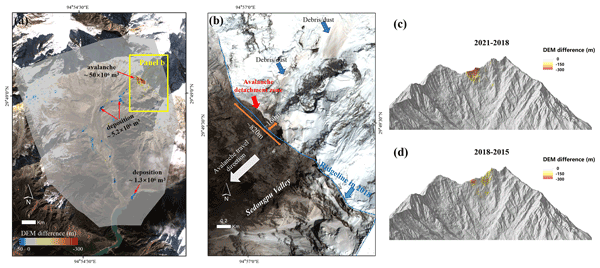
On 22 March 2021, a ~ 50 Mm 3 ice-rock avalanche occurred from 6500 m a.s.l. in the Sedongpu basin, southeastern Tibet. It caused temporary blockage of the Yarlung Tsangpo river, a major tributary of the Brahmaputra. We utilize field investigations, high-resolution satellite imagery, seismic records, and meteorological data to analyse the evolution of the 2021 event and its impact, discuss potential drivers, and briefly reflect on implications for the sustainable development of the region.
Jiule Li, Baiqing Xu, Ninglian Wang, Ping Yao, and Xiangke Xu
The Cryosphere Discuss., https://doi.org/10.5194/tc-2022-43, https://doi.org/10.5194/tc-2022-43, 2022
Manuscript not accepted for further review
Short summary
Short summary
The air bubbles enclosed in the alpine glacier ice could be used to reveal regional climate changes. Thus, we analyzed the δ18O of gaseous oxygen in the ice core air bubbles (δ18Obub) from a glacier in the Tibetan Plateau (TP). We find that there is a good correlation between the variation of the δ18Obub and the accumulation or melting of the glacier. Combined with the chronology of the ice core air bubbles, we reconstruct the glacier variations since the late Holocene in the central TP.
Cited articles
A2 Photonic Sensors: SmartStake: Monitor the glacier ablation with sub-hourly time step and millimetric accuracy, https://a2photonicsensors.com/smartstake-mon (last access: 10 September 2025), 2021.
Barandun, M. and Pohl, E.: Central Asia's spatiotemporal glacier response ambiguity due to data inconsistencies and regional simplifications, The Cryosphere, 17, 1343–1371, https://doi.org/10.5194/tc-17-1343-2023, 2023.
Barandun, M., Huss, M., Usubaliev, R., Azisov, E., Berthier, E., Kääb, A., Bolch, T., and Hoelzle, M.: Multi-decadal mass balance series of three Kyrgyz glaciers inferred from modelling constrained with repeated snow line observations, The Cryosphere, 12, 1899–1919, https://doi.org/10.5194/tc-12-1899-2018, 2018.
Barandun, M., Pohl, E., Naegeli, K., McNabb, R., Huss, M., Berthier, E., Saks, T., and Hoelzle, M.: Hot spots of glacier mass balance variability in Central Asia, Geophys. Res. Lett., 48, e2020GL092084, https://doi.org/10.1029/2020GL092084, 2021.
Berthier, E. and Brun, F.: Karakoram geodetic glacier mass balances between 2008 and 2016: persistence of the anomaly and influence of a large rock avalanche on Siachen glacier, J. Glaciol., 65, 494–507, https://doi.org/10.1017/jog.2019.32, 2019.
Berthier, E., Vincent, C., and Six, D.: Exceptional thinning through the entire altitudinal range of Mont-Blanc glaciers during the 2021/22 mass balance year, J. Glaciol., 70, e30, 1–6, https://doi.org/10.1017/jog.2023.100, 2024.
Bhattacharya, A., Bolch, T., Mukherjee, K., King, O., Menounos, B., Kapitsa, V., Neckel, N., Yang, W., and Yao, T.: High Mountain Asian glacier response to climate revealed by multi-temporal satellite observations since the 1960s, Nat. Commun., 12, 4133, https://doi.org/10.1038/s41467-021-24180-y, 2021.
Bolch, T., Shea, J. M., Liu, S., Azam, F. M., Gao, Y., Gruber, S., Immerzeel, W. W., Kulkarni, A., Li, H., Tahir, A. A., Zhang, G., and Zhang, Y.: Status and change of the cryosphere in the extended Hindu Kush Himalaya region, in: Wester, P., Mishra, A., Mukherji, A., and Shrestha, A. B. (Eds.), The Hindu Kush Himalaya Assessment, Springer, Cham, 209–255, https://doi.org/10.1007/978-3-319-92288-1_7, 2019.
Brun, F., Berthier, E., Wagnon, P., Kääb, A., and Treichler, D.: A spatially resolved estimate of High Mountain Asia glacier mass balances from 2000 to 2016, Nat. Geosci., 10, 668–673, https://https://doi.org/10.1038/ngeo2999, 2017.
Brun, F., Wagnon, P., Berthier, E., Jomelli, V., Maharjan, S. B., Shrestha, F., and Kraaijenbrink, P. D. A.: Heterogeneous influence of glacier morphology on the mass balance variability in High Mountain Asia, J. Geophys. Res.-Earth Surf., 124, 1331–1345, https://doi.org/10.1029/2018JF004838, 2019.
Chen, W., Yao, T., Zhang, G., Woolway, R. I., Yang, W., Xu, F., and Zhou, T.: Glacier surface heatwaves over the Tibetan Plateau, Geophys. Res. Lett., 50, e2022GL101115, https://doi.org/10.1029/2022GL101115, 2023.
Cogley, J. G., Hock, R., Rasmussen, L. A., Arendt, A. A., Bauder, A., Braithwaite, R. J., Jansson, P., Kaser, G., Möller, M., Nicholson, L., and Zemp, M.: Glossary of Glacier Mass Balance and Related Terms, IHP-VII Technical Documents in Hydrology No. 86, IACS Contribution No. 2, UNESCO-IHP, Paris, https://unesdoc.unesco.org/ark:/48223/pf0000192525 (last access: 25 February 2026), 2011.
Colucci, R., Giorgi, F., and Torma, C.: Unprecedented heat wave in December 2015 and potential for winter glacier ablation in the eastern Alps, Sci. Rep., 7, 7090, https://doi.org/10.1038/s41598-017-07415-1, 2017.
Cremona, A., Huss, M., Landmann, J. M., Borner, J., and Farinotti, D.: European heat waves 2022: contribution to extreme glacier melt in Switzerland inferred from automated ablation readings, The Cryosphere, 17, 1895–1912, https://doi.org/10.5194/tc-17-1895-2023, 2023.
Deng, Z., Zhou, S., Wang, M., He, L., Qing, Y., and Qian, Z.: Variations in summer surface air temperature over the eastern Tibetan Plateau: connection with Barents-Kara Spring Sea Ice and Summer Arctic Oscillation, J. Geophys. Res.-Atmos., 128, e2023JD039765, https://doi.org/10.1029/2023JD039765, 2023.
Ding, B., Yang K., Qin, J., Wang, L., Chen, Y., and He, X.: The dependence of precipitation types on surface elevation and meteorological conditions and its parameterization, J. Hydrol., 513, 154–163, https://doi.org/10.1016/j.jhydrol.2014.03.038, 2014.
Falaschi, D., Bhattacharya, A., Guillet, G., Huang, L., King, O., Mukherjee, K., Rastner, P., Yao, T., and Bolch, T.: Annual to seasonal glacier mass balance in High Mountain Asia derived from Pléiades stereo images: examples from the Pamir and the Tibetan Plateau, The Cryosphere, 17, 5435–5458, https://doi.org/10.5194/tc-17-5435-2023, 2023.
Farinotti, D., Immerzeel, W. W., de Kok, R. J., Quincey, D. J., and Dehecq, A.: Manifestations and mechanisms of the Karakoram glacier anomaly, Nat. Geosci., 13, 8–16, https://doi.org/10.1038/s41561-019-0513-5, 2020.
Ganesan, P., Rajini, V., Sathish, B. S., and Shaik, K. B.: HSV color space based segmentation of region of interest in satellite images, 2014 International Conference on Control, Instrumentation, Communication and Computational Technologies (ICCICCT), 101–105, https://doi.org/10.1109/ICCICCT.2014.6992938, 2014.
Gui, K., Zhou, T., Zhang, W., and Zhang, X.: Land-atmosphere coupling amplified the record-breaking heatwave at altitudes above 5000 meters on the Tibetan Plateau in July 2022, Weather Clim. Extrem., 45, 100717, https://doi.org/10.1016/j.wace.2024.100717, 2024.
Hamuda, E., McGinley, B., Glavin, M., and Jones, E.: Automatic crop detection under field conditions using the HSV colour space and morphological operations, Comput. Electron. Agric., 133, 97–107, https://doi.org/10.1016/j.compag.2016.11.021, 2017.
Hassan, W. U., Nayak, M. A., Saharwardi, M. S., Dar, J. A., Dasari, H. P., Hoteit, I., and Abualnaja, Y.: Unveiling the devastating effect of the spring 2022 mega-heatwave on the South Asian snowpack, Commun. Earth Environ., 5, 707, https://doi.org/10.1038/s43247-024-01857-y, 2024.
Hewitt, K.: Glacier change, concentration, and elevation effects in the Karakoram Himalaya, Upper Indus Basin, Mt. Res. Dev., 31, 188–200, https://doi.org/10.1659/MRD-JOURNAL-D-11-00020.1, 2011.
Hoffmann, L., Günther, G., Li, D., Stein, O., Wu, X., Griessbach, S., Heng, Y., Konopka, P., Müller, R., Vogel, B., and Wright, J. S.: From ERA-Interim to ERA5: the considerable impact of ECMWF's next-generation reanalysis on Lagrangian transport simulations, Atmos. Chem. Phys., 19, 3097–3124, https://doi.org/10.5194/acp-19-3097-2019, 2019.
Holzer, N., Vijay, S., Yao, T., Xu, B., Buchroithner, M., and Bolch, T.: Four decades of glacier variations at Muztagh Ata (eastern Pamir): a multi-sensor study including Hexagon KH-9 and Pléiades data, The Cryosphere, 9, 2071–2088, https://doi.org/10.5194/tc-9-2071-2015, 2015.
Hood, L. L., Redman, M. A., Johnson, W. L., and Galarneau, T. J.: Stratospheric Influences on the MJO-Induced Rossby Wave Train: Effects on Intraseasonal Climate, J. Climate, 33, 365–389, https://doi.org/10.1175/JCLI-D-18-0811.1, 2020.
Hugonnet, R., McNabb, R., Berthier, E., Menounos, B., Nuth, C., Girod, L., Farinotti, D., Huss, M., Dussaillant, I., and Brun, F.: Accelerated global glacier mass loss in the early twenty-first century, Nature, 592, 726–731, https://doi.org/10.1038/s41586-021-03436-z, 2021.
Huss, M.: Density assumptions for converting geodetic glacier volume change to mass change, The Cryosphere, 7, 877–887, https://doi.org/10.5194/tc-7-877-2013, 2013.
Huss, M. and Hock, R.: Global-scale hydrological response to future glacier mass loss, Nat. Clim. Change, 8, 135–140, https://doi.org/10.1038/s41558-017-0049-x, 2018.
Jiang, J., Liu, Y., Mao, J., and Wu, G.: Extreme heatwave over Eastern China in summer 2022: the role of three oceans and local soil moisture feedback, Environ. Res. Lett., 18, 044025, https://doi.org/10.1088/1748-9326/acc5fb, 2023.
Jouberton, A., Shaw, T. E., Miles, E., McCarthy, M., Fugger, S., Ren, S. T., Dehecq, A., Yang, W., and Pellicciotti, F.: Warming-induced monsoon precipitation phase change intensifies glacier mass loss in the southeastern Tibetan Plateau, P. Natl. Acad. Sci. USA, 119, e2109796119, https://doi.org/10.1073/pnas.2109796119, 2022.
Jouberton, A., Shaw, T. E., Miles, E., Kneib, M., Fugger, S., Buri, P., McCarthy, M., Kayumov, A., Navruzshoev, H., Halimov, A., Kabutov, K., Homidov, F., and Pellicciotti, F.: Snowfall decrease in recent years undermines glacier health and meltwater resources in the Northwestern Pamirs, Commun. Earth Environ., 6, 691, https://doi.org/10.1038/s43247-025-02611-8, 2025.
Kääb, A., Treichler, D., Nuth, C., and Berthier, E.: Brief Communication: Contending estimates of 2003–2008 glacier mass balance over the Pamir–Karakoram–Himalaya, The Cryosphere, 9, 557–564, https://doi.org/10.5194/tc-9-557-2015, 2015.
Kääb, A., Leinss, S., Gilbert, A., Bühler, Y., Gascoin, S., Evans, S. G., Bartelt, P., Berthier, E., Brun, F., Chao, W.-A., Farinotti, D., Gimbert, F., Guo, W., Huggel, C., Kargel, J. S., Leonard, G. J., Tian, L., Treichler, D. and Yao, T.: Massive collapse of two glaciers in western Tibet in 2016 after surge-like instability, Nat. Geosci., 11, 114–120, https://doi.org/10.1038/s41561-017-0039-7, 2018.
Kaser, G., Fountain, A., and Jansson, P.: A manual for monitoring the mass balance of mountain glaciers with particular attention to low latitude characteristics, UNESCO, Paris, 107 pp. + Appendices, https://wgms.ch/downloads/Kaser_etal_UNESCO_2003.pdf (last access: 25 February 2026), 2003.
Landmann, J. M., Künsch, H. R., Huss, M., Ogier, C., Kalisch, M., and Farinotti, D.: Assimilating near-real-time mass balance stake readings into a model ensemble using a particle filter, The Cryosphere, 15, 5017–5040, https://doi.org/10.5194/tc-15-5017-2021, 2021.
Li, Z., Wang, N., Chen, A., Zhang, L., and Zhang, Y.: Slight change of glaciers in the Pamir over the period 2000–2017, Arct. Antarct. Alp. Res., 54, 13–24, https://doi.org/10.1080/15230430.2022.2028475, 2022.
Little, K., Kingston, D., Cullen, N., and Gibson, P.: The role of atmospheric rivers for extreme ablation and snowfall events in the Southern Alps of New Zealand, Geophys. Res. Lett., 46, 2761–2771, https://doi.org/10.1029/2018GL081669, 2019.
Liu, W., Zhang, D., Qin, X., van den Broeke, M. R., Jiang, Y., Yang, D., and Ding, M.: Monsoon Clouds Control the Summer Surface Energy Balance on East Rongbuk Glacier (6,523 m Above Sea Level), the Northern of Mt. Qomolangma (Everest), J. Geophys. Res.-Atmos., 126, e2020JD033998, https://doi.org/10.1029/2020JD033998, 2021.
Lu, G., Li, Q., Sun, X., Zhao, M., Dong, L., Wu, Q., Wang, L., Zhao, L., Duan, C., Yin, Y., Wang, P., and Shen X.: Comparative analysis of peak-summer heatwaves in the Yangtze–Huaihe River Basin of China in 2022 and 2013: Thermal effects of the Tibetan Plateau, Atmos. Res., 300, 107222, https://doi.org/10.1016/j.atmosres.2024.107222, 2024.
Lu, R., Xu, K., Chen, R., Chen, W., Li, F., and Lv, C.: Heat waves in summer 2022 and increasing concern regarding heat waves in general, Atmos. Ocean Sci. Lett., 16, 100290, https://doi.org/10.1016/j.aosl.2022.100290, 2023.
Lv, M., Quincey, D., Guo, H., King, O., Liu, G., Yan, S., Lu, X., and Ruan, Z.: Examining geodetic glacier mass balance in the eastern Pamir transition zone, J. Glaciol., 66, 927–937, https://doi.org/10.1017/jog.2020.54, 2020.
Maussion, F., Scherer, D., Mölg, T., Collier, E., Curio, J., and Finkelnburg, R.: Precipitation Seasonality and Variability over the Tibetan Plateau as Resolved by the High Asia Reanalysis, J. Climate, 27, 1910–1927, https://doi.org/10.1175/JCLI-D-13-00282.1, 2014.
Mölg, T., Maussion, F., and Scherer, D.: Mid-latitude westerlies as a driver of glacier variability in monsoonal High Asia, Nat. Clim. Change, 4, 68–73, https://doi.org/10.1038/nclimate2055, 2014.
Otsu, N.: A threshold selection method from gray-level histograms, IEEE Trans. Syst. Man. Cybern., 9, 62–66, https://doi.org/10.1109/TSMC.1979.4310076, 1979.
Perkins-Kirkpatrick, S. E. and Lewis, S. C.: Increasing trends in regional heatwaves, Nat. Commun., 11, 3357, https://doi.org/10.1038/s41467-020-16970-7, 2020.
Shean, D. E., Bhushan, S., Montesano, P., Rounce, D. R., Arendt, A., and Osmanoglu, B.: A Systematic, Regional Assessment of High Mountain Asia Glacier Mass Balance, Front. Earth Sci., 7, 363, https://doi.org/10.3389/feart.2019.00363, 2020.
Shi, Y. and Liu, S.: Estimation on the response of glaciers in China to the global warming in the 21st century, Chin. Sci. Bull., 45, 668–672, https://doi.org/10.1007/BF02886048, 2000.
Shugar, D. H., Jacquemart, M., Shean, D., Bhushan, S., Upadhyay, K., Sattar, A., Schwanghart, W., McBride, S., De Vries, M. V. W., Mergili, M., Emmer, A., Deschamps-Berger, C., McDonnell, M., Bhambri, R., Allen, S., Berthier, E., Carrivick, J. L., Clague, J. J., Dokukin, M., Dunning, S. A., Frey, H., Gascoin, S., Haritashya, U. K., Huggel, C., Kääb, A., Kargel, J. S., Kavanaugh, J. L., Lacroix, P., Petley, D., Rupper, S., Azam, M. F., Cook, S. J., Dimri, A. P., Eriksson, M., Farinotti, D., Fiddes, J., Gnyawali, K. R., Harrison, S., Jha, M., Koppes, M., Kumar, A., Leinss, S., Majeed, U., Mal, S., Muhuri, A., Noetzli, J., Paul, F., Rashid, I., Sain, K., Steiner, J., Ugalde, F., Watson, C. S., and Westoby, M. J.: A massive rock and ice avalanche caused the 2021 disaster at Chamoli, Indian Himalaya, Science, 373, 300–306, https://doi.org/10.1126/science.abh4455, 2021.
Song, Q., Wang, C., Yao, Y., and Fan, H.: Unraveling the Indian monsoon's role in fueling the unprecedented 2022 Marine Heatwave in the Western North Pacific, npj Clim. Atmos. Sci., 7, 90, https://doi.org/10.1038/s41612-024-00645-x, 2024.
Voordendag, A., Prinz, R., Schuster, L., and Kaser, G.: Brief communication: The Glacier Loss Day as an indicator of a record-breaking negative glacier mass balance in 2022, The Cryosphere, 17, 3661–3665, https://doi.org/10.5194/tc-17-3661-2023, 2023.
Wang, R., Liu, S., Shangguan, D., Radić, V., and Zhang, Y.: Spatial heterogeneity in glacier mass-balance sensitivity across High Mountain Asia, Water, 11, 776, https://doi.org/10.3390/w11040776, 2019.
WGMS: Latest glacier mass balance data, http://wgms.ch/latest-glacier-mass-balance-data/ (last access: 25 February 2026), 2025.
Xu, C., Li, H., Wang, F., Li, Z., Zhou, P., and Liu, S.: Heatwaves in summer 2022 forces substantial mass loss for Urumqi Glacier No. 1, China, J. Glaciol., 70, e77, https://doi.org/10.1017/jog.2024.4, 2024.
Yao, T., Thompson, L., Yang, W., Yu, W., Gao, Y., Guo, X., Yang, X., Duan, K., Zhao, H., Xu, B., Pu, J., Lu, A., Xiang, Y., Kattel, D. B., and Joswiak, D.: Different glacier status with atmospheric circulations in Tibetan Plateau and surroundings, Nat. Clim. Change, 2, 663–667, https://doi.org/10.1038/nclimate1580, 2012.
Yao, T., Bolch, T., Chen, D., Gao, J., Immerzeel, W., Piao, S., Su, F., Thompson, L., Wada, Y., and Wang, L.: The imbalance of the Asian water tower, Nat. Rev. Earth Environ., 3, 618–632, https://doi.org/10.1038/s43017-022-00299-4, 2022.
Yu, L., Chou, S., Wu, H., Chen, Y., and Chen, Y.: Rapid and semi-quantitative colorimetric loop-mediated isothermal amplification detection of ASFV via HSV color model transformation, J. Microbiol. Immunol. Infect., 54, 963–970, https://doi.org/10.1016/j.jmii.2020.08.003, 2021.
Zemp, M., Gärtner-Roer, I., Nussbaumer, S. U., Welty, E. Z., Dussaillant, I., and Bannwart, J. (Eds.): Global Glacier Change Bulletin No. 5 (2020–2021), ISC(WDS)/IUGG(IACS)/UNEP/UNESCO/WMO, World Glacier Monitoring Service, Zurich, Switzerland, 134 pp., ISBN: 978-3-033-10025-5, https://doi.org/10.5904/wgms-fog-2023-09, 2023.
Zhang, T., Deng, G., Liu, X., He, Y., Shen, Q., and Chen, Q.: Heatwave magnitude quantization and impact factors analysis over the Tibetan Plateau, npj Clim. Atmos. Sci., 8, 2, https://doi.org/10.1038/s41612-024-00877-x, 2025.
Zhang, Y., Li, B., Liu, L., and Zheng, D.: Redetermine the region and boundaries of Tibetan Plateau, Geogr. Res., 40, 1543–1553, https://doi.org/10.11821/dlyj020210138, 2021.
Zhao, C., Yang, W., Westoby, M., An, B., Wu, G., Wang, W., Wang, Z., Wang, Y., and Dunning, S.: Brief communication: An approximately 50 Mm3 ice-rock avalanche on 22 March 2021 in the Sedongpu valley, southeastern Tibetan Plateau, The Cryosphere, 16, 1333–1340, https://doi.org/10.5194/tc-16-1333-2022, 2022.
Zhu, F., Zhu, M., Guo, Y., and Yao, T.: Observation and simulation of runoff during an extreme heatwave in a glacial basin on the Central Tibetan Plateau, Hydrol. Process., 38, e70014, https://doi.org/10.1002/hyp.70014, 2024a.
Zhu, F., Zhu, M., Yang, W., Wang, Z., Guo, Y., and Yao, T.: Drivers of the extreme early spring glacier melt of 2022 on the central Tibetan Plateau, Earth Space Sci., 11, e2023EA003297, https://doi.org/10.1029/2023EA003297, 2024b.
Zhu, M., Yao, T., Yang, W., Xu, B., Wu, G., and Wang, X.: Reconstruction of the mass balance of Muztag Ata No. 15 glacier, eastern Pamir, and its climatic drivers, J. Glaciol., 64, 259–274, https://doi.org/10.1017/jog.2018.16, 2018.
Zhu, M., Thompson, L. G., Yao, T., Jin, S., Yang, W., Xiang, Y., and Zhao, H.: Opposite mass balance variations between glaciers in western Tibet and the western Tien Shan, Global Planet. Change, 220, 103997, https://doi.org/10.1016/j.gloplacha.2022.103997, 2023.
Short summary
This study explored how the Kangxiwa Glacier in the eastern Pamir responded to the 2022 heatwaves. Consecutive time-lapse photos from 2019 to 2023 were used to capture daily changes in the glacier’s mass. The glacier mainly gained mass in spring and lost it in summer. Notably, the 2022 heatwaves caused extreme mass loss. This work shows that glaciers in the eastern Pamir are sensitive to heatwaves, providing a foundation for predicting how glaciers will change in this region in the future.
This study explored how the Kangxiwa Glacier in the eastern Pamir responded to the 2022...


