
Articles | Volume 20, issue 6
https://doi.org/10.5194/tc-20-3643-2026
© Author(s) 2026. This work is distributed under
the Creative Commons Attribution 4.0 License.
the Creative Commons Attribution 4.0 License.
https://doi.org/10.5194/tc-20-3643-2026
© Author(s) 2026. This work is distributed under
the Creative Commons Attribution 4.0 License.
the Creative Commons Attribution 4.0 License.
Research article
| 
26 Jun 2026
Research article |
| 26 Jun 2026
| 26 Jun 2026
Winter Arctic polynyas in CMIP6 models

Department of Earth Sciences, University of Gothenburg, Gothenburg, Sweden
Jonathan W. Rheinlænder
Nansen Environmental and Remote Sensing Center, Bergen, Norway
Tian Tian
National Center for Climate Research, Danish Meteorological Institute, Copenhagen, Denmark
Carmen Hau Man Wong
Department of Earth Sciences, University of Gothenburg, Gothenburg, Sweden
Related authors
Jonathan Winfield Rheinlænder, Einar Örn Ólason, Céline Heuzé, and Guillaume Boutin
EGUsphere, https://doi.org/10.5194/egusphere-2026-5106, https://doi.org/10.5194/egusphere-2026-5106, 2026
This preprint is open for discussion and under review for The Cryosphere (TC).
Short summary
Short summary
Polynyas are "holes" in the sea-ice cover where large amounts of new ice form, but they are not represented in climate models. We used a novel sea-ice model, compared against satellite data, to study Arctic polynya activity over 18 winters. We found that polynyas account for up to 11 % of total winter ice production in the Arctic, despite only covering a small area. Our results suggest that earlier satellite estimates may have been too high.
Céline Heuzé, Polona Itkin, Vladimir Ivanov, G. W. Kent Moore, Kazuki Nakata, Kay I. Ohshima, and Janna Rückert
EGUsphere, https://doi.org/10.5194/egusphere-2026-3855, https://doi.org/10.5194/egusphere-2026-3855, 2026
This preprint is open for discussion and under review for The Cryosphere (TC).
Short summary
Short summary
Polynyas, openings in the sea ice, play a crucial role in the Arctic winter icescape, notably acting as breathing hole for the ecosystem, hunting ground for Indigenous communities, and comparatively safe navigation alternative. The Arctic being the region of the world changing fastest in response to climate change, we here review how polynyas and their impact on the climate have been changing too, and, for lack of adequate long-term observations or models, extrapolate their future.
Baylor Fox-Kemper, Patricia DeRepentigny, Anne Marie Treguier, Christian Stepanek, Eleanor O'Rourke, Chloe Mackallah, Alberto Meucci, Yevgeny Aksenov, Paul J. Durack, Nicole Feldl, Oluwayemi Garuba, Vanessa Hernaman, Céline Heuzé, Doroteaciro Iovino, Gaurav Madan, André L. Marquez, François Massonnet, Jenny Mecking, Dhrubajyoti Samanta, Patrick C. Taylor, Wan-Ling Tseng, and Martin Vancoppenolle
Geosci. Model Dev., 19, 6043–6078, https://doi.org/10.5194/gmd-19-6043-2026, https://doi.org/10.5194/gmd-19-6043-2026, 2026
Short summary
Short summary
The ocean and sea ice are central to Earth's climate system, influencing global heat and carbon cycles, weather patterns, and sea level rise. Here the earth system model variables needed for studies of the ocean and sea ice are prioritized and requested. These requested variables were developed through an international, community-based process.
Céline Heuzé and Carmen Hau Man Wong
The Cryosphere, 19, 6043–6058, https://doi.org/10.5194/tc-19-6043-2025, https://doi.org/10.5194/tc-19-6043-2025, 2025
Short summary
Short summary
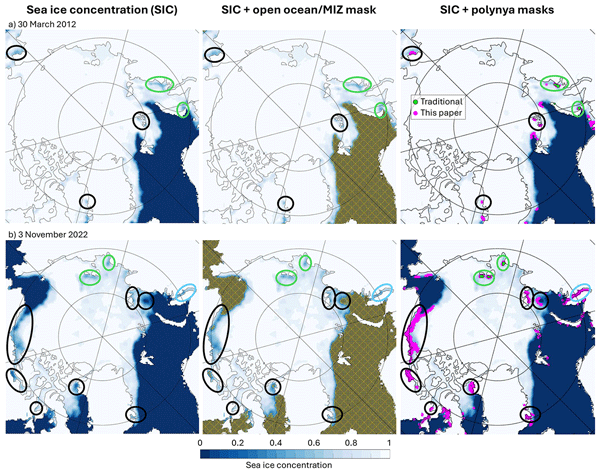
Polynyas are areas with no- or thin-ice within the ice pack. They play a crucial role for the Earth system, yet their monitoring in the Arctic is challenging because polynya detection is non-trivial. We here demonstrate that polynyas can successfully be detected with a novel, machine-learning based method. In fact, we argue that they are better detected than with traditional methods, which seem to fail as sea ice decreases because of climate change.
Céline Heuzé, Linn Carlstedt, Lea Poropat, and Heather Reese
Ocean Sci., 21, 1813–1832, https://doi.org/10.5194/os-21-1813-2025, https://doi.org/10.5194/os-21-1813-2025, 2025
Short summary
Short summary
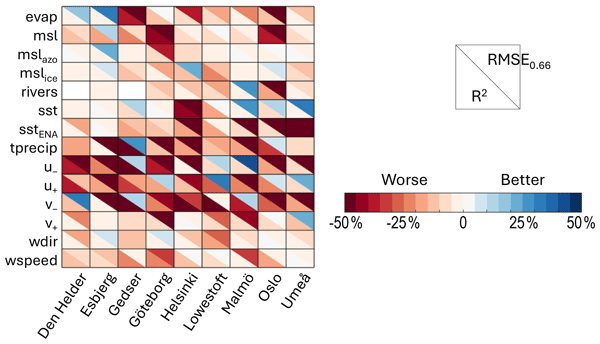
Extreme sea levels will worsen under climate change. In northern Europe, what drives these extreme events will not change, so determining these drivers is of use for planning coastal defences. Here, using two machine learning methods on hourly tide gauge and weather data at nine locations around the North and Baltic seas, we determine that the drivers of prolonged periods of high sea level are westerly winds, whereas the drivers of the most extreme peaks depend on the coastline geometry.
Flor Vermassen, Clare Bird, Tirza M. Weitkamp, Kate F. Darling, Hanna Farnelid, Céline Heuzé, Allison Y. Hsiang, Salar Karam, Christian Stranne, Marcus Sundbom, and Helen K. Coxall
Biogeosciences, 22, 2261–2286, https://doi.org/10.5194/bg-22-2261-2025, https://doi.org/10.5194/bg-22-2261-2025, 2025
Short summary
Short summary
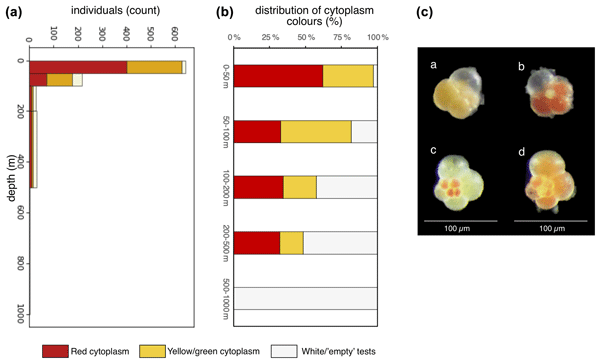
We provide the first systematic survey of planktonic foraminifera in the high Arctic Ocean. Our results describe the abundance and species composition under summer sea ice. They indicate that the polar specialist N. pachyderma is the only species present, with subpolar species absent. The data set will be a valuable reference for continued monitoring of the state of planktonic foraminifera communities as they respond to the ongoing sea-ice decline and the “Atlantification” of the Arctic Ocean.
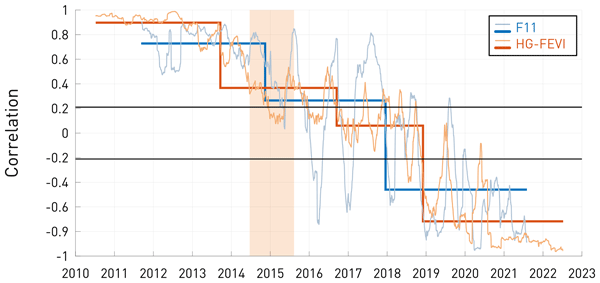
Salar Karam, Céline Heuzé, Mario Hoppmann, and Laura de Steur
Ocean Sci., 20, 917–930, https://doi.org/10.5194/os-20-917-2024, https://doi.org/10.5194/os-20-917-2024, 2024
Short summary
Short summary
A long-term mooring array in the Fram Strait allows for an evaluation of decadal trends in temperature in this major oceanic gateway into the Arctic. Since the 1980s, the deep waters of the Greenland Sea and the Eurasian Basin of the Arctic have warmed rapidly at a rate of 0.11°C and 0.05°C per decade, respectively, at a depth of 2500 m. We show that the temperatures of the two basins converged around 2017 and that the deep waters of the Greenland Sea are now a heat source for the Arctic Ocean.
Lea Poropat, Dani Jones, Simon D. A. Thomas, and Céline Heuzé
Ocean Sci., 20, 201–215, https://doi.org/10.5194/os-20-201-2024, https://doi.org/10.5194/os-20-201-2024, 2024
Short summary
Short summary
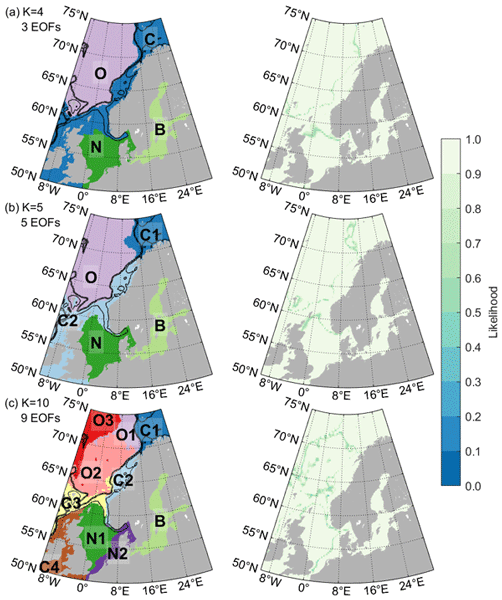
In this study we use a machine learning method called a Gaussian mixture model to divide part of the ocean (northwestern European seas and part of the Atlantic Ocean) into regions based on satellite observations of sea level. This helps us study each of these regions separately and learn more about what causes sea level changes there. We find that the ocean is first divided based on bathymetry and then based on other features such as water masses and typical atmospheric conditions.
Céline Heuzé, Oliver Huhn, Maren Walter, Natalia Sukhikh, Salar Karam, Wiebke Körtke, Myriel Vredenborg, Klaus Bulsiewicz, Jürgen Sültenfuß, Ying-Chih Fang, Christian Mertens, Benjamin Rabe, Sandra Tippenhauer, Jacob Allerholt, Hailun He, David Kuhlmey, Ivan Kuznetsov, and Maria Mallet
Earth Syst. Sci. Data, 15, 5517–5534, https://doi.org/10.5194/essd-15-5517-2023, https://doi.org/10.5194/essd-15-5517-2023, 2023
Short summary
Short summary
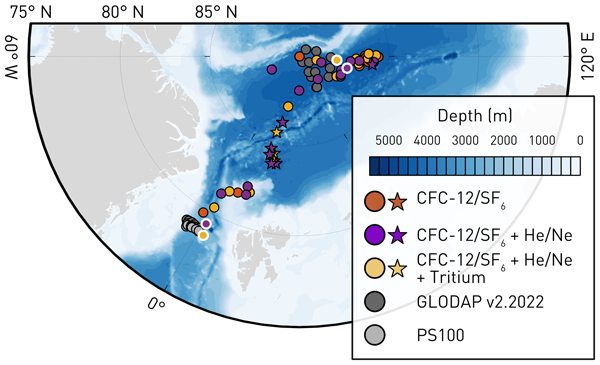
Gases dissolved in the ocean water not used by the ecosystem (or "passive tracers") are invaluable to track water over long distances and investigate the processes that modify its properties. Unfortunately, especially so in the ice-covered Arctic Ocean, such gas measurements are sparse. We here present a data set of several passive tracers (anthropogenic gases, noble gases and their isotopes) collected over the full ocean depth, weekly, during the 1-year drift in the Arctic during MOSAiC.
Jonathan Winfield Rheinlænder, Einar Örn Ólason, Céline Heuzé, and Guillaume Boutin
EGUsphere, https://doi.org/10.5194/egusphere-2026-5106, https://doi.org/10.5194/egusphere-2026-5106, 2026
This preprint is open for discussion and under review for The Cryosphere (TC).
Short summary
Short summary
Polynyas are "holes" in the sea-ice cover where large amounts of new ice form, but they are not represented in climate models. We used a novel sea-ice model, compared against satellite data, to study Arctic polynya activity over 18 winters. We found that polynyas account for up to 11 % of total winter ice production in the Arctic, despite only covering a small area. Our results suggest that earlier satellite estimates may have been too high.
Céline Heuzé, Polona Itkin, Vladimir Ivanov, G. W. Kent Moore, Kazuki Nakata, Kay I. Ohshima, and Janna Rückert
EGUsphere, https://doi.org/10.5194/egusphere-2026-3855, https://doi.org/10.5194/egusphere-2026-3855, 2026
This preprint is open for discussion and under review for The Cryosphere (TC).
Short summary
Short summary
Polynyas, openings in the sea ice, play a crucial role in the Arctic winter icescape, notably acting as breathing hole for the ecosystem, hunting ground for Indigenous communities, and comparatively safe navigation alternative. The Arctic being the region of the world changing fastest in response to climate change, we here review how polynyas and their impact on the climate have been changing too, and, for lack of adequate long-term observations or models, extrapolate their future.
Anton Korosov, Jonathan Rheinlænder, Richard Davy, François Massonnet, and David Babb
State Planet Discuss., https://doi.org/10.5194/sp-2026-5, https://doi.org/10.5194/sp-2026-5, 2026
Preprint under review for SP
Short summary
Short summary
The Arctic sea ice cover has changed dramatically over the last few decades. Thick, old ice that has survived several years is being replaced by thinner ice that forms each winter and melts easily. We examined Arctic sea ice age from 1991 to 2025 using satellite observations and found that during the rapid transition from 2003 to 2008, the area covered by multi-year ice decreased sharply, likely due to altered sea ice dynamics. Then, the Arctic has remained in a new state with much less old ice.
Einar Ólason, Guillaume Boutin, Timothy Williams, Anton Korosov, Heather Regan, Jonathan Rheinlænder, Pierre Rampal, Daniela Flocco, Abdoulaye Samaké, Richard Davy, Timothy Spain, and Sean Chua
Geosci. Model Dev., 19, 6467–6496, https://doi.org/10.5194/gmd-19-6467-2026, https://doi.org/10.5194/gmd-19-6467-2026, 2026
Short summary
Short summary
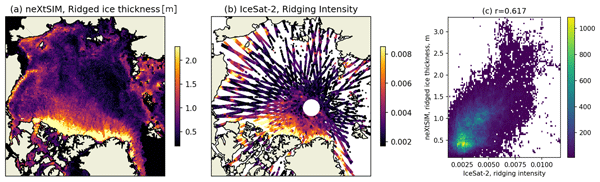
This paper introduces a new version of the neXtSIM sea-ice model. NeXtSIM is unique among sea-ice models in how it represents sea-ice dynamics, focusing on features such as cracks and ridges and how these impact interactions between the atmosphere and ocean where sea ice is present. The new version introduces some physical parameterisations and model options detailed and explained in the paper. Following the paper's publication, the neXtSIM code will be released publicly for the first time.
Baylor Fox-Kemper, Patricia DeRepentigny, Anne Marie Treguier, Christian Stepanek, Eleanor O'Rourke, Chloe Mackallah, Alberto Meucci, Yevgeny Aksenov, Paul J. Durack, Nicole Feldl, Oluwayemi Garuba, Vanessa Hernaman, Céline Heuzé, Doroteaciro Iovino, Gaurav Madan, André L. Marquez, François Massonnet, Jenny Mecking, Dhrubajyoti Samanta, Patrick C. Taylor, Wan-Ling Tseng, and Martin Vancoppenolle
Geosci. Model Dev., 19, 6043–6078, https://doi.org/10.5194/gmd-19-6043-2026, https://doi.org/10.5194/gmd-19-6043-2026, 2026
Short summary
Short summary
The ocean and sea ice are central to Earth's climate system, influencing global heat and carbon cycles, weather patterns, and sea level rise. Here the earth system model variables needed for studies of the ocean and sea ice are prioritized and requested. These requested variables were developed through an international, community-based process.
Céline Heuzé and Carmen Hau Man Wong
The Cryosphere, 19, 6043–6058, https://doi.org/10.5194/tc-19-6043-2025, https://doi.org/10.5194/tc-19-6043-2025, 2025
Short summary
Short summary
Polynyas are areas with no- or thin-ice within the ice pack. They play a crucial role for the Earth system, yet their monitoring in the Arctic is challenging because polynya detection is non-trivial. We here demonstrate that polynyas can successfully be detected with a novel, machine-learning based method. In fact, we argue that they are better detected than with traditional methods, which seem to fail as sea ice decreases because of climate change.
Céline Heuzé, Linn Carlstedt, Lea Poropat, and Heather Reese
Ocean Sci., 21, 1813–1832, https://doi.org/10.5194/os-21-1813-2025, https://doi.org/10.5194/os-21-1813-2025, 2025
Short summary
Short summary
Extreme sea levels will worsen under climate change. In northern Europe, what drives these extreme events will not change, so determining these drivers is of use for planning coastal defences. Here, using two machine learning methods on hourly tide gauge and weather data at nine locations around the North and Baltic seas, we determine that the drivers of prolonged periods of high sea level are westerly winds, whereas the drivers of the most extreme peaks depend on the coastline geometry.
Tian Tian, Richard Davy, Leandro Ponsoni, and Shuting Yang
The Cryosphere, 19, 2751–2768, https://doi.org/10.5194/tc-19-2751-2025, https://doi.org/10.5194/tc-19-2751-2025, 2025
Short summary
Short summary
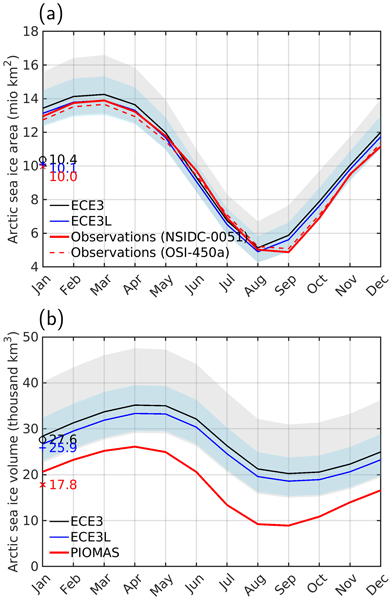
We introduced a modulating factor to the surface heat flux in the EC-Earth3 model to address the lack of parameterization for turbulent exchange over sea ice leads and correct the bias in Arctic sea ice. Three pairwise experiments showed that the amplified heat flux effectively reduces the overestimated sea ice, especially during cold periods, thereby improving agreement with observed and reanalysis data for sea ice area, volume, and ice edge, particularly in the North Atlantic sector.
Flor Vermassen, Clare Bird, Tirza M. Weitkamp, Kate F. Darling, Hanna Farnelid, Céline Heuzé, Allison Y. Hsiang, Salar Karam, Christian Stranne, Marcus Sundbom, and Helen K. Coxall
Biogeosciences, 22, 2261–2286, https://doi.org/10.5194/bg-22-2261-2025, https://doi.org/10.5194/bg-22-2261-2025, 2025
Short summary
Short summary
We provide the first systematic survey of planktonic foraminifera in the high Arctic Ocean. Our results describe the abundance and species composition under summer sea ice. They indicate that the polar specialist N. pachyderma is the only species present, with subpolar species absent. The data set will be a valuable reference for continued monitoring of the state of planktonic foraminifera communities as they respond to the ongoing sea-ice decline and the “Atlantification” of the Arctic Ocean.
Chloe A. Brashear, Tyler R. Jones, Valerie Morris, Bruce H. Vaughn, William H. G. Roberts, William B. Skorski, Abigail G. Hughes, Richard Nunn, Sune Olander Rasmussen, Kurt M. Cuffey, Bo M. Vinther, Todd Sowers, Christo Buizert, Vasileios Gkinis, Christian Holme, Mari F. Jensen, Sofia E. Kjellman, Petra M. Langebroek, Florian Mekhaldi, Kevin S. Rozmiarek, Jonathan W. Rheinlænder, Margit H. Simon, Giulia Sinnl, Silje Smith-Johnsen, and James W. C. White
Clim. Past, 21, 529–546, https://doi.org/10.5194/cp-21-529-2025, https://doi.org/10.5194/cp-21-529-2025, 2025
Short summary
Short summary
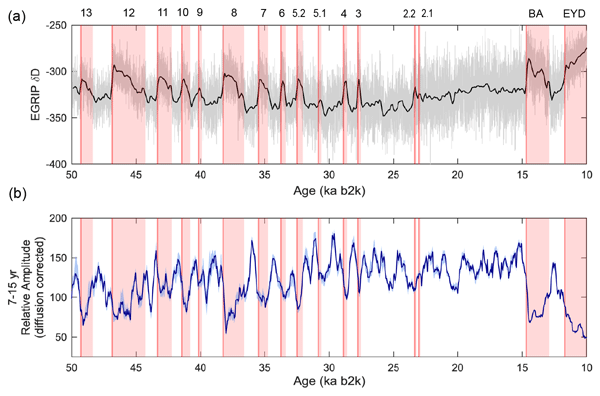
We use a series of spectral techniques to quantify the strength of high-frequency climate variability in northeastern Greenland to 50 000 ka before present. Importantly, we find that variability consistently decreases hundreds of years prior to Dansgaard–Oeschger warming events. Model simulations suggest a change in North Atlantic sea ice behavior contributed to this pattern, thus providing new information on the conditions which preceded abrupt climate change during the Last Glacial Period.
Salar Karam, Céline Heuzé, Mario Hoppmann, and Laura de Steur
Ocean Sci., 20, 917–930, https://doi.org/10.5194/os-20-917-2024, https://doi.org/10.5194/os-20-917-2024, 2024
Short summary
Short summary
A long-term mooring array in the Fram Strait allows for an evaluation of decadal trends in temperature in this major oceanic gateway into the Arctic. Since the 1980s, the deep waters of the Greenland Sea and the Eurasian Basin of the Arctic have warmed rapidly at a rate of 0.11°C and 0.05°C per decade, respectively, at a depth of 2500 m. We show that the temperatures of the two basins converged around 2017 and that the deep waters of the Greenland Sea are now a heat source for the Arctic Ocean.
Lea Poropat, Dani Jones, Simon D. A. Thomas, and Céline Heuzé
Ocean Sci., 20, 201–215, https://doi.org/10.5194/os-20-201-2024, https://doi.org/10.5194/os-20-201-2024, 2024
Short summary
Short summary
In this study we use a machine learning method called a Gaussian mixture model to divide part of the ocean (northwestern European seas and part of the Atlantic Ocean) into regions based on satellite observations of sea level. This helps us study each of these regions separately and learn more about what causes sea level changes there. We find that the ocean is first divided based on bathymetry and then based on other features such as water masses and typical atmospheric conditions.
Céline Heuzé, Oliver Huhn, Maren Walter, Natalia Sukhikh, Salar Karam, Wiebke Körtke, Myriel Vredenborg, Klaus Bulsiewicz, Jürgen Sültenfuß, Ying-Chih Fang, Christian Mertens, Benjamin Rabe, Sandra Tippenhauer, Jacob Allerholt, Hailun He, David Kuhlmey, Ivan Kuznetsov, and Maria Mallet
Earth Syst. Sci. Data, 15, 5517–5534, https://doi.org/10.5194/essd-15-5517-2023, https://doi.org/10.5194/essd-15-5517-2023, 2023
Short summary
Short summary
Gases dissolved in the ocean water not used by the ecosystem (or "passive tracers") are invaluable to track water over long distances and investigate the processes that modify its properties. Unfortunately, especially so in the ice-covered Arctic Ocean, such gas measurements are sparse. We here present a data set of several passive tracers (anthropogenic gases, noble gases and their isotopes) collected over the full ocean depth, weekly, during the 1-year drift in the Arctic during MOSAiC.
Guillaume Gastineau, Claude Frankignoul, Yongqi Gao, Yu-Chiao Liang, Young-Oh Kwon, Annalisa Cherchi, Rohit Ghosh, Elisa Manzini, Daniela Matei, Jennifer Mecking, Lingling Suo, Tian Tian, Shuting Yang, and Ying Zhang
The Cryosphere, 17, 2157–2184, https://doi.org/10.5194/tc-17-2157-2023, https://doi.org/10.5194/tc-17-2157-2023, 2023
Short summary
Short summary
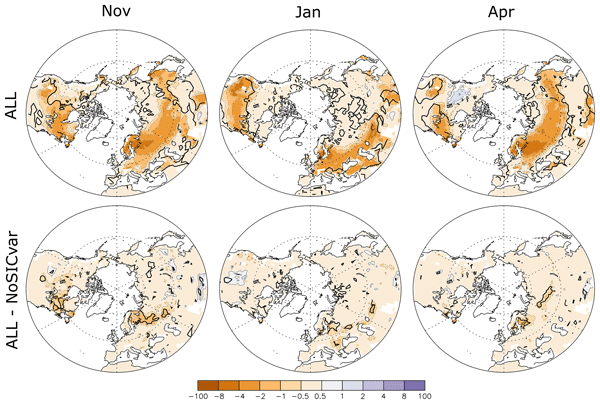
Snow cover variability is important for many human activities. This study aims to understand the main drivers of snow cover in observations and models in order to better understand it and guide the improvement of climate models and forecasting systems. Analyses reveal a dominant role for sea surface temperature in the Pacific. Winter snow cover is also found to have important two-way interactions with the troposphere and stratosphere. No robust influence of the sea ice concentration is found.
Ralf Döscher, Mario Acosta, Andrea Alessandri, Peter Anthoni, Thomas Arsouze, Tommi Bergman, Raffaele Bernardello, Souhail Boussetta, Louis-Philippe Caron, Glenn Carver, Miguel Castrillo, Franco Catalano, Ivana Cvijanovic, Paolo Davini, Evelien Dekker, Francisco J. Doblas-Reyes, David Docquier, Pablo Echevarria, Uwe Fladrich, Ramon Fuentes-Franco, Matthias Gröger, Jost v. Hardenberg, Jenny Hieronymus, M. Pasha Karami, Jukka-Pekka Keskinen, Torben Koenigk, Risto Makkonen, François Massonnet, Martin Ménégoz, Paul A. Miller, Eduardo Moreno-Chamarro, Lars Nieradzik, Twan van Noije, Paul Nolan, Declan O'Donnell, Pirkka Ollinaho, Gijs van den Oord, Pablo Ortega, Oriol Tintó Prims, Arthur Ramos, Thomas Reerink, Clement Rousset, Yohan Ruprich-Robert, Philippe Le Sager, Torben Schmith, Roland Schrödner, Federico Serva, Valentina Sicardi, Marianne Sloth Madsen, Benjamin Smith, Tian Tian, Etienne Tourigny, Petteri Uotila, Martin Vancoppenolle, Shiyu Wang, David Wårlind, Ulrika Willén, Klaus Wyser, Shuting Yang, Xavier Yepes-Arbós, and Qiong Zhang
Geosci. Model Dev., 15, 2973–3020, https://doi.org/10.5194/gmd-15-2973-2022, https://doi.org/10.5194/gmd-15-2973-2022, 2022
Short summary
Short summary
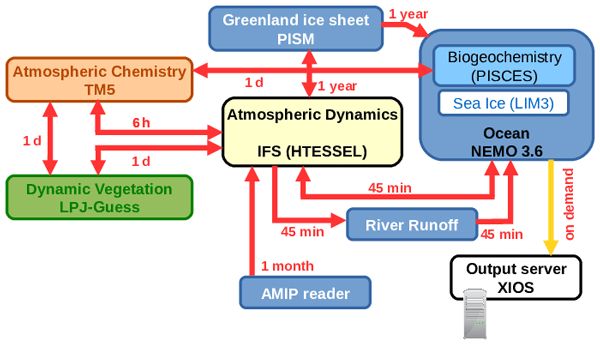
The Earth system model EC-Earth3 is documented here. Key performance metrics show physical behavior and biases well within the frame known from recent models. With improved physical and dynamic features, new ESM components, community tools, and largely improved physical performance compared to the CMIP5 version, EC-Earth3 represents a clear step forward for the only European community ESM. We demonstrate here that EC-Earth3 is suited for a range of tasks in CMIP6 and beyond.
Cited articles
Aagaard, K., Coachman, L., and Carmack, E.: On the halocline of the Arctic Ocean, Deep Sea Res., 28, 529–545, https://doi.org/10.1016/0198-0149(81)90115-1, 1981. a
Athanase, M., Köhler, R., Heuzé, C., Lévine, X., and Williams, R.: The Arctic Beaufort Gyre in CMIP6 Models: Present and Future, J. Geophys. Res.-Oceans, 130, e2024JC021873, https://doi.org/10.1029/2024JC021873, 2025. a, b, c
Bentsen, M., Oliviè, D. J. L., Seland, y., Toniazzo, T., Gjermundsen, A., Graff, L. S., Debernard, J. B., Gupta, A. K., He, Y., Kirkevåg, A., Schwinger, J., Tjiputra, J., Aas, K. S., Bethke, I., Fan, Y., Griesfeller, J., Grini, A., Guo, C., Ilicak, M., Karset, I. H. H., Landgren, O. A., Liakka, J., Moseid, K. O., Nummelin, A., Spensberger, C., Tang, H., Zhang, Z., Heinze, C., Iversen, T., and Schulz, M.: NCC NorESM2-MM model output prepared for CMIP6 CMIP, ESGF [data set], https://doi.org/10.22033/ESGF/CMIP6.506, 2019. a, b
Bethke, I., Wang, Y., Counillon, F., Kimmritz, M., Fransner, F., Samuelsen, A., Langehaug, H. R., Chiu, P.-G., Bentsen, M., Guo, C., Tjiputra, J., Kirkevåg, A., Oliviè, D. J. L., Seland, y., Fan, Y., Lawrence, P., Eldevik, T., and Keenlyside, N.: NCC NorCPM1 model output prepared for CMIP6 CMIP, ESGF [data set], https://doi.org/10.22033/ESGF/CMIP6.10843, 2019. a
Bi, D., Dix, M., Marsland, S., O’Farrell, S., Sullivan, A., Bodman, R., Law, R., Harman, I., Srbinovsky, J., Rashid, H. A., Dobrohotoff, P., Mackallah, Ch., Yan, H., Hirst, A., Savita, A., Boeira Dias, F., Woodhouse, M., Fiedler, R., and Heerdegen, A.: Configuration and spin-up of ACCESS-CM2, the new generation Australian community climate and earth system simulator coupled model, Journal of Southern Hemisphere Earth Systems Science, 70, 225–251, https://doi.org/10.1071/ES19040, 2020. a
Boucher, O., Denvil, S., Levavasseur, G., Cozic, A., Caubel, A., Foujols, M.-A., Meurdesoif, Y., Cadule, P., Devilliers, M., Ghattas, J., Lebas, N., Lurton, T., Mellul, L., Musat, I., Mignot, J., and Cheruy, F.: IPSL IPSL-CM6A-LR model output prepared for CMIP6 CMIP, ESGF [data set], https://doi.org/10.22033/ESGF/CMIP6.1534, 2018. a, b
Boucher, O., Denvil, S., Levavasseur, G., Cozic, A., Caubel, A., Foujols, M.-A., Meurdesoif, Y., Balkanski, Y., Checa-Garcia, R., Hauglustaine, D., Bekki, S., and Marchand, M.: IPSL IPSL-CM5A2-INCA model output prepared for CMIP6 CMIP, ESGF [data set], https://doi.org/10.22033/ESGF/CMIP6.13642, 2020a. a
Boucher, O., Servonnat, J., Albright, A. L., Aumont, O., Balkanski, Y., Bastrikov, V., Bekki, S., Bonnet, R., Bony, S., Bopp, L., Braconnot, P., Brockmann, P., Cadule, P., Caubel, A., Cheruy, F., Codron, F., Cozic, A., Cugnet, D., D'Andrea, F., Davini, P., de Lavergne, C., Denvil, S., Deshayes, J., Devilliers, M., Ducharne, A., Dufresne, J.-L., Dupont, E., Éthé, C., Fairhead, L., Falletti, L., Flavoni, S., Foujols, M.-A., Gardoll, S., Gastineau, G., Ghattas, J., Grandpeix, J.-Y., Guenet, B., Guez, L. E., Guilyardi, E., Guimberteau, M., Hauglustaine, D., Hourdin, F., Idelkadi, A., Joussaume, S., Kageyama, M., Khodri, M., Krinner, G., Lebas, N., Levavasseur, G., Lévy, C., Li, L., Lott, F., Lurton, T., Luyssaert, S., Madec, G., Madeleine, J.-B., Maignan, F., Marchand, M., Marti, O., Mellul, L., Meurdesoif, Y., Mignot, J., Musat, I., Ottlé, C., Peylin, P., Planton, Y., Polcher, J., Rio, C., Rochetin, N., Rousset, C., Sepulchre, P., Sima, A., Swingedouw, D., Thiéblemont, R., Khadre Traore, A., Vancoppenolle, M., Vial, J., Vialard, J., Viovy, N., and Vuichard, N.: Presentation and evaluation of the IPSL-CM6A-LR climate model, J. Adv. Model. Earth Sy., 12, e2019MS002010, https://doi.org/10.1029/2019MS002010, 2020b. a
Brodzik, M. J., Billingsley, B., Haran, T., Raup, B., and Savoie., M. H.: EASE-Grid 2.0: Incremental but Significant Improvements for Earth-Gridded Data Sets, ISPRS Int. Geo-Inf., 1, 32–45, https://doi.org/10.3390/ijgi1010032, 2012. a
Cao, J. and Wang, B.: NUIST NESMv3 model output prepared for CMIP6 CMIP, ESGF [data set], https://doi.org/10.22033/ESGF/CMIP6.2021, 2019. a, b
Cavalieri, D. J., Parkinson, C. L., Gloersen, P., Comiso, J. C., and Zwally, H. J.: Deriving long-term time series of sea ice cover from satellite passive-microwave multisensor data sets, J. Geophys. Res., 104, 15,803–15,814, https://doi.org/10.1029/1999JC900081, 1999. a
Chai, Z.: CAS CAS-ESM2.0 model output prepared for CMIP6 CMIP, ESGF [data set], https://doi.org/10.22033/ESGF/CMIP6.1944, 2020. a
cheuze: cheuze/Polynya_CNN2D_GMM: Paper accepted (Version v1), Zenodo [code], https://doi.org/10.5281/zenodo.17540456, 2025. a
Chevallier, M., Smith, G. C., Dupont, F., Lemieux, J.-F., Forget, G., Fujii, Y., Hernandez, F., Msadek, R., Peterson, K. A., Storto, A., Toyoda, T., Valdivieso, M., Vernieres, G., Zuo, H., Balmaseda, M., Chang, Y.-S., Ferry, N., Garric, G., Haines, K., Keeley, S., Kovach, R. M., Kuragano, T., Masina, S., Tang, Y., Tsujino, H., and Wang, X.: Intercomparison of the Arctic sea ice cover in global ocean–sea ice reanalyses from the ORA-IP project, Clim. Dynam., 49, 1107–1136, https://doi.org/10.1007/s00382-016-2985-y, 2017. a, b, c, d
Danabasoglu, G.: NCAR CESM2-WACCM model output prepared for CMIP6 CMIP, ESGF [data set], https://doi.org/10.22033/ESGF/CMIP6.10024, 2019a. a
Danabasoglu, G.: NCAR CESM2 model output prepared for CMIP6 CMIP, ESGF [data set], https://doi.org/10.22033/ESGF/CMIP6.2185, 2019b. a
DiGirolamo, N., Parkinson, C. L., Cavalieri, D. J., Gloersen, P., and Zwally, H. J.: Sea Ice Concentrations from Nimbus-7 SMMR and DMSP SSM/I-SSMIS Passive Microwave Data, (NSIDC-0051, Version 2), NSIDC [data set], https://doi.org/10.5067/MPYG15WAA4WX, 2022. a
Dix, M., Bi, D., Dobrohotoff, P., Fiedler, R., Harman, I., Law, R., Mackallah, C., Marsland, S., O'Farrell, S., Rashid, H., Srbinovsky, J., Sullivan, A., Trenham, C., Vohralik, P., Watterson, I., Williams, G., Woodhouse, M., Bodman, R., Dias, F. B., Domingues, C. M., Hannah, N., Heerdegen, A., Savita, A., Wales, S., Allen, C., Druken, K., Evans, B., Richards, C., Ridzwan, S. M., Roberts, D., Smillie, J., Snow, K., Ward, M., and Yang, R.: CSIRO-ARCCSS ACCESS-CM2 model output prepared for CMIP6 CMIP, ESGF [data set], https://doi.org/10.22033/ESGF/CMIP6.2281, 2019. a, b
Dmitrenko, I. A., Kirillov, S. A., Serra, N., Koldunov, N. V., Ivanov, V. V., Schauer, U., Polyakov, I. V., Barber, D., Janout, M., Lien, V. S., Makhotin, M., and Aksenov, Y.: Heat loss from the Atlantic water layer in the northern Kara Sea: causes and consequences, Ocean Sci., 10, 719–730, https://doi.org/10.5194/os-10-719-2014, 2014. a, b
Döscher, R., Acosta, M., Alessandri, A., Anthoni, P., Arsouze, T., Bergman, T., Bernardello, R., Boussetta, S., Caron, L.-P., Carver, G., Castrillo, M., Catalano, F., Cvijanovic, I., Davini, P., Dekker, E., Doblas-Reyes, F. J., Docquier, D., Echevarria, P., Fladrich, U., Fuentes-Franco, R., Gröger, M., v. Hardenberg, J., Hieronymus, J., Karami, M. P., Keskinen, J.-P., Koenigk, T., Makkonen, R., Massonnet, F., Ménégoz, M., Miller, P. A., Moreno-Chamarro, E., Nieradzik, L., van Noije, T., Nolan, P., O'Donnell, D., Ollinaho, P., van den Oord, G., Ortega, P., Prims, O. T., Ramos, A., Reerink, T., Rousset, C., Ruprich-Robert, Y., Le Sager, P., Schmith, T., Schrödner, R., Serva, F., Sicardi, V., Sloth Madsen, M., Smith, B., Tian, T., Tourigny, E., Uotila, P., Vancoppenolle, M., Wang, S., Wårlind, D., Willén, U., Wyser, K., Yang, S., Yepes-Arbós, X., and Zhang, Q.: The EC-Earth3 Earth system model for the Coupled Model Intercomparison Project 6, Geosci. Model Dev., 15, 2973–3020, https://doi.org/10.5194/gmd-15-2973-2022, 2022. a, b, c, d
EC-Earth Consortium (EC-Earth): EC-Earth-Consortium EC-Earth3 model output prepared for CMIP6 CMIP, ESGF [data set], https://doi.org/10.22033/ESGF/CMIP6.181, 2019a. a
EC-Earth Consortium (EC-Earth): EC-Earth-Consortium EC-Earth3-Veg model output prepared for CMIP6 CMIP, ESGF [data set], https://doi.org/10.22033/ESGF/CMIP6.642, 2019b. a, b
EC-Earth Consortium (EC-Earth): EC-Earth-Consortium EC-Earth3-AerChem model output prepared for CMIP6 CMIP, ESGF [data set], https://doi.org/10.22033/ESGF/CMIP6.639, 2020a. a, b
EC-Earth Consortium (EC-Earth): EC-Earth-Consortium EC-Earth-3-CC model output prepared for CMIP6 CMIP, ESGF [data set], https://doi.org/10.22033/ESGF/CMIP6.640, 2020b. a, b
EC-Earth Consortium (EC-Earth): EC-Earth-Consortium EC-Earth3-Veg-LR model output prepared for CMIP6 CMIP, ESGF [data set], https://doi.org/10.22033/ESGF/CMIP6.643, 2020c. a, b
Eyring, V., Bony, S., Meehl, G. A., Senior, C. A., Stevens, B., Stouffer, R. J., and Taylor, K. E.: Overview of the Coupled Model Intercomparison Project Phase 6 (CMIP6) experimental design and organization, Geosci. Model Dev., 9, 1937–1958, https://doi.org/10.5194/gmd-9-1937-2016, 2016. a, b
Fox-Kemper, B., DeRepentigny, P., Treguier, A. M., Stepanek, C., O’Rourke, E., Mackallah, C., Meucci, A., Aksenov, Y., Durack, P. J., Feldl, N., Hernaman, V., Heuzé, C., Iovino, D., Madan, G., Marquez, A. L., Massonnet, F., Mecking, J., Samanta, D., Taylor, P. C., Tseng, W.-L., and Vancoppenolle, M.: CMIP7 Data Request: Ocean and Sea Ice Priorities and Opportunities, EGUsphere [preprint], https://doi.org/10.5194/egusphere-2025-3083, 2025. a
Gordon, A. L., Visbeck, M., and Comiso, J. C.: A possible link between the Weddell Polynya and the Southern Annular Mode, J. Climate, 20, 2558–2571, https://doi.org/10.1175/JCLI4046.1, 2007. a
Haarsma, R. J., Roberts, M. J., Vidale, P. L., Senior, C. A., Bellucci, A., Bao, Q., Chang, P., Corti, S., Fučkar, N. S., Guemas, V., von Hardenberg, J., Hazeleger, W., Kodama, C., Koenigk, T., Leung, L. R., Lu, J., Luo, J.-J., Mao, J., Mizielinski, M. S., Mizuta, R., Nobre, P., Satoh, M., Scoccimarro, E., Semmler, T., Small, J., and von Storch, J.-S.: High Resolution Model Intercomparison Project (HighResMIP v1.0) for CMIP6, Geosci. Model Dev., 9, 4185–4208, https://doi.org/10.5194/gmd-9-4185-2016, 2016. a
Hajima, T., Abe, M., Arakawa, O., Suzuki, T., Komuro, Y., Ogura, T., Ogochi, K., Watanabe, M., Yamamoto, A., Tatebe, H., Noguchi, M. A., Ohgaito, R., Ito, A., Yamazaki, D., Ito, A., Takata, K., Watanabe, S., Kawamiya, M., and Tachiiri, K.: MIROC MIROC-ES2L model output prepared for CMIP6 CMIP, ESGF [data set], https://doi.org/10.22033/ESGF/CMIP6.902, 2019. a, b
Hajima, T., Watanabe, M., Yamamoto, A., Tatebe, H., Noguchi, M. A., Abe, M., Ohgaito, R., Ito, A., Yamazaki, D., Okajima, H., Ito, A., Takata, K., Ogochi, K., Watanabe, S., and Kawamiya, M.: Development of the MIROC-ES2L Earth system model and the evaluation of biogeochemical processes and feedbacks, Geosci. Model Dev., 13, 2197–2244, https://doi.org/10.5194/gmd-13-2197-2020, 2020. a
Hastrup, K., Andersen, A. O., Grønnow, B., and Heide-Jørgensen, M. P.: Life around the North Water ecosystem: Natural and social drivers of change over a millennium, Ambio, 47, 213–225, https://doi.org/10.1007/s13280-018-1028-9, 2018. a
Heuzé, C. and Jahn, A.: The first ice-free day in the Arctic Ocean could occur before 2030, Nat. Commun., 15, 1–10, https://doi.org/10.1038/s41467-024-54508-3, 2024. a
Hirano, D., Fukamachi, Y., Watanabe, E., Ohshima, K. I., Iwamoto, K., Mahoney, A. R., Eicken, H., Simizu, D., and Tamura, T.: A wind-driven, hybrid latent and sensible heat coastal polynya off B arrow, A laska, J. Geophys. Res.-Oceans, 121, 980–997, https://doi.org/10.1002/2015JC011318, 2016. a
Huang, W.: THU CIESM model output prepared for CMIP6 CMIP, ESGF [data set], https://doi.org/10.22033/ESGF/CMIP6.1352, 2019. a
Huot, P.-V., Kittel, C., Fichefet, T., Jourdain, N. C., Sterlin, J., and Fettweis, X.: Effects of the atmospheric forcing resolution on simulated sea ice and polynyas off Adélie Land, East Antarctica, Ocean Model., 168, 101901, https://doi.org/10.1016/j.ocemod.2021.101901, 2021. a, b
Ingvaldsen, R. B., Assmann, K. M., Primicerio, R., Fossheim, M., Polyakov, I. V., and Dolgov, A. V.: Physical manifestations and ecological implications of Arctic Atlantification, Nature Reviews Earth & Environment, 2, 874–889, https://doi.org/10.1038/s43017-021-00228-x, 2021. a
Itkin, P., Losch, M., and Gerdes, R.: Landfast ice affects the stability of the Arctic halocline: Evidence from a numerical model, J. Geophys. Res.-Oceans, 120, 2622–2635, https://doi.org/10.1002/2014JC010353, 2015. a, b
Ivanov, V. V. and Golovin, P. N.: Observations and modeling of dense water cascading from the northwestern Laptev Sea shelf, J. Geophys. Res.-Oceans, 112, https://doi.org/10.1029/2006JC003882, 2007. a
Jungclaus, J., Bittner, M., Wieners, K.-H., Wachsmann, F., Schupfner, M., Legutke, S., Giorgetta, M., Reick, C., Gayler, V., Haak, H., de Vrese, P., Raddatz, T., Esch, M., Mauritsen, T., von Storch, J.-S., Behrens, J., Brovkin, V., Claussen, M., Crueger, T., Fast, I., Fiedler, S., Hagemann, S., Hohenegger, C., Jahns, T., Kloster, S., Kinne, S., Lasslop, G., Kornblueh, L., Marotzke, J., Matei, D., Meraner, K., Mikolajewicz, U., Modali, K., Müller, W., Nabel, J., Notz, D., Peters-von Gehlen, K., Pincus, R., Pohlmann, H., Pongratz, J., Rast, S., Schmidt, H., Schnur, R., Schulzweida, U., Six, K., Stevens, B., Voigt, A., and Roeckner, E.: MPI-M MPIESM1.2-HR model output prepared for CMIP6 CMIP, ESGF [data set], https://doi.org/10.22033/ESGF/CMIP6.741, 2019. a, b
Landrum, L. L., DuVivier, A. K., Holland, M. M., Krumhardt, K., and Sylvester, Z.: Challenges in identifying Antarctic coastal polynyas in satellite observations and climate model output to support ecological climate change research, The Cryosphere, 20, 1815–1840, https://doi.org/10.5194/tc-20-1815-2026, 2026. a, b, c
Lavoie, J., Tremblay, B., and Rosenblum, E.: Pacific waters pathways and vertical mixing in the CESM1-LE: Implication for mixed layer depth evolution and sea ice mass balance in the Canada basin, J. Geophys. Res.-Oceans, 127, e2021JC017729, https://doi.org/10.1029/2021JC017729, 2022. a
Lee, W.-L. and Liang, H.-C.: AS-RCEC TaiESM1.0 model output prepared for CMIP6 CMIP, ESGF [data set], https://doi.org/10.22033/ESGF/CMIP6.9684, 2019. a
Lee, Y. J., Maslowski, W., Cassano, J. J., Clement Kinney, J., Craig, A. P., Kamal, S., Osinski, R., Seefeldt, M. W., Stroeve, J., and Wang, H.: Causes and evolution of winter polynyas north of Greenland, The Cryosphere, 17, 233–253, https://doi.org/10.5194/tc-17-233-2023, 2023. a
Lovato, T. and Peano, D.: CMCC CMCC-CM2-SR5 model output prepared for CMIP6 CMIP, ESGF [data set], https://doi.org/10.22033/ESGF/CMIP6.1362, 2020. a
Lovato, T., Peano, D., and Butenschön, M.: CMCC CMCC-ESM2 model output prepared for CMIP6 CMIP, ESGF [data set], https://doi.org/10.22033/ESGF/CMIP6.13164, 2021. a
Luneva, M. V., Ivanov, V. V., Tuzov, F., Aksenov, Y., Harle, J. D., Kelly, S., and Holt, J. T.: Hotspots of dense water cascading in the Arctic Ocean: Implications for the Pacific water pathways, J. Geophys. Res.-Oceans, 125, e2020JC016044, https://doi.org/10.1029/2020JC016044, 2020. a
Martin, S. and Cavalieri, D. J.: Contributions of the Siberian shelf polynyas to the Arctic Ocean intermediate and deep water, J. Geophys. Res.-Oceans, 94, 12725–12738, https://doi.org/10.1029/JC094iC09p12725, 1989. a
Mauritsen, T., Bader, J., Becker, T., Behrens, J., Bittner, M., Brokopf, R., Brovkin, V., Claussen, M., Crueger, T., Esch, M., Fast, I., Fiedler, S., Fläschner, D., Gayler, V., Giorgetta, M., Goll, D. S., Haak, H., Hagemann, S., Hedemann, C., Hohenegger, C., Ilyina, T., Jahns, T., Jimenéz-de-la-Cuesta, D., Jungclaus, J., Kleinen, T., Kloster, S., Kracher, D., Kinne, S., Kleberg, D., Lasslop, G., Kornblueh, L., Marotzke, J., Matei, D., Meraner, K., Mikolajewicz, U., Modali, K., Möbis, B., Müller, W. A., Nabel, J. E. M. S., Nam, C. C. W., Notz, D., Nyawira, S.-S., Paulsen, H., Peters, K., Pincus, R., Pohlmann, H., Pongratz, J., Popp, M., Raddatz, T. J., Rast, S., Redler, R., Reick, C. H., Rohrschneider, T., Schemann, V., Schmidt, H., Schnur, R., Schulzweida, U., Six, K. D., Stein, L., Stemmler, I., Stevens, B., von Storch, J.-S., Tian, F., Voigt, A., Vrese, P., Wieners, K.-H., Wilkenskjeld, S., Winkler, A., and Roeckner, E.: Developments in the MPI-M Earth System Model version 1.2 (MPI-ESM1.2) and its response to increasing CO2, J. Adv. Model. Earth Sy., 11, 998–1038, https://doi.org/10.1029/2018MS001400, 2019. a
Mohrmann, M., Heuzé, C., and Swart, S.: Southern Ocean polynyas in CMIP6 models, The Cryosphere, 15, 4281–4313, https://doi.org/10.5194/tc-15-4281-2021, 2021. a, b, c, d
Monroe, E. E., Taylor, P. C., and Boisvert, L. N.: Arctic Cloud Response to a Perturbation in Sea Ice Concentration: The North Water Polynya, J. Geophys. Res.-Atmos., 126, e2020JD034409, https://doi.org/10.1029/2020JD034409, e2020JD034409 2020JD034409, 2021. a
Moore, G.: Impact of model resolution on the representation of the wind field along Nares Strait, Sci. Rep., 11, 13271, https://doi.org/10.1038/s41598-021-92813-9, 2021. a, b
Moore, G., Howell, S., and Brady, M.: Evolving relationship of Nares Strait ice arches on sea ice along the Strait and the North Water, the Arctic’s most productive polynya, Sci. Rep., 13, 9809, https://doi.org/10.1038/s41598-023-36179-0, 2023. a, b
Muilwijk, M., Nummelin, A., Heuzé, C., Polyakov, I. V., Zanowski, H., and Smedsrud, L. H.: Divergence in climate model projections of future Arctic Atlantification, J. Climate, 36, 1727–1748, https://doi.org/10.1175/JCLI-D-22-0349.1, 2023. a
Muilwijk, M., Hattermann, T., Martin, T., and Granskog, M. A.: Future sea ice weakening amplifies wind-driven trends in surface stress and Arctic Ocean spin-up, Nat. Commun., 15, 6889, https://doi.org/10.1038/s41467-024-50874-0, 2024. a
Müller, W. A., Jungclaus, J. H., Mauritsen, T., Baehr, J., Bittner, M., Budich, R., Bunzel, F., Esch, M., Ghosh, R., Haak, H., Ilyina, T., Kleine, T., Kornblueh, L., Li, H., Modali, K., Notz, D., Pohlmann, H., Roeckner, E., Stemmler, I., Tian, F., and Marotzke, J.: A higher-resolution version of the max planck institute earth system model (MPI-ESM1. 2-HR), J. Adv. Model. Earth Sy., 10, 1383–1413, https://doi.org/10.1029/2017MS001217, 2018. a
Neubauer, D., Ferrachat, S., Siegenthaler-Le Drian, C., Stoll, J., Folini, D. S., Tegen, I., Wieners, K.-H., Mauritsen, T., Stemmler, I., Barthel, S., Bey, I., Daskalakis, N., Heinold, B., Kokkola, H., Partridge, D., Rast, S., Schmidt, H., Schutgens, N., Stanelle, T., Stier, P., Watson-Parris, D., and Lohmann, U.: HAMMOZ-Consortium MPI-ESM1.2-HAM model output prepared for CMIP6 CMIP, ESGF [data set], https://doi.org/10.22033/ESGF/CMIP6.1622, 2019. a, b
Notz, D. and SIMIP Community: Arctic sea ice in CMIP6, Geophys. Res. Lett., 47, e2019GL086749, https://doi.org/10.1029/2019GL086749, 2020. a
Ohshima, K. I., Nihashi, S., and Iwamoto, K.: Global view of sea-ice production in polynyas and its linkage to dense/bottom water formation, Geoscience Letters, 3, 13, https://doi.org/10.1186/S40562-016-0045-4, 2016. a
Peralta-Ferriz, C. and Woodgate, R. A.: The dominant role of the East Siberian Sea in driving the oceanic flow through the Bering Strait – Conclusions from GRACE ocean mass satellite data and in situ mooring observations between 2002 and 2016, Geophys. Res. Lett., 44, 11–472, https://doi.org/10.1002/2017GL075179, 2017. a
Preußer, A., Heinemann, G., Willmes, S., and Paul, S.: Circumpolar polynya regions and ice production in the Arctic: results from MODIS thermal infrared imagery from 2002/2003 to 2014/2015 with a regional focus on the Laptev Sea, The Cryosphere, 10, 3021–3042, https://doi.org/10.5194/tc-10-3021-2016, 2016. a, b, c, d, e
Preußer, A., Ohshima, K. I., Iwamoto, K., Willmes, S., and Heinemann, G.: Retrieval of Wintertime Sea Ice Production in Arctic Polynyas Using Thermal Infrared and Passive Microwave Remote Sensing Data, J. Geophys. Res.-Oceans, 124, 5503–5528, https://doi.org/10.1029/2019JC014976, 2019. a, b, c, d, e, f, g
Rantanen, M., Karpechko, A. Y., Lipponen, A., Nordling, K., Hyvärinen, O., Ruosteenoja, K., Vihma, T., and Laaksonen, A.: The Arctic has warmed nearly four times faster than the globe since 1979, Commun. Earth Environ., 3, 168, https://doi.org/10.1038/s43247-022-00498-3, 2022. a
Ridley, J., Menary, M., Kuhlbrodt, T., Andrews, M., and Andrews, T.: MOHC HadGEM3-GC31-LL model output prepared for CMIP6 CMIP, ESGF [data set], https://doi.org/10.22033/ESGF/CMIP6.419, 2018. a
Ridley, J., Menary, M., Kuhlbrodt, T., Andrews, M., and Andrews, T.: MOHC HadGEM3-GC31-MM model output prepared for CMIP6 CMIP, ESGF [data set], https://doi.org/10.22033/ESGF/CMIP6.420, 2019. a
Rong, X.: CAMS CAMS_CSM1.0 model output prepared for CMIP6 CMIP, ESGF [data set], https://doi.org/10.22033/ESGF/CMIP6.1399, 2019. a
Ronneberger, O., Fischer, P., and Brox, T.: U-net: Convolutional networks for biomedical image segmentation, in: Medical image computing and computer-assisted intervention–MICCAI 2015: 18th international conference, Munich, Germany, 5–9 October 2015, proceedings, part III 18, pp. 234–241, Springer, https://doi.org/10.1007/978-3-319-24574-4_28, 2015. a
Roquet, F., Madec, G., McDougall, T. J., and Barker, P. M.: Accurate polynomial expressions for the density and specific volume of seawater using the TEOS-10 standard, Ocean Model., 90, 29–43, https://doi.org/10.1016/j.ocemod.2015.04.002, 2015. a
Rousset, C., Vancoppenolle, M., Madec, G., Fichefet, T., Flavoni, S., Barthélemy, A., Benshila, R., Chanut, J., Levy, C., Masson, S., and Vivier, F.: The Louvain-La-Neuve sea ice model LIM3.6: global and regional capabilities, Geosci. Model Dev., 8, 2991–3005, https://doi.org/10.5194/gmd-8-2991-2015, 2015. a, b
Seferian, R.: CNRM-CERFACS CNRM-ESM2-1 model output prepared for CMIP6 CMIP, ESGF [data set], https://doi.org/10.22033/ESGF/CMIP6.1391, 2018. a
Seland, O., Bentsen, M., Oliviè, D. J. L., Toniazzo, T., Gjermundsen, A., Graff, L. S., Debernard, J. B., Gupta, A. K., He, Y., Kirkevåg, A., Schwinger, J., Tjiputra, J., Aas, K. S., Bethke, I., Fan, Y., Griesfeller, J., Grini, A., Guo, C., Ilicak, M., Karset, I. H. H., Landgren, O. A., Liakka, J., Moseid, K. O., Nummelin, A., Spensberger, C., Tang, H., Zhang, Z., Heinze, C., Iversen, T., and Schulz, M.: NCC NorESM2-LM model output prepared for CMIP6 CMIP, ESGF [data set], https://doi.org/10.22033/ESGF/CMIP6.502, 2019. a, b
Seland, Ø., Bentsen, M., Olivié, D., Toniazzo, T., Gjermundsen, A., Graff, L. S., Debernard, J. B., Gupta, A. K., He, Y.-C., Kirkevåg, A., Schwinger, J., Tjiputra, J., Aas, K. S., Bethke, I., Fan, Y., Griesfeller, J., Grini, A., Guo, C., Ilicak, M., Karset, I. H. H., Landgren, O., Liakka, J., Moseid, K. O., Nummelin, A., Spensberger, C., Tang, H., Zhang, Z., Heinze, C., Iversen, T., and Schulz, M.: Overview of the Norwegian Earth System Model (NorESM2) and key climate response of CMIP6 DECK, historical, and scenario simulations, Geosci. Model Dev., 13, 6165–6200, https://doi.org/10.5194/gmd-13-6165-2020, 2020. a, b
Semmler, T., Danilov, S., Rackow, T., Sidorenko, D., Barbi, D., Hegewald, J., Sein, D., Wang, Q., and Jung, T.: AWI AWI-CM1.1MR model output prepared for CMIP6 CMIP, ESGF [data set], https://doi.org/10.22033/ESGF/CMIP6.359, 2018. a
Semmler, T., Danilov, S., Gierz, P., Goessling, H. F., Hegewald, J., Hinrichs, C., Koldunov, N., Khosravi, N., Mu, L., Rackow, T., Sein, D. V., Sidorenko, D., Wang, Q., and Jung, T.: Simulations for CMIP6 with the AWI climate model AWI-CM-1-1, J. Adv. Model. Earth Sy., 12, e2019MS002009, https://doi.org/10.1029/2019MS002009, 2020. a, b
Sepulchre, P., Caubel, A., Ladant, J.-B., Bopp, L., Boucher, O., Braconnot, P., Brockmann, P., Cozic, A., Donnadieu, Y., Dufresne, J.-L., Estella-Perez, V., Ethé, C., Fluteau, F., Foujols, M.-A., Gastineau, G., Ghattas, J., Hauglustaine, D., Hourdin, F., Kageyama, M., Khodri, M., Marti, O., Meurdesoif, Y., Mignot, J., Sarr, A.-C., Servonnat, J., Swingedouw, D., Szopa, S., and Tardif, D.: IPSL-CM5A2 – an Earth system model designed for multi-millennial climate simulations, Geosci. Model Dev., 13, 3011–3053, https://doi.org/10.5194/gmd-13-3011-2020, 2020. a
Song, Z., Qiao, F., Bao, Y., Shu, Q., Song, Y., and Yang, X.: FIO-QLNM FIO-ESM2.0 model output prepared for CMIP6 CMIP, ESGF [data set], https://doi.org/10.22033/ESGF/CMIP6.9047, 2019. a
Sumata, H., De Steur, L., Divine, D. V., Granskog, M. A., and Gerland, S.: Regime shift in Arctic Ocean sea ice thickness, Nature, 615, 443–449, https://doi.org/10.1038/s41586-022-05686-x, 2023. a
Sun, S. and Solomon, A.: Suitability of the CICE sea ice model for seasonal prediction and positive impact of CryoSat-2 ice thickness initialization, The Cryosphere, 18, 3033–3048, https://doi.org/10.5194/tc-18-3033-2024, 2024. a
Swart, N. C., Cole, J. N. S., Kharin, V. V., Lazare, M., Scinocca, J. F., Gillett, N. P., Anstey, J., Arora, V., Christian, J. R., Hanna, S., Jiao, Y., Lee, W. G., Majaess, F., Saenko, O. A., Seiler, C., Seinen, C., Shao, A., Sigmond, M., Solheim, L., von Salzen, K., Yang, D., and Winter, B.: The Canadian Earth System Model version 5 (CanESM5.0.3), Geosci. Model Dev., 12, 4823–4873, https://doi.org/10.5194/gmd-12-4823-2019, 2019a. a
Swart, N. C., Cole, J. N., Kharin, V. V., Lazare, M., Scinocca, J. F., Gillett, N. P., Anstey, J., Arora, V., Christian, J. R., Jiao, Y., Lee, W. G., Majaess, F., Saenko, O. A., Seiler, C., Seinen, C., Shao, A., Solheim, L., von Salzen, K., Yang, D., Winter, B., and Sigmond, M.: CCCma CanESM5 model output prepared for CMIP6 CMIP, ESGF [data set], https://doi.org/10.22033/ESGF/CMIP6.1303, 2019b. a, b
Swart, N. C., Cole, J. N., Kharin, V. V., Lazare, M., Scinocca, J. F., Gillett, N. P., Anstey, J., Arora, V., Christian, J. R., Jiao, Y., Lee, W. G., Majaess, F., Saenko, O. A., Seiler, C., Seinen, C., Shao, A., Solheim, L., von Salzen, K., Yang, D., Winter, B., and Sigmond, M.: CCCma CanESM5-CanOE model output prepared for CMIP6 CMIP, ESGF [data set], https://doi.org/10.22033/ESGF/CMIP6.10205, 2019c. a
Tang, Y., Rumbold, S., Ellis, R., Kelley, D., Mulcahy, J., Sellar, A., Walton, J., and Jones, C.: MOHC UKESM1.0-LL model output prepared for CMIP6 CMIP, ESGF [data set], https://doi.org/10.22033/ESGF/CMIP6.1569, 2019. a
Tatebe, H. and Watanabe, M.: MIROC MIROC6 model output prepared for CMIP6 CMIP, ESGF [data set], https://doi.org/10.22033/ESGF/CMIP6.881, 2018. a, b
Tatebe, H., Ogura, T., Nitta, T., Komuro, Y., Ogochi, K., Takemura, T., Sudo, K., Sekiguchi, M., Abe, M., Saito, F., Chikira, M., Watanabe, S., Mori, M., Hirota, N., Kawatani, Y., Mochizuki, T., Yoshimura, K., Takata, K., O'ishi, R., Yamazaki, D., Suzuki, T., Kurogi, M., Kataoka, T., Watanabe, M., and Kimoto, M.: Description and basic evaluation of simulated mean state, internal variability, and climate sensitivity in MIROC6, Geosci. Model Dev., 12, 2727–2765, https://doi.org/10.5194/gmd-12-2727-2019, 2019. a
Tebaldi, C., Debeire, K., Eyring, V., Fischer, E., Fyfe, J., Friedlingstein, P., Knutti, R., Lowe, J., O'Neill, B., Sanderson, B., van Vuuren, D., Riahi, K., Meinshausen, M., Nicholls, Z., Tokarska, K. B., Hurtt, G., Kriegler, E., Lamarque, J.-F., Meehl, G., Moss, R., Bauer, S. E., Boucher, O., Brovkin, V., Byun, Y.-H., Dix, M., Gualdi, S., Guo, H., John, J. G., Kharin, S., Kim, Y., Koshiro, T., Ma, L., Olivié, D., Panickal, S., Qiao, F., Rong, X., Rosenbloom, N., Schupfner, M., Séférian, R., Sellar, A., Semmler, T., Shi, X., Song, Z., Steger, C., Stouffer, R., Swart, N., Tachiiri, K., Tang, Q., Tatebe, H., Voldoire, A., Volodin, E., Wyser, K., Xin, X., Yang, S., Yu, Y., and Ziehn, T.: Climate model projections from the Scenario Model Intercomparison Project (ScenarioMIP) of CMIP6, Earth Syst. Dynam., 12, 253–293, https://doi.org/10.5194/esd-12-253-2021, 2021. a, b
Tian, T., Yang, S., Høyer, J. L., Nielsen-Englyst, P., and Singha, S.: Cooler Arctic surface temperatures simulated by climate models are closer to satellite-based data than the ERA5 reanalysis, Commun. Earth Environ., 5, 111, https://doi.org/10.1038/s43247-024-01276-z, 2024. a, b, c, d
Uotila, P., Iovino, D., Vancoppenolle, M., Lensu, M., and Rousset, C.: Comparing sea ice, hydrography and circulation between NEMO3.6 LIM3 and LIM2, Geosci. Model Dev., 10, 1009–1031, https://doi.org/10.5194/gmd-10-1009-2017, 2017. a, b
Vancoppenolle, M., Rousset, C., Blockley, E., Aksenov, Y., Feltham, D., Fichefet, T., Garric, G., Guémas, V., Iovino, D., Keeley, S., Madec, G., Massonnet, F., Ridley, J., Schroeder, D., and Tietsche, S.: SI3, the NEMO Sea Ice Engine, Zenodo, https://doi.org/10.5281/zenodo.7534900, 2023. a
Vivier, F., Lourenço, A., Skogseth, R., Goszczko, I., Michel, E., Rousset, C., Bouruet-Aubertot, P., Cuypers, Y., Lansard, B., and Waelbroeck, C.: Dense Water Production in Storfjorden, Svalbard, From a 1-Year Time Series of Observations and a Simple Model: Are Polynyas in a Warming Arctic Exporting Heat to the Deep Ocean?, J. Geophys. Res.-Oceans, 129, e2024JC020878, https://doi.org/10.1029/2024JC020878, 2024. a, b, c
Voldoire, A.: CNRM-CERFACS CNRM-CM6-1 model output prepared for CMIP6 CMIP, ESGF [data set], https://doi.org/10.22033/ESGF/CMIP6.1375, 2018. a
Voldoire, A.: CNRM-CERFACS CNRM-CM6-1-HR model output prepared for CMIP6 CMIP, ESGF [data set], https://doi.org/10.22033/ESGF/CMIP6.1385, 2019. a
Wieners, K.-H., Giorgetta, M., Jungclaus, J., Reick, C., Esch, M., Bittner, M., Legutke, S., Schupfner, M., Wachsmann, F., Gayler, V., Haak, H., de Vrese, P., Raddatz, T., Mauritsen, T., von Storch, J.-S., Behrens, J., Brovkin, V., Claussen, M., Crueger, T., Fast, I., Fiedler, S., Hagemann, S., Hohenegger, C., Jahns, T., Kloster, S., Kinne, S., Lasslop, G., Kornblueh, L., Marotzke, J., Matei, D., Meraner, K., Mikolajewicz, U., Modali, K., Müller, W., Nabel, J., Notz, D., Peters-von Gehlen, K., Pincus, R., Pohlmann, H., Pongratz, J., Rast, S., Schmidt, H., Schnur, R., Schulzweida, U., Six, K., Stevens, B., Voigt, A., and Roeckner, E.: MPI-M MPIESM1.2-LR model output prepared for CMIP6 CMIP, ESGF [data set], https://doi.org/10.22033/ESGF/CMIP6.742, 2019. a, b
Woodgate, R. A., Aagaard, K., Muench, R. D., Gunn, J., Björk, G., Rudels, B., Roach, A., and Schauer, U.: The Arctic Ocean boundary current along the Eurasian slope and the adjacent Lomonosov Ridge: Water mass properties, transports and transformations from moored instruments, Deep-Sea Res. Pt. I, 48, 1757–1792, https://doi.org/10.1016/S0967-0637(00)00091-1, 2001. a
World Meteorological Organization: Sea Ice Nomenclature (WMO No. 259), World Meteorological Organization (WMO), Geneva, Switzerland, https://library.wmo.int/idurl/4/41953 (last access: 24 June 2026), 2014. a
Yang, Y.-M., Wang, B., Cao, J., Ma, L., and Li, J.: Improved historical simulation by enhancing moist physical parameterizations in the climate system model NESM3.0, Clim. Dynam., 54, 3819–3840, https://doi.org/10.1007/s00382-020-05209-2, 2020. a
Yukimoto, S., Kawai, H., Koshiro, T., Oshima, N., Yoshida, K., Urakawa, S., Tsujino, H., Deushi, M., Tanaka, T., Hosaka, M., Yabu, S., Yoshimura, H., Shindo, E., Mizuta, R., Obata, A., Adachi, Y., and Ishii, M.: The Meteorological Research Institute Earth System Model version 2.0, MRI-ESM2.0: Description and basic evaluation of the physical component, J. Meteorol. Soc. Jpn. Ser. II, 97, 931–965, https://doi.org/10.2151/jmsj.2019-051, 2019a. a
Yukimoto, S., Koshiro, T., Kawai, H., Oshima, N., Yoshida, K., Urakawa, S., Tsujino, H., Deushi, M., Tanaka, T., Hosaka, M., Yoshimura, H., Shindo, E., Mizuta, R., Ishii, M., Obata, A., and Adachi, Y.: MRI MRI-ESM2.0 model output prepared for CMIP6 CMIP, ESGF [data set], https://doi.org/10.22033/ESGF/CMIP6.621, 2019b. a, b
Zapponini, M. and Goessling, H. F.: Atmospheric destabilization leads to Arctic Ocean winter surface wind intensification, Commun. Earth Environ., 5, 262, https://doi.org/10.1038/s43247-024-01428-1, 2024. a
Zelinka, M. D., Myers, T. A., McCoy, D. T., Po-Chedley, S., Caldwell, P. M., Ceppi, P., Klein, S. A., and Taylor, K. E.: Causes of higher climate sensitivity in CMIP6 models, Geophys. Res. Lett., 47, e2019GL085782, https://doi.org/10.1029/2019GL085782, 2020. a
Zhou, L., Heuzé, C., and Mohrmann, M.: Early winter triggering of the Maud Rise polynya, Geophys. Res. Lett., 49, e2021GL096246, https://doi.org/10.1029/2021GL096246, 2022. a, b
Zhou, L., Heuzé, C., and Mohrmann, M.: Sea ice production in the 2016 and 2017 Maud Rise polynyas, J. Geophys. Res.-Oceans, 128, e2022JC019148, https://doi.org/10.1029/2022JC019148, 2023. a
Ziehn, T., Chamberlain, M., Lenton, A., Law, R., Bodman, R., Dix, M., Wang, Y., Dobrohotoff, P., Srbinovsky, J., Stevens, L., Vohralik, P., Mackallah, C., Sullivan, A., O'Farrell, S., and Druken, K.: CSIRO ACCESS-ESM1.5 model output prepared for CMIP6 CMIP, ESGF [data set], https://doi.org/10.22033/ESGF/CMIP6.2288, 2019. a
Short summary
When the sea ice opens in winter in so-called “polynyas”, the entire climate system is affected from deep water ventilation to cloud formation, along with the ecosystem. In observations, winter Arctic polynyas have been increasing along with climate change. We here show that we cannot predict their future using global climate models as they do not represent winter Arctic polynyas correctly: they open over too large areas but too rarely, and for the wrong reason.
When the sea ice opens in winter in so-called “polynyas”, the entire climate system is affected...


