
Articles | Volume 20, issue 1
https://doi.org/10.5194/tc-20-535-2026
© Author(s) 2026. This work is distributed under
the Creative Commons Attribution 4.0 License.
the Creative Commons Attribution 4.0 License.
https://doi.org/10.5194/tc-20-535-2026
© Author(s) 2026. This work is distributed under
the Creative Commons Attribution 4.0 License.
the Creative Commons Attribution 4.0 License.
Research article
| 
22 Jan 2026
Research article |
| 22 Jan 2026
| 22 Jan 2026
Biogeochemical shifts during Arctic spring: potential reduction of CH4 and N2O emissions driven by surfactants in the sea-surface microlayer
Lina A. Holthusen
CORRESPONDING AUTHOR

Institute for Chemistry and Biology of the Marine Environment, Carl von Ossietzky Universität Oldenburg, Wilhelmshaven, Germany
Chemical Oceanography Research Unit, GEOMAR Helmholtz Centre for Ocean Research Kiel, Kiel, Germany
Hermann W. Bange
Chemical Oceanography Research Unit, GEOMAR Helmholtz Centre for Ocean Research Kiel, Kiel, Germany
Thomas H. Badewien
Institute for Chemistry and Biology of the Marine Environment, Carl von Ossietzky Universität Oldenburg, Wilhelmshaven, Germany
Julia C. Muchowski
Swedish Polar Research Secretariat, Luleå, Sweden
Tina Santl-Temkiv
Department of Biology, Microbiology, Aarhus University, Aarhus, Denmark
Arctic Research Centre, Aarhus University, Aarhus, Denmark
Jennie Spicker Schmidt
Department of Biology, Microbiology, Aarhus University, Aarhus, Denmark
Arctic Research Centre, Aarhus University, Aarhus, Denmark
Oliver Wurl
Institute for Chemistry and Biology of the Marine Environment, Carl von Ossietzky Universität Oldenburg, Wilhelmshaven, Germany
Damian L. Arévalo-Martínez
Chemical Oceanography Research Unit, GEOMAR Helmholtz Centre for Ocean Research Kiel, Kiel, Germany
Institute of Geosciences, Kiel University, Kiel, Germany
Department of Microbiology, Radboud University, Nijmegen, the Netherlands
Marine Chemistry Department, Leibniz Institute for Baltic Sea Research Warnemünde, Rostock, Germany
Related authors
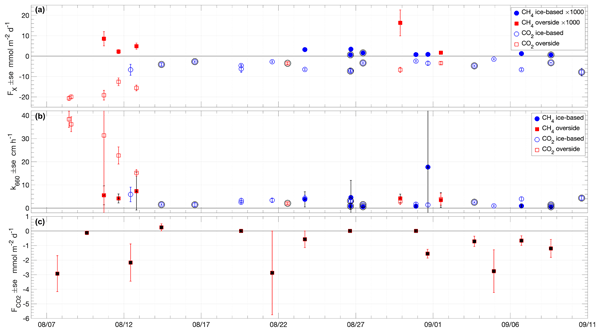
John Prytherch, Sonja Murto, Ian Brown, Adam Ulfsbo, Brett F. Thornton, Volker Brüchert, Michael Tjernström, Anna Lunde Hermansson, Amanda T. Nylund, and Lina A. Holthusen
Biogeosciences, 21, 671–688, https://doi.org/10.5194/bg-21-671-2024, https://doi.org/10.5194/bg-21-671-2024, 2024
Short summary
Short summary
We directly measured methane and carbon dioxide exchange between ocean or sea ice and the atmosphere during an icebreaker-based expedition to the central Arctic Ocean (CAO) in summer 2021. These measurements can help constrain climate models and carbon budgets. The methane measurements, the first such made in the CAO, are lower than previous estimates and imply that the CAO is an insignificant contributor to Arctic methane emission. Gas exchange rates are slower than previous estimates.
Samuel Mintah Ayim and Oliver Wurl
EGUsphere, https://doi.org/10.5194/egusphere-2026-4866, https://doi.org/10.5194/egusphere-2026-4866, 2026
This preprint is open for discussion and under review for Ocean Science (OS).
Short summary
Short summary
We investigated whether small-scale changes in seawater properties at the ocean surface reflect those below. An autonomous surface vehicle measured water density at the ultra-thin skin layer and one meter deep in the German Bight. Skin density patterns frequently differed from the underlying water and were driven more by salinity than temperature. This suggests that satellite observations of the ocean skin may not accurately represent underlying water dynamics in complex coastal waters.
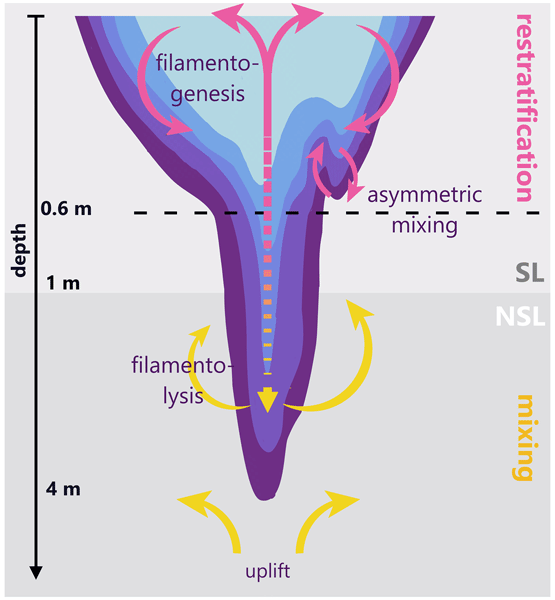
Michelle Albinus, Thomas H. Badewien, Lisa Gassen, Oliver Wurl, and Jens Meyerjürgens
Ocean Sci., 22, 2143–2160, https://doi.org/10.5194/os-22-2143-2026, https://doi.org/10.5194/os-22-2143-2026, 2026
Short summary
Short summary
This study reveals the structure and alteration of a narrow freshwater-driven ocean low-density filament and its evolution through tidal modulationa an dlocale filament kinematics. Using multi-platform in situ observations, it is shown that these submesoscale features can rapidly being altered and reshape in near-surface waters, influencing how energy and heat alter just below the ocean-atmosphere interface.
Lisa Deyle, Grete Boskamp, Jens Meyerjürgens, Lars Umlauf, and Thomas H. Badewien
EGUsphere, https://doi.org/10.5194/egusphere-2026-3332, https://doi.org/10.5194/egusphere-2026-3332, 2026
Short summary
Short summary
Using drifting instruments, we observed conditions in the upper two metres of the ocean in the German Bight during calm, sunny weather. Strong layering developed, with pronounced temperature and salinity differences over short vertical distances and rapid small-scale variability. A model captured the overall warming but did not reproduce these fine-scale structures. These observations improve our understanding of air–sea exchange and the representation of near-surface processes in ocean models.
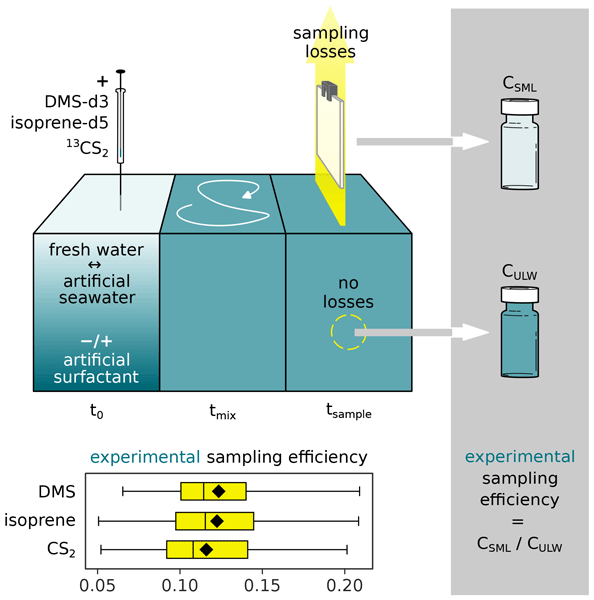
Lea Lange, Dennis Booge, Hendrik Feil, Josefine Karnatz, Ina Stoltenberg, Hermann W. Bange, and Christa A. Marandino
Biogeosciences, 23, 3517–3539, https://doi.org/10.5194/bg-23-3517-2026, https://doi.org/10.5194/bg-23-3517-2026, 2026
Short summary
Short summary
Many gases formed and destroyed in the ocean influence climate and air quality, with evidence that these processes also happen in the skin of the ocean. Studies of this thin upper layer use specialized sampling equipment, which is known to cause losses of the gases. We performed lab experiments to quantify these losses for three gases and found that 13 % remain after sampling. With further tests, our results can be used to obtain reliable gas measurements in the field, which have been elusive.
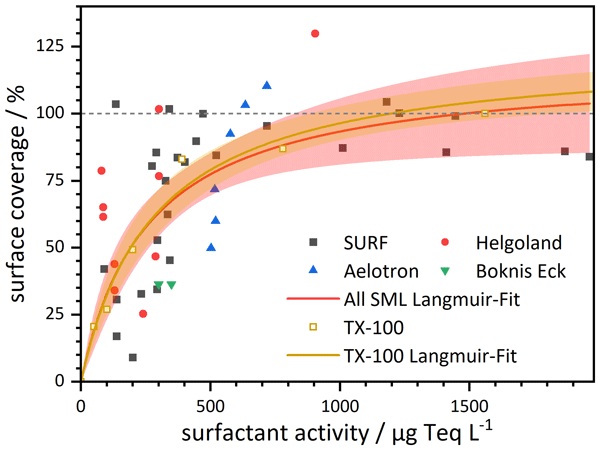
Falko Asmussen-Schäfer, Mariana Ribas-Ribas, Oliver Wurl, and Gernot Friedrichs
Biogeosciences, 23, 3159–3178, https://doi.org/10.5194/bg-23-3159-2026, https://doi.org/10.5194/bg-23-3159-2026, 2026
Short summary
Short summary
We developed an approach to quantify how molecules accumulate at the ocean surface on a nanometer scale. By combining laser spectroscopy with an electrochemical technique, we determined how densely these molecular films cover the water surface. Such single-molecule-thick layers can strongly affect gas transfer between the ocean and the atmosphere. Comparing our measurements with existing datasets allowed us to generate an initial global estimate of surfactant surface coverage potential.
Pratirupa Bardhan, Claudia Frey, Gregor Rehder, and Hermann W. Bange
Biogeosciences, 23, 1987–2002, https://doi.org/10.5194/bg-23-1987-2026, https://doi.org/10.5194/bg-23-1987-2026, 2026
Short summary
Short summary
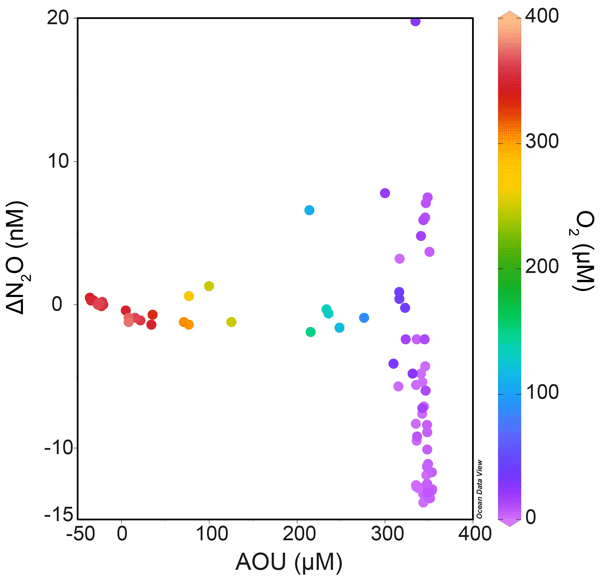
Nitrous oxide (N2O), a potent greenhouse gas, is released from coastal seas & estuaries, yet we don't fully understand how it is formed and consumed. In this study we collected water from several sites in the central Baltic Sea. N2O came from ammonia in oxic waters. Deep waters with low to no oxygen noted more active N2O cycling. The seafloor was a source in some areas. Typically N2O is produced by bacteria, but our results indicate possibility of other players like fungi or chemical reactions.

Amavi Silva, Surandokht Nikzad, Theresa Barthelmeß, Anja Engel, Hartmut Herrmann, Manuela van Pinxteren, Kai Wirtz, Oliver Wurl, and Markus Schartau
Biogeosciences, 23, 1697–1718, https://doi.org/10.5194/bg-23-1697-2026, https://doi.org/10.5194/bg-23-1697-2026, 2026
Short summary
Short summary
We conducted the first meta-analysis combining marine and freshwater studies to understand organic matter enrichment in the surface microlayer. Nitrogen-rich, particulate compounds are often enriched, with patterns varying by multiple factors. We recommend tracking both absolute concentrations and normalized enrichment patterns to better assess ecological conditions. Our study also introduces improved statistical methods for analyzing and comparing surface microlayer data.
Ina Stoltenberg, Lea Lange, and Hermann W. Bange
Biogeosciences, 23, 1515–1525, https://doi.org/10.5194/bg-23-1515-2026, https://doi.org/10.5194/bg-23-1515-2026, 2026
Short summary
Short summary
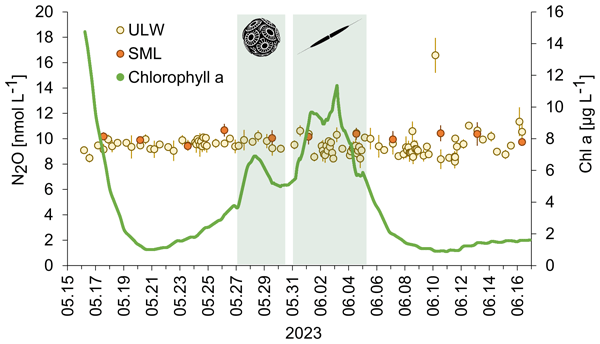
In order to decipher the effect of a phytoplankton bloom on N2O, dissolved N2O was measured in the upper 1 mm of the water column (seasurface microlayer) and in the underlying water during a mesocosm study. N2O concentrations were slightly enriched in the microlayer compared to the underlying water and were apparently not affected by irradiation and a phytoplankton bloom. Our results indicate that the role of the surface microlayer for N2O cycling has been overlooked so far.

Carsten Rauch, Lisa Deyle, Leonie Jaeger, Edgar Fernando Cortés-Espinoza, Mariana Ribas-Ribas, Josefine Karnatz, Anja Engel, and Oliver Wurl
Ocean Sci., 22, 403–426, https://doi.org/10.5194/os-22-403-2026, https://doi.org/10.5194/os-22-403-2026, 2026
Short summary
Short summary
Microsensors measuring oxygen and temperature were used to gain high-resolution profiles across the surface of a water basin, in which an algal bloom was induced. These novel data show that the oxygen at the sea surface is highly influenced by algal blooms, while the temperature is only indirectly affected by them. Since algal blooms occur globally, this has considerable implications for calculating global air-sea exchanges of gases or heat, especially under low-wind conditions.
Joachim Schönfeld, Hermann W. Bange, Helmke Hepach, and Svenja Reents
Biogeosciences, 23, 421–440, https://doi.org/10.5194/bg-23-421-2026, https://doi.org/10.5194/bg-23-421-2026, 2026
Short summary
Short summary
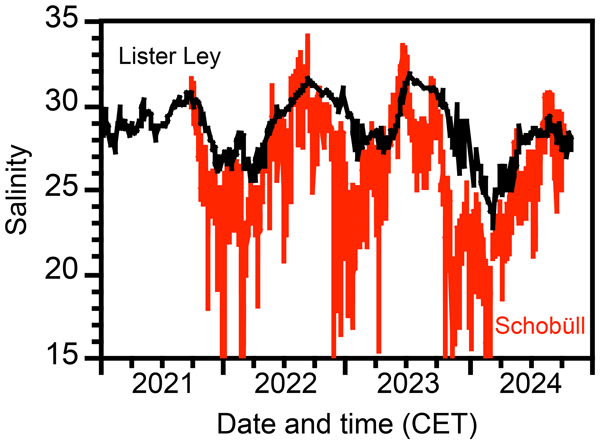
The current state of intertidal waters at Bottsand lagoon on the Baltic Sea coast, and on the mudflats off Schobüll on the North Sea coast of Schleswig-Holstein, Germany was assessed with a 36-month time series of water level, temperature, and salinity measurements. Periods of strong precipitation, high Elbe river discharge, and high solar radiation caused a higher data variability as compared to the off shore monitoring stations Boknis Eck in the Baltic and Sylt Roads in the North Sea.
Ander López-Puertas, Oliver Wurl, Sanja Frka, and Mariana Ribas-Ribas
Ocean Sci., 21, 3471–3485, https://doi.org/10.5194/os-21-3471-2025, https://doi.org/10.5194/os-21-3471-2025, 2025
Short summary
Short summary
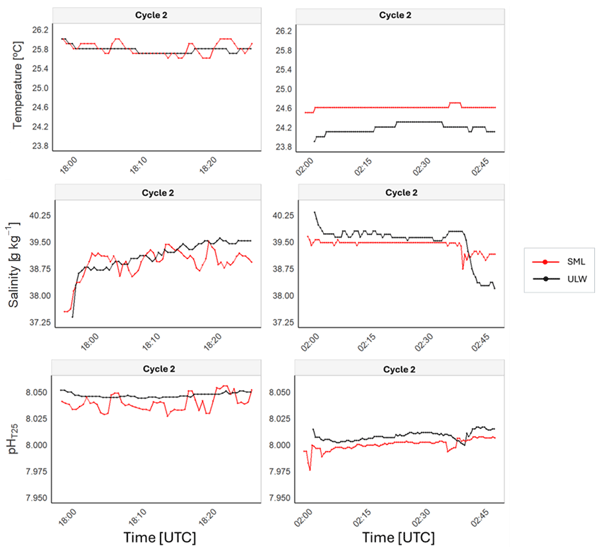
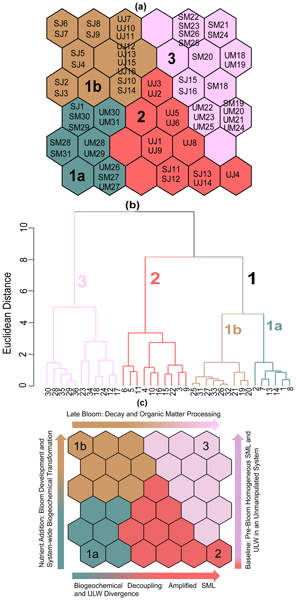
We studied how daily cycles affect inorganic carbon variables in the ocean's surface microlayer. Using data from three full days and nights off the Croatian coast, we found that thermohaline properties and key indicators like pH and pCO₂ change significantly from day to night. Ignoring nighttime conditions may lead to global carbon budget errors and highlights the need for continuous ocean observations.
Riaz Bibi, Mariana Ribas-Ribas, Leonie Jaeger, Carola Lehners, Lisa Gassen, Edgar Fernando Cortés-Espinoza, Jochen Wollschläger, Claudia Thölen, Hannelore Waska, Jasper Zöbelein, Thorsten Brinkhoff, Isha Athale, Rüdiger Röttgers, Michael Novak, Anja Engel, Theresa Barthelmeß, Josefine Karnatz, Thomas Reinthaler, Dmytro Spriahailo, Gernot Friedrichs, Falko Asmussen Schäfer, and Oliver Wurl
Biogeosciences, 22, 7563–7589, https://doi.org/10.5194/bg-22-7563-2025, https://doi.org/10.5194/bg-22-7563-2025, 2025
Short summary
Short summary
A multidisciplinary mesocosm study was conducted to investigate biogeochemical processes and their relationships in the sea-surface microlayer and underlying water during an induced phytoplankton bloom. Phytoplankton-derived organic matter, fuelled microbial activity and biofilm formation, supporting high bacterial abundance. Distinct temporal patterns in biogeochemical parameters and greater variability in the sea-surface microlayer highlight its influence on air–sea interactions.
Edgar Fernando Cortés-Espinoza, Alisa Wüst, Ander Lopéz-Puertas, Oliver Wurl, José Martín Hernández-Ayón, Hannelore Waska, and Mariana Ribas-Ribas
EGUsphere, https://doi.org/10.5194/egusphere-2025-5265, https://doi.org/10.5194/egusphere-2025-5265, 2025
Short summary
Short summary
In a mesocosm experiment, we measured carbon system variables to examine how organic matter accumulation increases organic alkalinity and alters seawater pH in the sea-surface microlayer and underlying water during an induced phytoplankton bloom. Organic alkalinity was consistently higher in the sea-surface microlayer, and during bloom peak its pH effect extended into the underlying water, reducing and sometimes reversing surface–subsurface pH differences.
Lisa Gassen, Samuel M. Ayim, Leonie Jaeger, Jens Meyerjürgens, Mariana Ribas-Ribas, and Oliver Wurl
Ocean Sci., 21, 2787–2804, https://doi.org/10.5194/os-21-2787-2025, https://doi.org/10.5194/os-21-2787-2025, 2025
Short summary
Short summary
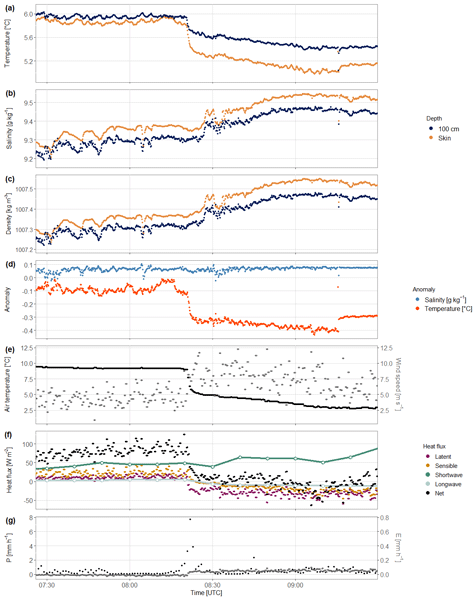
This study investigates how abrupt weather changes, such as shifts in air temperature, wind speed and precipitation, impact temperature and salinity in the ocean’s skin layer (upper first millimetre). Two events in the harbour of Bremerhaven and one event in the North Sea revealed that the skin layer reacts instantly, with greater temperature changes than those at a depth of 100 cm, underscoring its key role in air-sea interactions and climate dynamics.
Gesa Schulz, Kirstin Dähnke, Tina Sanders, Jan Penopp, Hermann W. Bange, Rena Czeschel, and Birgit Gaye
Biogeosciences, 22, 5943–5959, https://doi.org/10.5194/bg-22-5943-2025, https://doi.org/10.5194/bg-22-5943-2025, 2025
Short summary
Short summary
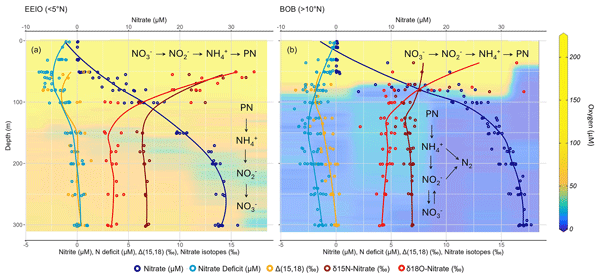
Oxygen-minimum zones (OMZs) are low-oxygen ocean areas that deplete nitrogen, a key marine nutrient. Understanding nitrogen cycling in OMZs is crucial for the global nitrogen cycle. This study examined nitrogen cycling in the OMZ of the Bay of Bengal and the East Equatorial Indian Ocean, revealing limited mixing between both regions. Surface phytoplankton consumes nitrate, while deeper nitrification recycles nitrogen. In the BoB’s OMZ (100–300 m), nitrogen loss likely occurs via anammox.
Corina Wieber, Lasse Z. Jensen, Leendert Vergeynst, Lorenz Meire, Thomas Juul-Pedersen, Kai Finster, and Tina Šantl-Temkiv
Atmos. Chem. Phys., 25, 3327–3346, https://doi.org/10.5194/acp-25-3327-2025, https://doi.org/10.5194/acp-25-3327-2025, 2025
Short summary
Short summary
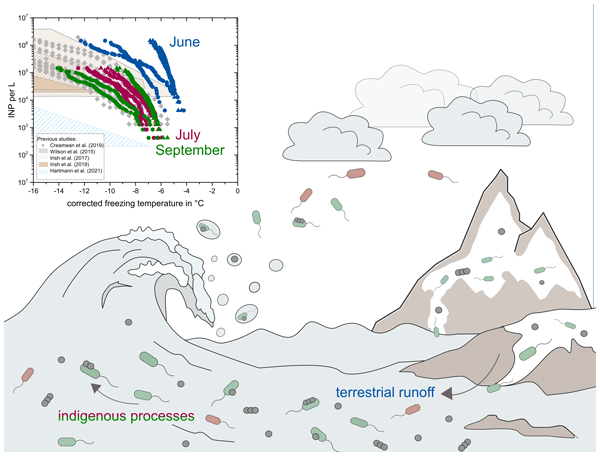
The Arctic region is subject to profound changes due to a warming climate. Ice-nucleating particles (INPs) in the seawater can get transported to the atmosphere and impact cloud formation. However, the sources of characteristics of INPs in the marine areas are poorly understood. We investigated the INPs in seawater from Greenlandic fjords and identified a seasonal variability, with highly active INPs originating from terrestrial sources such as glacial and soil runoff.

Lasse Z. Jensen, Julie K. Simonsen, Ada Pastor, Christof Pearce, Per Nørnberg, Lars Chresten Lund-Hansen, Kai Finster, and Tina Šantl-Temkiv
Aerosol Research, 3, 81–100, https://doi.org/10.5194/ar-3-81-2025, https://doi.org/10.5194/ar-3-81-2025, 2025
Short summary
Short summary
Our study explores particles in Arctic soils and streams that influence ice formation in clouds. By analyzing these environments, we identified specific microorganisms producing these particles. This research, which measured these particles in Arctic streams for the first time, provides new insights into their ecological role and transfer from soil to water. Our findings help us understand their production, sources, and potential impact on climate.

Johnathan Daniel Maxey, Neil D. Hartstein, Hermann W. Bange, and Moritz Müller
Biogeosciences, 21, 5613–5637, https://doi.org/10.5194/bg-21-5613-2024, https://doi.org/10.5194/bg-21-5613-2024, 2024
Short summary
Short summary
The distribution of N2O in fjord-like estuaries is poorly described in the Southern Hemisphere. Our study describes N2O distribution and its drivers in one such system in Macquarie Harbour, Tasmania. Water samples were collected seasonally in 2022 and 2023. Results show the system removes atmospheric N2O when river flow is high, whereas the system emits N2O when the river flow is low. N2O generated in basins is intercepted by the surface water and exported to the ocean during high river flow.
Riel Carlo O. Ingeniero, Gesa Schulz, and Hermann W. Bange
Biogeosciences, 21, 3425–3440, https://doi.org/10.5194/bg-21-3425-2024, https://doi.org/10.5194/bg-21-3425-2024, 2024
Short summary
Short summary
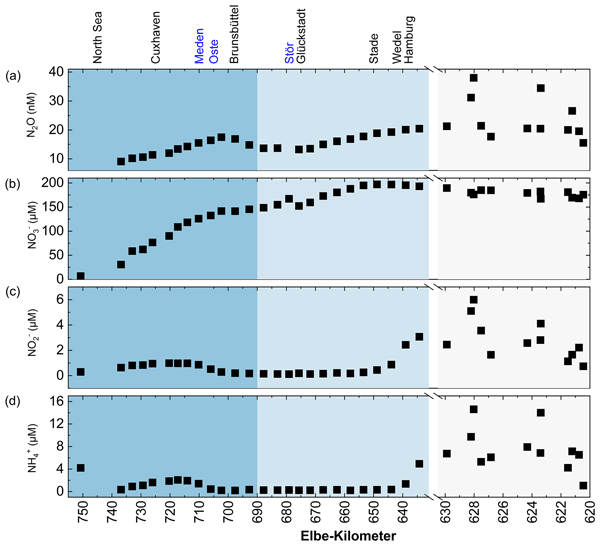
Our research is the first to measure dissolved NO concentrations in temperate estuarine waters, providing insights into its distribution under varying conditions and enhancing our understanding of its production processes. Dissolved NO was supersaturated in the Elbe Estuary, indicating that it is a source of atmospheric NO. The observed distribution of dissolved NO most likely resulted from nitrification.

Hanqin Tian, Naiqing Pan, Rona L. Thompson, Josep G. Canadell, Parvadha Suntharalingam, Pierre Regnier, Eric A. Davidson, Michael Prather, Philippe Ciais, Marilena Muntean, Shufen Pan, Wilfried Winiwarter, Sönke Zaehle, Feng Zhou, Robert B. Jackson, Hermann W. Bange, Sarah Berthet, Zihao Bian, Daniele Bianchi, Alexander F. Bouwman, Erik T. Buitenhuis, Geoffrey Dutton, Minpeng Hu, Akihiko Ito, Atul K. Jain, Aurich Jeltsch-Thömmes, Fortunat Joos, Sian Kou-Giesbrecht, Paul B. Krummel, Xin Lan, Angela Landolfi, Ronny Lauerwald, Ya Li, Chaoqun Lu, Taylor Maavara, Manfredi Manizza, Dylan B. Millet, Jens Mühle, Prabir K. Patra, Glen P. Peters, Xiaoyu Qin, Peter Raymond, Laure Resplandy, Judith A. Rosentreter, Hao Shi, Qing Sun, Daniele Tonina, Francesco N. Tubiello, Guido R. van der Werf, Nicolas Vuichard, Junjie Wang, Kelley C. Wells, Luke M. Western, Chris Wilson, Jia Yang, Yuanzhi Yao, Yongfa You, and Qing Zhu
Earth Syst. Sci. Data, 16, 2543–2604, https://doi.org/10.5194/essd-16-2543-2024, https://doi.org/10.5194/essd-16-2543-2024, 2024
Short summary
Short summary
Atmospheric concentrations of nitrous oxide (N2O), a greenhouse gas 273 times more potent than carbon dioxide, have increased by 25 % since the preindustrial period, with the highest observed growth rate in 2020 and 2021. This rapid growth rate has primarily been due to a 40 % increase in anthropogenic emissions since 1980. Observed atmospheric N2O concentrations in recent years have exceeded the worst-case climate scenario, underscoring the importance of reducing anthropogenic N2O emissions.
Corina Wieber, Mads Rosenhøj Jeppesen, Kai Finster, Claus Melvad, and Tina Šantl-Temkiv
Atmos. Meas. Tech., 17, 2707–2719, https://doi.org/10.5194/amt-17-2707-2024, https://doi.org/10.5194/amt-17-2707-2024, 2024
Short summary
Short summary
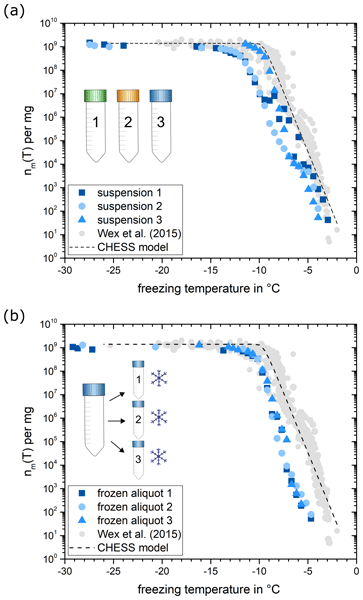
We developed a novel instrument to determine the quality and number of biological and non-biological particles, with respect to their ice-promoting capacity as a function of temperature. The measurement uncertainty was determined, and the instrument produced reliable results. Further, repeated measurements of the same suspension showed that the instrument had high reproducibility.
Lisa Deyle, Thomas H. Badewien, Oliver Wurl, and Jens Meyerjürgens
Earth Syst. Sci. Data, 16, 2099–2112, https://doi.org/10.5194/essd-16-2099-2024, https://doi.org/10.5194/essd-16-2099-2024, 2024
Short summary
Short summary
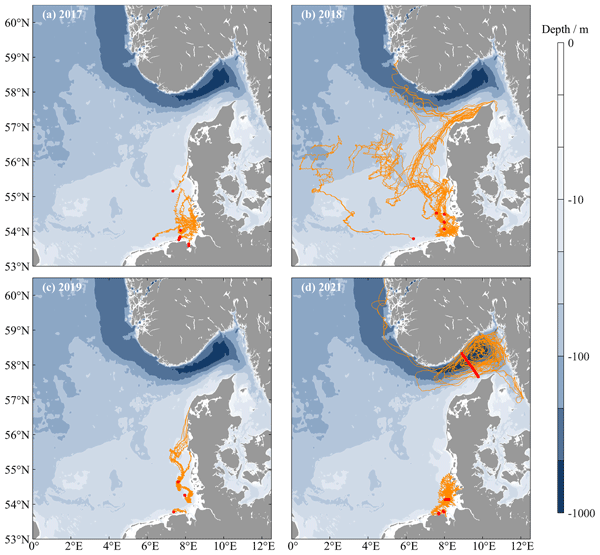
A dataset from the North Sea of 85 surface drifters from 2017–2021 is presented. Surface drifters enable the analysis of ocean currents by determining the velocities of surface currents and tidal effects. The entire North Sea has not been studied using drifters before, but the analysis of ocean currents is essential, e.g., to understand the pathways of plastic. The results show that there are strong tidal effects in the shallow North Sea area and strong surface currents in the deep areas.
John Prytherch, Sonja Murto, Ian Brown, Adam Ulfsbo, Brett F. Thornton, Volker Brüchert, Michael Tjernström, Anna Lunde Hermansson, Amanda T. Nylund, and Lina A. Holthusen
Biogeosciences, 21, 671–688, https://doi.org/10.5194/bg-21-671-2024, https://doi.org/10.5194/bg-21-671-2024, 2024
Short summary
Short summary
We directly measured methane and carbon dioxide exchange between ocean or sea ice and the atmosphere during an icebreaker-based expedition to the central Arctic Ocean (CAO) in summer 2021. These measurements can help constrain climate models and carbon budgets. The methane measurements, the first such made in the CAO, are lower than previous estimates and imply that the CAO is an insignificant contributor to Arctic methane emission. Gas exchange rates are slower than previous estimates.
Gesa Schulz, Tina Sanders, Yoana G. Voynova, Hermann W. Bange, and Kirstin Dähnke
Biogeosciences, 20, 3229–3247, https://doi.org/10.5194/bg-20-3229-2023, https://doi.org/10.5194/bg-20-3229-2023, 2023
Short summary
Short summary
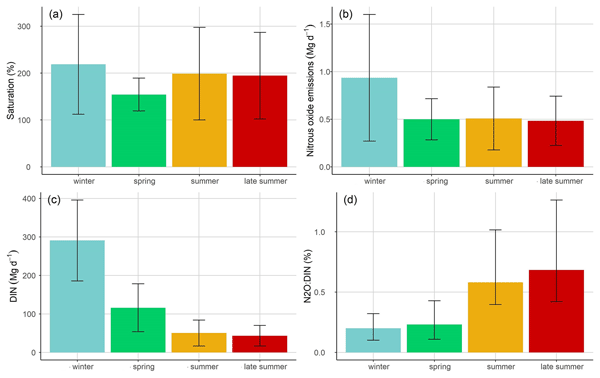
Nitrous oxide (N2O) is an important greenhouse gas. However, N2O emissions from estuaries underlie significant uncertainties due to limited data availability and high spatiotemporal variability. We found the Elbe Estuary (Germany) to be a year-round source of N2O, with the highest emissions in winter along with high nitrogen loads. However, in spring and summer, N2O emissions did not decrease alongside lower nitrogen loads because organic matter fueled in situ N2O production along the estuary.
Guanlin Li, Damian L. Arévalo-Martínez, Riel Carlo O. Ingeniero, and Hermann W. Bange
EGUsphere, https://doi.org/10.5194/egusphere-2023-771, https://doi.org/10.5194/egusphere-2023-771, 2023
Preprint archived
Short summary
Short summary
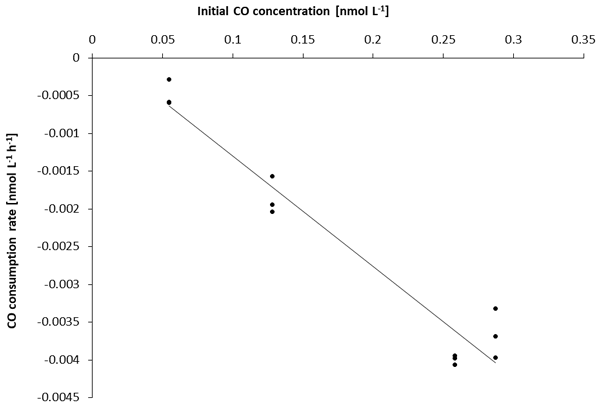
Dissolved carbon monoxide (CO) surface concentrations were first measured at 14 stations in the Ria Formosa Lagoon system in May 2021. Ria Formosa was a source of atmospheric CO. Microbial consumption accounted for 83 % of the CO production. The results of a 48-hour irradiation experiment with aquaculture effluent water indicated that aquaculture facilities in the Ria Formosa Lagoon seem to be a negligible source of atmospheric CO.
Hanna I. Campen, Damian L. Arévalo-Martínez, and Hermann W. Bange
Biogeosciences, 20, 1371–1379, https://doi.org/10.5194/bg-20-1371-2023, https://doi.org/10.5194/bg-20-1371-2023, 2023
Short summary
Short summary
Carbon monoxide (CO) is a climate-relevant trace gas emitted from the ocean. However, oceanic CO cycling is understudied. Results from incubation experiments conducted in the Fram Strait (Arctic Ocean) indicated that (i) pH did not affect CO cycling and (ii) enhanced CO production and consumption were positively correlated with coloured dissolved organic matter and nitrate concentrations. This suggests microbial CO uptake to be the driving factor for CO cycling in the Arctic Ocean.
Damian L. Arévalo-Martínez, Amir Haroon, Hermann W. Bange, Ercan Erkul, Marion Jegen, Nils Moosdorf, Jens Schneider von Deimling, Christian Berndt, Michael Ernst Böttcher, Jasper Hoffmann, Volker Liebetrau, Ulf Mallast, Gudrun Massmann, Aaron Micallef, Holly A. Michael, Hendrik Paasche, Wolfgang Rabbel, Isaac Santos, Jan Scholten, Katrin Schwalenberg, Beata Szymczycha, Ariel T. Thomas, Joonas J. Virtasalo, Hannelore Waska, and Bradley A. Weymer
Biogeosciences, 20, 647–662, https://doi.org/10.5194/bg-20-647-2023, https://doi.org/10.5194/bg-20-647-2023, 2023
Short summary
Short summary
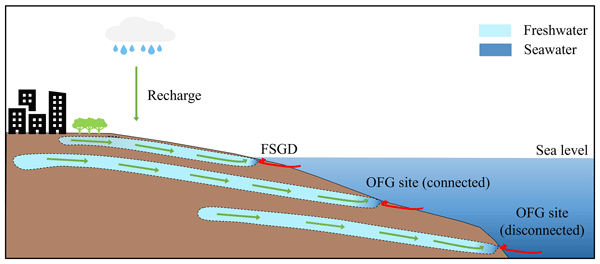
Groundwater flows at the land–ocean transition and the extent of freshened groundwater below the seafloor are increasingly relevant in marine sciences, both because they are a highly uncertain term of biogeochemical budgets and due to the emerging interest in the latter as a resource. Here, we discuss our perspectives on future research directions to better understand land–ocean connectivity through groundwater and its potential responses to natural and human-induced environmental changes.
Dirk S. van Maren, Christian Maushake, Jan-Willem Mol, Daan van Keulen, Jens Jürges, Julia Vroom, Henk Schuttelaars, Theo Gerkema, Kirstin Schulz, Thomas H. Badewien, Michaela Gerriets, Andreas Engels, Andreas Wurpts, Dennis Oberrecht, Andrew J. Manning, Taylor Bailey, Lauren Ross, Volker Mohrholz, Dante M. L. Horemans, Marius Becker, Dirk Post, Charlotte Schmidt, and Petra J. T. Dankers
Earth Syst. Sci. Data, 15, 53–73, https://doi.org/10.5194/essd-15-53-2023, https://doi.org/10.5194/essd-15-53-2023, 2023
Short summary
Short summary
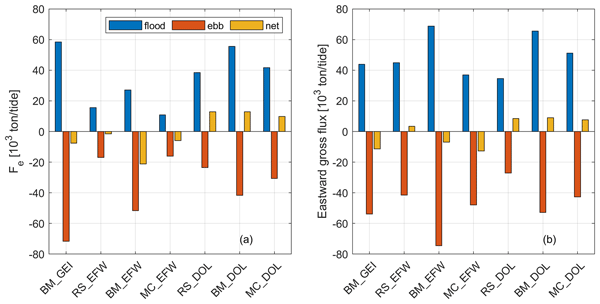
This paper reports on the main findings of a large measurement campaign aiming to better understand how an exposed estuary (the Ems Estuary on the Dutch–German border) interacts with a tidal river (the lower Ems River). Eight simultaneously deployed ships measuring a tidal cycle and 10 moorings collecting data throughout a spring–neap tidal cycle have produced a dataset providing valuable insight into processes determining exchange of water and sediment between the two systems.

Sonja Gindorf, Hermann W. Bange, Dennis Booge, and Annette Kock
Biogeosciences, 19, 4993–5006, https://doi.org/10.5194/bg-19-4993-2022, https://doi.org/10.5194/bg-19-4993-2022, 2022
Short summary
Short summary
Methane is a climate-relevant greenhouse gas which is emitted to the atmosphere from coastal areas such as the Baltic Sea. We measured the methane concentration in the water column of the western Kiel Bight. Methane concentrations were higher in September than in June. We found no relationship between the 2018 European heatwave and methane concentrations. Our results show that the methane distribution in the water column is strongly affected by temporal and spatial variabilities.
Manuela van Pinxteren, Tiera-Brandy Robinson, Sebastian Zeppenfeld, Xianda Gong, Enno Bahlmann, Khanneh Wadinga Fomba, Nadja Triesch, Frank Stratmann, Oliver Wurl, Anja Engel, Heike Wex, and Hartmut Herrmann
Atmos. Chem. Phys., 22, 5725–5742, https://doi.org/10.5194/acp-22-5725-2022, https://doi.org/10.5194/acp-22-5725-2022, 2022
Short summary
Short summary
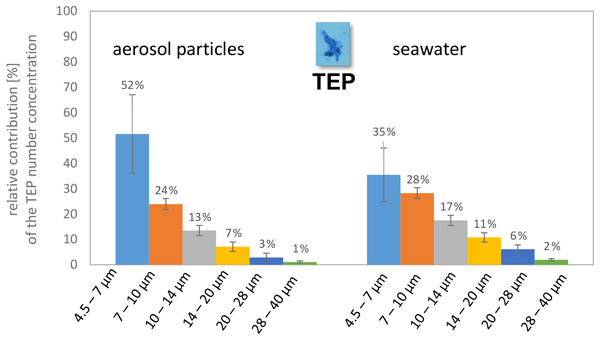
A class of marine particles (transparent exopolymer particles, TEPs) that is ubiquitously found in the world oceans was measured for the first time in ambient marine aerosol particles and marine cloud waters in the tropical Atlantic Ocean. TEPs are likely to have good properties for influencing clouds. We show that TEPs are transferred from the ocean to the marine atmosphere via sea-spray formation and our results suggest that they can also form directly in aerosol particles and in cloud water.
Yanan Zhao, Dennis Booge, Christa A. Marandino, Cathleen Schlundt, Astrid Bracher, Elliot L. Atlas, Jonathan Williams, and Hermann W. Bange
Biogeosciences, 19, 701–714, https://doi.org/10.5194/bg-19-701-2022, https://doi.org/10.5194/bg-19-701-2022, 2022
Short summary
Short summary
We present here, for the first time, simultaneously measured dimethylsulfide (DMS) seawater concentrations and DMS atmospheric mole fractions from the Peruvian upwelling region during two cruises in December 2012 and October 2015. Our results indicate low oceanic DMS concentrations and atmospheric DMS molar fractions in surface waters and the atmosphere, respectively. In addition, the Peruvian upwelling region was identified as an insignificant source of DMS emissions during both periods.
Wangwang Ye, Hermann W. Bange, Damian L. Arévalo-Martínez, Hailun He, Yuhong Li, Jianwen Wen, Jiexia Zhang, Jian Liu, Man Wu, and Liyang Zhan
Biogeosciences Discuss., https://doi.org/10.5194/bg-2021-334, https://doi.org/10.5194/bg-2021-334, 2022
Manuscript not accepted for further review
Short summary
Short summary
CH4 is the second important greenhouse gas after CO2. We show that CH4 consumption and sea-ice melting influence the CH4 distribution in the Ross Sea (Southern Ocean), causing undersaturation and net uptake of CH4 during summertime. This study confirms the capability of surface water in the high-latitude Southern Ocean regions to take up atmospheric CH4 which, in turn, will help to improve predictions of how CH4 release/uptake from the ocean will develop when sea-ice retreats in the future.
Cited articles
Aslam, S. N., Cresswell-Maynard, T., Thomas, D. N., and Underwood, G. J. C.: Production and Characterization of the Intra- and Extracellular Carbohydrates and Polymeric Substances (EPS) of Three Sea-Ice Diatom Species, and Evidence for a Cryoprotective Role for EPS, J. Phycol., 48, 1494–1509, https://doi.org/10.1111/jpy.12004, 2012.
Assmy, P., Fernández-Méndez, M., Duarte, P., Meyer, A., Randelhoff, A., Mundy, C. J., Olsen, L. M., Kauko, H. M., Bailey, A., Chierici, M., Cohen, L., Doulgeris, A. P., Ehn, J. K., Fransson, A., Gerland, S., Hop, H., Hudson, S. R., Hughes, N., Itkin, P., Johnsen, G., King, J. A., Koch, B. P., Koenig, Z., Kwasniewski, S., Laney, S. R., Nicolaus, M., Pavlov, A. K., Polashenski, C. M., Provost, C., Rösel, A., Sandbu, M., Spreen, G., Smedsrud, L. H., Sundfjord, A., Taskjelle, T., Tatarek, A., Wiktor, J., Wagner, P. M., Wold, A., Steen, H., and Granskog, M. A.: Leads in Arctic pack ice enable early phytoplankton blooms below snow-covered sea ice, Sci. Rep., 7, 40850, https://doi.org/10.1038/srep40850, 2017.
Bakker, D. C. E., Bange, H. W., Gruber, N., Johannessen, T., Upstill-Goddard, R. C., Borges, A. V., Delille, B., Löscher, C. R., Naqvi, S. W. A., Omar, A. M., and Santana-Casiano, J. M.: Air-Sea Interactions of Natural Long-Lived Greenhouse Gases (CO2, N2O, CH4) in a Changing Climate, in: Ocean-atmosphere interactions of gases and particles, edited by: Liss, P. and Liss, P. S., Springer Open, Heidelberg, 113–169, https://doi.org/10.1007/978-3-642-25643-1, 2014.
Barnes, R. O. and Goldberg, E. D.: Methane production and consumption in anoxic marine sediments, Geology, 4, 297, https://doi.org/10.1130/0091-7613(1976)4<297:MPACIA>2.0.CO;2, 1976.
Beszczynska-Möller, A., Fahrbach, E., Schauer, U., and Hansen, E.: Variability in Atlantic water temperature and transport at the entrance to the Arctic Ocean, 1997–2010, ICES J. Mar. Sci., 69, 852–863, https://doi.org/10.1093/icesjms/fss056, 2012.
Bilt, W., Bakke, J., Smedsrud, L., Sund, M., Schuler, T., Westermann, S., Wong, W., Sandven, S., Simpson, M., Skogen, M., Pavlova, O., Ravndal, O., Risebrobakken, B., Saloranta, T., Mezghani, A., Nilsen, F., Nilsen, J., Nilsen, I., Kierulf, H., Kohler, J., Li, H., Lutz, J., and Sorteberg, A.: Climate in Svalbard 2100 – a knowledge base for climate adaptation, Nor. Klimaservicesenter, Norwegian Centre for Climate Services Reports, 105 pp., https://nva.sikt.no/registration/0198cc5ecceb-273f3534-66a4-463c-ab9f-87219bcfcc62 (last access: June 2025), 2019.
Bižić, M., Klintzsch, T., Ionescu, D., Hindiyeh, M. Y., Günthel, M., Muro-Pastor, A. M., Eckert, W., Urich, T., Keppler, F., and Grossart, H.-P.: Aquatic and terrestrial cyanobacteria produce methane, Sci. Adv., 6, eaax5343, https://doi.org/10.1126/sciadv.aax5343, 2020.
Brockmann, U. H., Huhnerfuss, H., Kattner, G., Broecker, H., and Hentzschel, G.: Artificial surface films in the sea area near Sylt1, Limnol. Oceanogr., 27, 1050–1058, https://doi.org/10.4319/lo.1982.27.6.1050, 1982.
Broecker, H., Petermann, J., and Siems, W.: The influence of wind on CO2-exchange in a wind-wave tunnel, including the effects of monolayers, J. Mar. Res., 36, https://elischolar.library.yale.edu/journal_of_marine_research/1445 (last access: November 2025), 1978.
Butterworth, B. J. and Miller, S. D.: Air-sea exchange of carbon dioxide in the Southern Ocean and Antarctic marginal ice zone, Geophys. Res. Lett., 43, 7223–7230, https://doi.org/10.1002/2016GL069581, 2016.
Cantera, J. J. L. and Stein, L. Y.: Role of nitrite reductase in the ammonia-oxidizing pathway of Nitrosomonas europaea, Arch. Microbiol., 188, 349–354, https://doi.org/10.1007/s00203-007-0255-4, 2007.
Castillo, C. R., Sarmento, H., Álvarez-Salgado, X. A., Gasol, J. M., and Marraséa, C.: Production of chromophoric dissolved organic matter by marine phytoplankton, Limnol. Oceanogr., 55, 446–454, https://doi.org/10.4319/lo.2010.55.1.0446, 2010.
Chen, Y. and Wang, F.: Insights on nitrate respiration by Shewanella, Front. Mar. Sci., 1, https://doi.org/10.3389/fmars.2014.00080, 2015.
Ćosović, B. and Vojvodić, V.: Voltammetric Analysis of Surface Active Substances in Natural Seawater, Electroanalysis, 10, 429–434, 1998.
Cramm, M. A., Neves, B. D. M., Manning, C. C. M., Oldenburg, T. B. P., Archambault, P., Chakraborty, A., Cyr-Parent, A., Edinger, E. N., Jaggi, A., Mort, A., Tortell, P., and Hubert, C. R. J.: Characterization of marine microbial communities around an Arctic seabed hydrocarbon seep at Scott Inlet, Baffin Bay, Sci. Total Environ., 762, 143961, https://doi.org/10.1016/j.scitotenv.2020.143961, 2021.
Cunliffe, M. and Wurl, O.: Guide to best practices to study the ocean's surface., Marine Biological Association of the United Kingdom for SCOR, https://doi.org/10.25607/OBP-1512, 2014.
Cunliffe, M., Engel, A., Frka, S., Gašparović, B., Guitart, C., Murrell, J. C., Salter, M., Stolle, C., Upstill-Goddard, R., and Wurl, O.: Sea surface microlayers: A unified physicochemical and biological perspective of the air–ocean interface, Prog. Oceanogr., 109, 104–116, https://doi.org/10.1016/j.pocean.2012.08.004, 2013.
Dalsgaard, T., Stewart, F. J., Thamdrup, B., De Brabandere, L., Revsbech, N. P., Ulloa, O., Canfield, D. E., and DeLong, E. F.: Oxygen at Nanomolar Levels Reversibly Suppresses Process Rates and Gene Expression in Anammox and Denitrification in the Oxygen Minimum Zone off Northern Chile, mBio, 5, e01966-14, https://doi.org/10.1128/mBio.01966-14, 2014.
Damm, E., Kiene, R. P., Schwarz, J., Falck, E., and Dieckmann, G.: Methane cycling in Arctic shelf water and its relationship with phytoplankton biomass and DMSP, Mar. Chem., 109, 45–59, https://doi.org/10.1016/j.marchem.2007.12.003, 2008.
Damm, E., Helmke, E., Thoms, S., Schauer, U., Nöthig, E., Bakker, K., and Kiene, R. P.: Methane production in aerobic oligotrophic surface water in the central Arctic Ocean, Biogeosciences, 7, 1099–1108, https://doi.org/10.5194/bg-7-1099-2010, 2010.
Damm, E., Rudels, B., Schauer, U., Mau, S., and Dieckmann, G.: Methane excess in Arctic surface water- triggered by sea ice formation and melting, Sci. Rep., 5, 16179, https://doi.org/10.1038/srep16179, 2015a.
Damm, E., Thoms, S., Beszczynska-Möller, A., Nöthig, E. M., and Kattner, G.: Methane excess production in oxygen-rich polar water and a model of cellular conditions for this paradox, Polar Sci., 9, 327–334, https://doi.org/10.1016/j.polar.2015.05.001, 2015b.
E.U. Copernicus Marine Service Information: Arctic Ocean physics reanalysis, Marine Data Store (MDS), product ARCTIC_MULTIYEAR_PHY_002_003, https://doi.org/10.48670/moi-00007, 2025.
Fenwick, L., Capelle, D., Damm, E., Zimmermann, S., Williams, W. J., Vagle, S., and Tortell, P. D.: Methane and nitrous oxide distributions across the North American Arctic Ocean during summer, 2015, J. Geophys. Res. Oceans, 122, 390–412, https://doi.org/10.1002/2016JC012493, 2017.
Galgani, L., Piontek, J., and Engel, A.: Biopolymers form a gelatinous microlayer at the air-sea interface when Arctic sea ice melts, Sci. Rep., 6, 29465, https://doi.org/10.1038/srep29465, 2016.
Gao, Q., Leck, C., Rauschenberg, C., and Matrai, P. A.: On the chemical dynamics of extracellular polysaccharides in the high Arctic surface microlayer, Ocean Sci., 8, 401–418, https://doi.org/10.5194/os-8-401-2012, 2012.
Guo, H., Song, L., Wang, X., Huang, J., Zhang, X., Zhang, Y., Zhu, W., Song, W., Chen, H., Bo, J., Zhang, P., Cao, G., and Luo, Z.: Cold adaptation of harmful dinoflagellate facilitates their poleward colonization: Insights into extracellular polymeric substances and intracellular bio-macromolecules dynamics through in-situ FTIR imaging, Int. J. Biol. Macromol., 309, 143054, https://doi.org/10.1016/j.ijbiomac.2025.143054, 2025.
Harvey, G. W. and Burzell, L. A.: A SIMPLE MICROLAYER METHOD FOR SMALL SAMPLES1, Limnol. Oceanogr., 17, 156–157, https://doi.org/10.4319/lo.1972.17.1.0156, 1972.
Holthusen, L. A., Muchowski, J., Planat, N., Bange, H. W., and Wurl, O.: Surfactants in the Sea-Surface Microlayer and dissolved CH4 and N2O from expedition ARTofMELT, Arctic Ocean, 2023, Bolin Centre Database [data set], https://doi.org/10.17043/oden-artofmelt-2023-surfactants-1, 2025.
Holthusen, L. A., Planat, N., Asmussen, M., and Muchowski, J.: Oceanographic CTD data from vertical microstructure profiler (VMP) from expedition ARTofMELT, Arctic Ocean, 2023, Bolin Centre Database [data set], https://doi.org/10.17043/oden-artofmelt-2023-ctd-1, 2025.
Holthusen, L. A., Bange, H. W., Arévalo-Martínez, D. L., Badewien, T. H., Höfer, J., Löscher, C. R., Marín-Arias, C., Meyerjürgens, J., Schlangen, I., and Wurl, O.: Glacial meltwater drives high CH4 supersaturation in Maxwell Bay, King George Island (Southern Ocean), Limnol. Oceanogr. Lett., lol2.70045, https://doi.org/10.1002/lol2.70045, 2025.
Huang, J., Zhang, X., Zhang, Q., Lin, Y., Hao, M., Luo, Y., Zhao, Z., Yao, Y., Chen, X., Wang, L., Nie, S., Yin, Y., Xu, Y., and Zhang, J.: Recently amplified arctic warming has contributed to a continual global warming trend, Nat. Clim. Change, 7, 875–879, https://doi.org/10.1038/s41558-017-0009-5, 2017.
IPCC: Climate Change 2021: The Physical Science Basis. Contribution of Working Group I to the Sixth Assessment Report of the Intergovernmental Panel on Climate Change, edited by: Masson-Delmotte, V., Zhai, P., Pirani, A., Connors, S. L., Péan, C., Berger, S., Caud, N., Chen, Y., Goldfarb, L., Gomis, M. I., Huang, M., Leitzell, K., and Lonnoy, E., Cambridge University Press, Cambridge, United Kingdom and New York, NY, USA, 2391 pp., https://doi.org/10.1017/9781009157896, 2021.
James, R. H., Bousquet, P., Bussmann, I., Haeckel, M., Kipfer, R., Leifer, I., Niemann, H., Ostrovsky, I., Piskozub, J., Rehder, G., Treude, T., Vielstädte, L., and Greinert, J.: Effects of climate change on methane emissions from seafloor sediments in the Arctic Ocean: A review, Limnol. Oceanogr., 61, https://doi.org/10.1002/lno.10307, 2016.
Ji, Q., Buitenhuis, E., Suntharalingam, P., Sarmiento, J. L., and Ward, B. B.: Global Nitrous Oxide Production Determined by Oxygen Sensitivity of Nitrification and Denitrification, Glob. Biogeochem. Cycles, 32, 1790–1802, https://doi.org/10.1029/2018GB005887, 2018.
Karl, D. M., Beversdorf, L., Björkman, K. M., Church, M. J., Martinez, A., and Delong, E. F.: Aerobic production of methane in the sea, Nat. Geosci., 1, 473–478, https://doi.org/10.1038/ngeo234, 2008.
Kitidis, V., Upstill-Goddard, R. C., and Anderson, L. G.: Methane and nitrous oxide in surface water along the North-West Passage, Arctic Ocean, Mar. Chem., 121, 80–86, https://doi.org/10.1016/j.marchem.2010.03.006, 2010.
Knulst, J. C., Rosenberger, D., Thompson, B., and Paatero, J.: Intensive Sea Surface Microlayer Investigations of Open Leads in the Pack Ice during Arctic Ocean 2001 Expedition, Langmuir, 19, 10194–10199, https://doi.org/10.1021/la035069+, 2003.
Krembs, C., Eicken, H., Junge, K., and Deming, J. W.: High concentrations of exopolymeric substances in Arctic winter sea ice: implications for the polar ocean carbon cycle and cryoprotection of diatoms, Deep Sea Res. Part Oceanogr. Res. Pap., 49, 2163–2181, https://doi.org/10.1016/S0967-0637(02)00122-X, 2002.
Leck, C. and Bigg, E. K.: Biogenic particles in the surface microlayer and overlaying atmosphere in the central Arctic Ocean during summer, Tellus B Chem. Phys. Meteorol., 57, 305, https://doi.org/10.3402/tellusb.v57i4.16546, 2005.
Leon-Palmero, E., Morales-Baquero, R., Thamdrup, B., Löscher, C., and Reche, I.: Sunlight drives the abiotic formation of nitrous oxide in fresh and marine waters, Science, 387, 1198–1203, https://doi.org/10.1126/science.adq0302, 2025.
Li, J., Xu, M., Wang, J., Lan, C., and Lai, J.: Effects of nutrient limitation on cell growth, exopolysaccharide secretion and TEP production of Phaeocystis globosa, Mar. Environ. Res., 183, 105801, https://doi.org/10.1016/j.marenvres.2022.105801, 2023.
Li, Y., Fichot, C. G., Geng, L., Scarratt, M. G., and Xie, H.: The Contribution of Methane Photoproduction to the Oceanic Methane Paradox, Geophys. Res. Lett., 47, https://doi.org/10.1029/2020GL088362, 2020.
Liss, P. S. and Duce, R. A. (Eds.): The sea surface and global change, Cambridge University Press, Cambridge, New York, 519 pp., ISBN 978-0-521-56273-7, 1997.
Löscher, C. R., Kock, A., Könneke, M., LaRoche, J., Bange, H. W., and Schmitz, R. A.: Production of oceanic nitrous oxide by ammonia-oxidizing archaea, Biogeosciences, 9, 2419–2429, https://doi.org/10.5194/bg-9-2419-2012, 2012.
Mao, Y., Lin, T., Li, H., He, R., Ye, K., Yu, W., and He, Q.: Aerobic methane production by phytoplankton as an important methane source of aquatic ecosystems: Reconsidering the global methane budget, Sci. Total Environ., 907, 167864, https://doi.org/10.1016/j.scitotenv.2023.167864, 2024.
McKenna, S. P. and McGillis, W. R.: The role of free-surface turbulence and surfactants in air–water gas transfer, Int. J. Heat Mass Transf., 47, 539–553, https://doi.org/10.1016/j.ijheatmasstransfer.2003.06.001, 2004.
Muchowski, J. C., Planat, N., Holthusen, L. A., and Asmussen, M.: Oceanographic conductivity, temperature, and depth (CTD) data from expedition ARTofMELT, Arctic Ocean, 2023, Bolin Centre Database [data set], https://doi.org/10.17043/oden-artofmelt-2023-vmp-ctd-1, 2025.
Muller, S., Fripiat, F., Jaccard, S. L., Ponsoni, L., Hölemann, J. A., Martínez-García, A., and Delille, B.: Nitrous oxide dynamics in the Kara Sea, Arctic Ocean, Front. Mar. Sci., 11, 1497360, https://doi.org/10.3389/fmars.2024.1497360, 2024.
Murto, Sonja, Tjernström, Michael, Karalis, Michail, and Prytherch, John: Wind, temperature, relative humidity, surface temperature and radiation from expedition ARTofMELT, Arctic Ocean, 2023, https://doi.org/10.17043/ODEN-ARTOFMELT-2023-WEATHER-STATION-1, 2024.
Mustaffa, N. I. H., Ribas-Ribas, M., Banko-Kubis, H. M., and Wurl, O.: Global reduction of in situ CO2 transfer velocity by natural surfactants in the sea-surface microlayer, Proc. R. Soc. Math. Phys. Eng. Sci., 476, 20190763, https://doi.org/10.1098/rspa.2019.0763, 2020.
NOAA ESRL GML CCGG Group: Earth System Research Laboratory Carbon Cycle and Greenhouse Gases Group Flask-Air Sample Measurements of N2O at Global and Regional Background Sites, 1967–Present, https://doi.org/10.15138/53G1-X417, 2019.
Orellana, M. V., Matrai, P. A., Leck, C., Rauschenberg, C. D., Lee, A. M., and Coz, E.: Marine microgels as a source of cloud condensation nuclei in the high Arctic, Proc. Natl. Acad. Sci., 108, 13612–13617, https://doi.org/10.1073/pnas.1102457108, 2011.
Orellana, M. V., Hansell, D. A., Matrai, P. A., and Leck, C.: Marine Polymer-Gels' Relevance in the Atmosphere as Aerosols and CCN, Gels, 7, 185, https://doi.org/10.3390/gels7040185, 2021.
Orsi, A. H., Whitworth, T., and Nowlin, W. D.: On the meridional extent and fronts of the Antarctic Circumpolar Current, Deep Sea Res. Part Oceanogr. Res. Pap., 42, 641–673, https://doi.org/10.1016/0967-0637(95)00021-W, 1995.
Ortega-Retuerta, E., Reche, I., Pulido-Villena, E., Agustí, S., and Duarte, C. M.: Uncoupled distributions of transparent exopolymer particles (TEP) and dissolved carbohydrates in the Southern Ocean, Mar. Chem., 115, 59–65, https://doi.org/10.1016/j.marchem.2009.06.004, 2009.
Pereira, R., Schneider-Zapp, K., and Upstill-Goddard, R. C.: Surfactant control of gas transfer velocity along an offshore coastal transect: results from a laboratory gas exchange tank, Biogeosciences, 13, 3981–3989, https://doi.org/10.5194/bg-13-3981-2016, 2016.
Pereira, R., Ashton, I., Sabbaghzadeh, B., Shutler, J. D., and Upstill-Goddard, R. C.: Reduced air–sea CO2 exchange in the Atlantic Ocean due to biological surfactants, Nat. Geosci., 11, 492–496, https://doi.org/10.1038/s41561-018-0136-2, 2018.
Prytherch, J. and Yelland, M. J.: Wind, Convection and Fetch Dependence of Gas Transfer Velocity in an Arctic Sea-Ice Lead Determined From Eddy Covariance CO2 Flux Measurements, Glob. Biogeochem. Cycles, 35, e2020GB006633, https://doi.org/10.1029/2020GB006633, 2021.
Prytherch, J., Murto, S., Brown, I., Ulfsbo, A., Thornton, B. F., Brüchert, V., Tjernström, M., Hermansson, A. L., Nylund, A. T., and Holthusen, L. A.: Central Arctic Ocean surface–atmosphere exchange of CO2 and CH4 constrained by direct measurements, Biogeosciences, 21, 671–688, https://doi.org/10.5194/bg-21-671-2024, 2024a.
Prytherch, J., Brooks, I., Guy, H., Karalis, M., Murto, S., and Tjernström, M.: Micrometeorological data from icebreaker Oden's foremast during expedition ARTofMELT, Arctic Ocean, 2023, https://doi.org/10.17043/ODEN-ARTOFMELT-2023-MICROMET-ODEN-1, 2024b.
Randall, K., Scarratt, M., Levasseur, M., Michaud, S., Xie, H., and Gosselin, M.: First measurements of nitrous oxide in Arctic sea ice, J. Geophys. Res. Oceans, 117, 2011JC007340, https://doi.org/10.1029/2011JC007340, 2012.
Reeburgh, W. S.: Oceanic methane biogeochemistry, Chem. Rev., 107, 486–513, https://doi.org/10.1021/cr050362v, 2007.
Rees, A. P., Brown, I. J., Jayakumar, A., Lessin, G., Somerfield, P. J., and Ward, B. B.: Biological nitrous oxide consumption in oxygenated waters of the high latitude Atlantic Ocean, Commun. Earth Environ., 2, 36, https://doi.org/10.1038/s43247-021-00104-y, 2021.
Rees, A. P., Bange, H. W., Arévalo-Martínez, D. L., Artioli, Y., Ashby, D. M., Brown, I., Campen, H. I., Clark, D. R., Kitidis, V., Lessin, G., Tarran, G. A., and Turley, C.: Nitrous oxide and methane in a changing Arctic Ocean, Ambio, 51, 398–410, https://doi.org/10.1007/s13280-021-01633-8, 2022.
Repeta, D. J., Ferrón, S., Sosa, O. A., Johnson, C. G., Repeta, L. D., Acker, M., DeLong, E. F., and Karl, D. M.: Marine methane paradox explained by bacterial degradation of dissolved organic matter, Nat. Geosci., 9, 884–887, https://doi.org/10.1038/ngeo2837, 2016.
Ribas-Ribas, M., Helleis, F., Rahlff, J., and Wurl, O.: Air-Sea CO2-Exchange in a Large Annular Wind-Wave Tank and the Effects of Surfactants, Front. Mar. Sci., 5, 457, https://doi.org/10.3389/fmars.2018.00457, 2018.
Rickard, P. C., Uher, G., Upstill-Goddard, R. C., Frka, S., Mustaffa, N. I. H., Banko-Kubis, H. M., Cvitešić Kušan, A., Gašparović, B., Stolle, C., Wurl, O., and Ribas-Ribas, M.: Reconsideration of seawater surfactant activity analysis based on an inter-laboratory comparison study, Mar. Chem., 208, 103–111, https://doi.org/10.1016/j.marchem.2018.11.012, 2019.
Riebesell, U., Schloss, I., and Smetacek, V.: Aggregation of algae released from melting sea ice: implications for seeding and sedimentation, Polar Biol., 11, https://doi.org/10.1007/BF00238457, 1991.
Riedel, A., Michel, C., and Gosselin, M.: Seasonal study of sea-ice exopolymeric substances on the Mackenzie shelf: implications for transport of sea-ice bacteria and algae, Aquat. Microb. Ecol., 45, 195–206, https://doi.org/10.3354/ame045195, 2006.
Rudels, B., Björk, G., Nilsson, J., Winsor, P., Lake, I., and Nohr, C.: The interaction between waters from the Arctic Ocean and the Nordic Seas north of Fram Strait and along the East Greenland Current: results from the Arctic Ocean-02 Oden expedition, J. Mar. Syst., 55, 1–30, https://doi.org/10.1016/j.jmarsys.2004.06.008, 2005.
Rush, S.C. and Vlahos, P.: Nutrients in seawater, ice, brine, lead, slush, and under-ice water from expedition ARTofMELT, Arctic Ocean 2023, https://doi.org/10.17043/ODEN-ARTOFMELT-2023-NUTRIENTS-1, 2025.
Rutgers Van Der Loeff, M. M., Cassar, N., Nicolaus, M., Rabe, B., and Stimac, I.: The influence of sea ice cover on air-sea gas exchange estimated with radon-222 profiles, J. Geophys. Res. Oceans, 119, 2735–2751, https://doi.org/10.1002/2013JC009321, 2014.
Salter, M. E., Upstill-Goddard, R. C., Nightingale, P. D., Archer, S. D., Blomquist, B., Ho, D. T., Huebert, B., Schlosser, P., and Yang, M.: Impact of an artificial surfactant release on air-sea gas fluxes during Deep Ocean Gas Exchange Experiment II, J. Geophys. Res. Oceans, 116, 2011JC007023, https://doi.org/10.1029/2011JC007023, 2011.
Sander, S. and Henze, G.: AC-voltammetric determination of the total concentration of nonionic and anionic surfactants in aqueous systems, Electroanalysis, 9, 243–246, https://doi.org/10.1002/elan.1140090311, 1997.
Saunois, M., Martinez, A., Poulter, B., Zhang, Z., Raymond, P. A., Regnier, P., Canadell, J. G., Jackson, R. B., Patra, P. K., Bousquet, P., Ciais, P., Dlugokencky, E. J., Lan, X., Allen, G. H., Bastviken, D., Beerling, D. J., Belikov, D. A., Blake, D. R., Castaldi, S., Crippa, M., Deemer, B. R., Dennison, F., Etiope, G., Gedney, N., Höglund-Isaksson, L., Holgerson, M. A., Hopcroft, P. O., Hugelius, G., Ito, A., Jain, A. K., Janardanan, R., Johnson, M. S., Kleinen, T., Krummel, P. B., Lauerwald, R., Li, T., Liu, X., McDonald, K. C., Melton, J. R., Mühle, J., Müller, J., Murguia-Flores, F., Niwa, Y., Noce, S., Pan, S., Parker, R. J., Peng, C., Ramonet, M., Riley, W. J., Rocher-Ros, G., Rosentreter, J. A., Sasakawa, M., Segers, A., Smith, S. J., Stanley, E. H., Thanwerdas, J., Tian, H., Tsuruta, A., Tubiello, F. N., Weber, T. S., van der Werf, G. R., Worthy, D. E. J., Xi, Y., Yoshida, Y., Zhang, W., Zheng, B., Zhu, Q., Zhu, Q., and Zhuang, Q.: Global Methane Budget 2000–2020, Earth Syst. Sci. Data, 17, 1873–1958, https://doi.org/10.5194/essd-17-1873-2025, 2025.
Schlitzer, R.: Ocean Data View, version 5.6.7, https://odv.awi.de (last access: August 2023), 2023.
Simon, M., Grossart, H., Schweitzer, B., and Ploug, H.: Microbial ecology of organic aggregates in aquatic ecosystems, Aquat. Microb. Ecol., 28, 175–211, https://doi.org/10.3354/ame028175, 2002.
Smedsrud, L. H., Muilwijk, M., Brakstad, A., Madonna, E., Lauvset, S. K., Spensberger, C., Born, A., Eldevik, T., Drange, H., Jeansson, E., Li, C., Olsen, A., Skagseth, Ø., Slater, D. A., Straneo, F., Våge, K., and Årthun, M.: Nordic Seas Heat Loss, Atlantic Inflow, and Arctic Sea Ice Cover Over the Last Century, Rev. Geophys., 60, e2020RG000725, https://doi.org/10.1029/2020RG000725, 2022.
Stawiarski, B., Otto, S., Thiel, V., Gräwe, U., Loick-Wilde, N., Wittenborn, A. K., Schloemer, S., Wäge, J., Rehder, G., Labrenz, M., Wasmund, N., and Schmale, O.: Controls on zooplankton methane production in the central Baltic Sea, Biogeosciences, 16, 1–16, https://doi.org/10.5194/bg-16-1-2019, 2019.
Thornton, B. F., Prytherch, J., Andersson, K., Brooks, I. M., Salisbury, D., Tjernström, M., and Crill, P. M.: Shipborne eddy covariance observations of methane fluxes constrain Arctic sea emissions, Sci. Adv., 6, eaay7934, https://doi.org/10.1126/sciadv.aay7934, 2020.
Tian, H., Pan, N., Thompson, R. L., Canadell, J. G., Suntharalingam, P., Regnier, P., Davidson, E. A., Prather, M., Ciais, P., Muntean, M., Pan, S., Winiwarter, W., Zaehle, S., Zhou, F., Jackson, R. B., Bange, H. W., Berthet, S., Bian, Z., Bianchi, D., Bouwman, A. F., Buitenhuis, E. T., Dutton, G., Hu, M., Ito, A., Jain, A. K., Jeltsch-Thömmes, A., Joos, F., Kou-Giesbrecht, S., Krummel, P. B., Lan, X., Landolfi, A., Lauerwald, R., Li, Y., Lu, C., Maavara, T., Manizza, M., Millet, D. B., Mühle, J., Patra, P. K., Peters, G. P., Qin, X., Raymond, P., Resplandy, L., Rosentreter, J. A., Shi, H., Sun, Q., Tonina, D., Tubiello, F. N., van der Werf, G. R., Vuichard, N., Wang, J., Wells, K. C., Western, L. M., Wilson, C., Yang, J., Yao, Y., You, Y., and Zhu, Q.: Global nitrous oxide budget (1980–2020), Earth Syst. Sci. Data, 16, 2543–2604, https://doi.org/10.5194/essd-16-2543-2024, 2024.
Underwood, G., Fietz, S., Papadimitriou, S., Thomas, D., and Dieckmann, G.: Distribution and composition of dissolved extracellular polymeric substances (EPS) in Antarctic sea ice, Mar. Ecol. Prog. Ser., 404, 1–19, https://doi.org/10.3354/meps08557, 2010.
Underwood, G. J. C., Aslam, S. N., Michel, C., Niemi, A., Norman, L., Meiners, K. M., Laybourn-Parry, J., Paterson, H., and Thomas, D. N.: Broad-scale predictability of carbohydrates and exopolymers in Antarctic and Arctic sea ice, Proc. Natl. Acad. Sci., 110, 15734–15739, https://doi.org/10.1073/pnas.1302870110, 2013.
Venetz, J., Żygadłowska, O. M., Dotsios, N., Wallenius, A. J., van Helmond, N. A. G. M., Lenstra, W. K., Klomp, R., Slomp, C. P., Jetten, M. S. M., and Veraart, A. J.: Seasonal dynamics of the microbial methane filter in the water column of a eutrophic coastal basin, FEMS Microbiol. Ecol., 100, https://doi.org/10.1093/femsec/fiae007, 2024.
Verdugo, J., Damm, E., Snoeijs, P., Díez, B., and Farías, L.: Climate relevant trace gases (N2O and CH4) in the Eurasian Basin (Arctic Ocean), Deep Sea Res. Part Oceanogr. Res. Pap., 117, 84–94, https://doi.org/10.1016/j.dsr.2016.08.016, 2016.
Verdugo, P.: Marine Microgels, Annu. Rev. Mar. Sci., 4, 375–400, https://doi.org/10.1146/annurev-marine-120709-142759, 2012.
Weber, T., Wiseman, N. A., and Kock, A.: Global ocean methane emissions dominated by shallow coastal waters, Nat. Commun., 10, 4584, https://doi.org/10.1038/s41467-019-12541-7, 2019.
Weiss, R. F. and Price, B. A.: Nitrous oxide solubility in water and seawater, Mar. Chem., 8, 347–359, https://doi.org/10.1016/0304-4203(80)90024-9, 1980.
Wieber, C., Jensen, L. Z., Vergeynst, L., Meire, L., Juul-Pedersen, T., Finster, K., and Šantl-Temkiv, T.: Terrestrial runoff is an important source of biological ice-nucleating particles in Arctic marine systems, Atmos. Chem. Phys., 25, 3327–3346, https://doi.org/10.5194/acp-25-3327-2025, 2025.
Willis, M. D., Lannuzel, D., Else, B., Angot, H., Campbell, K., Crabeck, O., Delille, B., Hayashida, H., Lizotte, M., Loose, B., Meiners, K. M., Miller, L., Moreau, S., Nomura, D., Prytherch, J., Schmale, J., Steiner, N., Tedesco, L., and Thomas, J.: Polar oceans and sea ice in a changing climate, Elem. Sci. Anth., 11, 00056, https://doi.org/10.1525/elementa.2023.00056, 2023.
Wilson, S. T., Bange, H. W., Arévalo-Martínez, D. L., Barnes, J., Borges, A. V., Brown, I., Bullister, J. L., Burgos, M., Capelle, D. W., Casso, M., de la Paz, M., Farías, L., Fenwick, L., Ferrón, S., Garcia, G., Glockzin, M., Karl, D. M., Kock, A., Laperriere, S., Law, C. S., Manning, C. C., Marriner, A., Myllykangas, J.-P., Pohlman, J. W., Rees, A. P., Santoro, A. E., Tortell, P. D., Upstill-Goddard, R. C., Wisegarver, D. P., Zhang, G.-L., and Rehder, G.: An intercomparison of oceanic methane and nitrous oxide measurements, Biogeosciences, 15, 5891–5907, https://doi.org/10.5194/bg-15-5891-2018, 2018.
Wurl, O., Miller, L., Röttgers, R., and Vagle, S.: The distribution and fate of surface-active substances in the sea-surface microlayer and water column, Mar. Chem., 115, 1–9, https://doi.org/10.1016/j.marchem.2009.04.007, 2009.
Wurl, O., Miller, L., and Vagle, S.: Production and fate of transparent exopolymer particles in the ocean, J. Geophys. Res. Oceans, 116, 2011JC007342, https://doi.org/10.1029/2011JC007342, 2011.
Wurl, O., Stolle, C., Van Thuoc, C., The Thu, P., and Mari, X.: Biofilm-like properties of the sea surface and predicted effects on air–sea CO2 exchange, Prog. Oceanogr., 144, 15–24, https://doi.org/10.1016/j.pocean.2016.03.002, 2016.
Yang, S., Chang, B. X., Warner, M. J., Weber, T. S., Bourbonnais, A. M., Santoro, A. E., Kock, A., Sonnerup, R. E., Bullister, J. L., Wilson, S. T., and Bianchi, D.: Global reconstruction reduces the uncertainty of oceanic nitrous oxide emissions and reveals a vigorous seasonal cycle, Proc. Natl. Acad. Sci., 117, 11954–11960, https://doi.org/10.1073/pnas.1921914117, 2020.
Zhan, L., Zhang, J., Ouyang, Z., Lei, R., Xu, S., Qi, D., Gao, Z., Sun, H., Li, Y., Wu, M., Liu, J., and Chen, L.: High-resolution distribution pattern of surface water nitrous oxide along a cruise track from the Okhotsk Sea to the western Arctic Ocean, Limnol. Oceanogr., 66, https://doi.org/10.1002/lno.11604, 2021.
Ẑutić, V., Ćosović, B., Marčenko, E., Bihari, N., and Kršinić, F.: Surfactant production by marine phytoplankton, Mar. Chem., 10, 505–520, https://doi.org/10.1016/0304-4203(81)90004-9, 1981.
Short summary
In spring 2023, in the Fram Strait, we investigated the near-surface distribution of the greenhouse gases methane and nitrous oxide in open leads and under sea ice to address the lack of observations in the Arctic Ocean. The study area acted as a source for both gases, and the onset of sea ice melt affected their concentrations and emissions. Surface-active substances accumulated in the sea-surface microlayer of open leads during an algal bloom, potentially attenuating greenhouse gas emissions.
In spring 2023, in the Fram Strait, we investigated the near-surface distribution of the...


